JHDD Interior Report — 2026.07.14
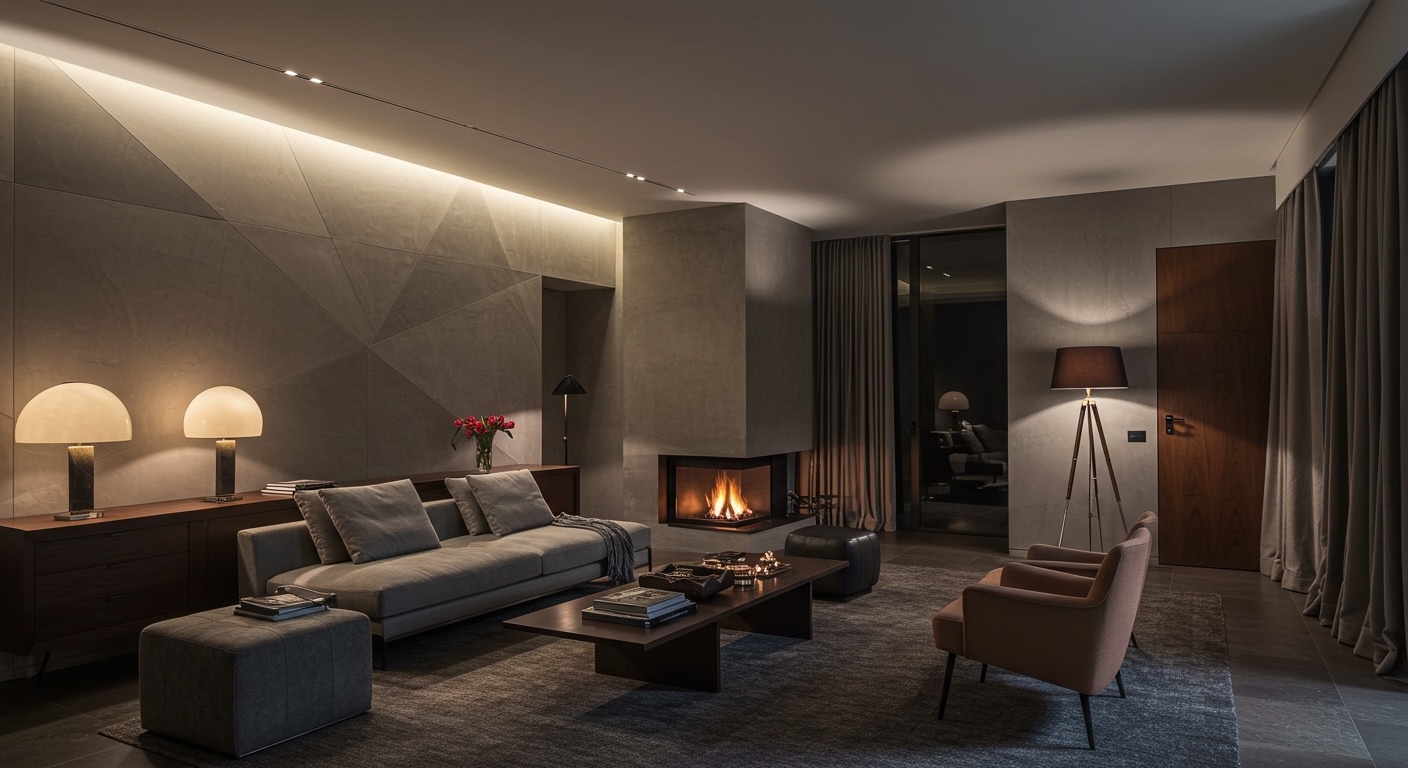
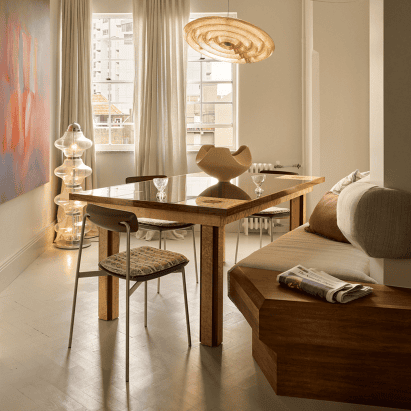
The Gentleman apartment in Sydney, designed by YSG, demonstrates a deliberate reinstatement of chamfered surfaces, moving beyond flat planes.
These projects reveal a consistent design impulse toward intensified spatial experiences within carefully delineated envelopes. It is a calculated rejection of expansive, undifferentiated volumes, instead prioritizing a deeply textured relationship between human flow and surrounding surfaces. Each intervention, whether a small garden or a compact sauna, focuses on maximizing depth of perception through precise material selection and controlled transitions, rather than merely optimizing square footage.
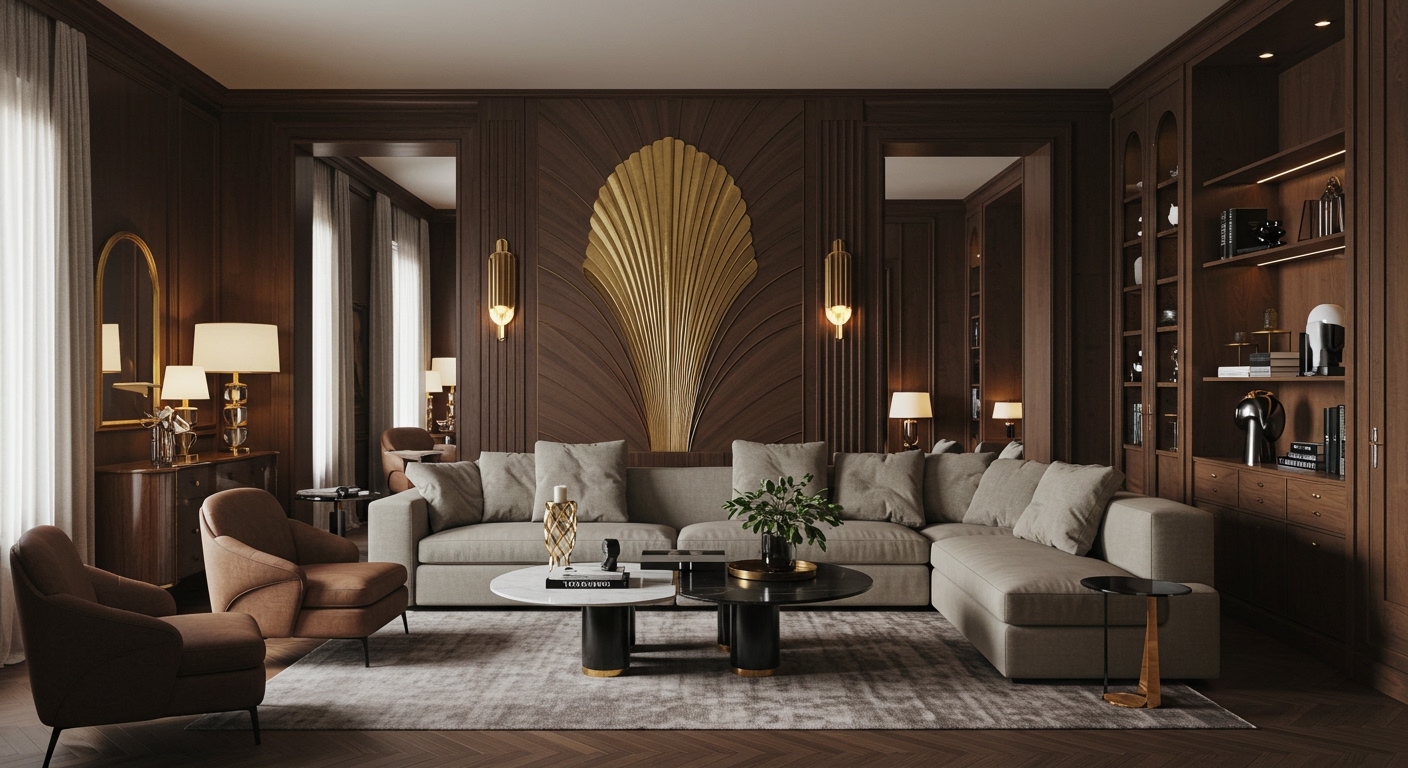
YSG’s work on The Gentleman is instructive. The 95-square-meter apartment in a 1929 Art Deco building embraces its historical context not as a decorative overlay but as structural guidance for its material palette. The studio’s use of warm hues and chamfered surfaces creates a nuanced interplay of light and shadow, defining zones without hard divisions. This approach counters the prevailing industry inclination towards open-concept layouts that prioritize visual breadth over sensory immersion. A common belief holds that luxury demands unencumbered sightlines and vast, light-filled spaces. However, YSG shows that true luxury can reside in a crafted intimacy, where every surface invites tactile engagement and every corner offers a moment of discovery. The density of carefully considered materials—from reinstated period features to contemporary applications—generates a richness that cannot be achieved through minimalist transparency.
This focus on deliberate enclosure and atmospheric density extends beyond residential. The “bento box” logic applied by BoND for the Saint sauna in Chelsea exemplifies a precise management of space for a heightened sensory outcome. The choice of “dark and enveloping” materials there directly supports an immersive, introspective experience. This firm conviction in the power of contained, specific atmospheres suggests that by late 2027, demand will noticeably increase for bespoke, single-function sensory environments, moving beyond the current trend of multi-purpose spaces that often dilute their impact. These new environments will prioritize the quality of the immediate spatial experience over flexible utility.
This trend for dense, multi-layered interiors is notably resisted by developers and clients who remain fixated on achieving the highest perceived square footage value, often translating into generic white box interiors. Their metric for “luxury” frequently aligns with maximum visual openness and neutral finishes, driven by perceived resale marketability rather than qualitative spatial depth. This creates a persistent tension for designers attempting to introduce specific material palettes and intricate spatial narratives.
Working interior professionals should immediately begin mapping client priorities not just by function, but by desired sensory state. This means moving beyond generic material boards to present tactile and auditory samples in situ, demonstrating how texture, temperature, and material junctions directly influence the emotional and physical experience of a space. Emphasize how specific material choices generate unique haptic qualities and direct human flow, rather than simply meeting aesthetic criteria.
TL;DR
Intensely crafted, materially rich, and spatially defined environments are reshaping luxury design.
Curated References


About this editorial — This piece was developed using AI-assisted research and curation across multiple industry sources. All analysis, opinions, and predictions represent the editorial perspective of JHDD. Sources are linked in the references section above.