JHDD Branding Report — 2026.07.11
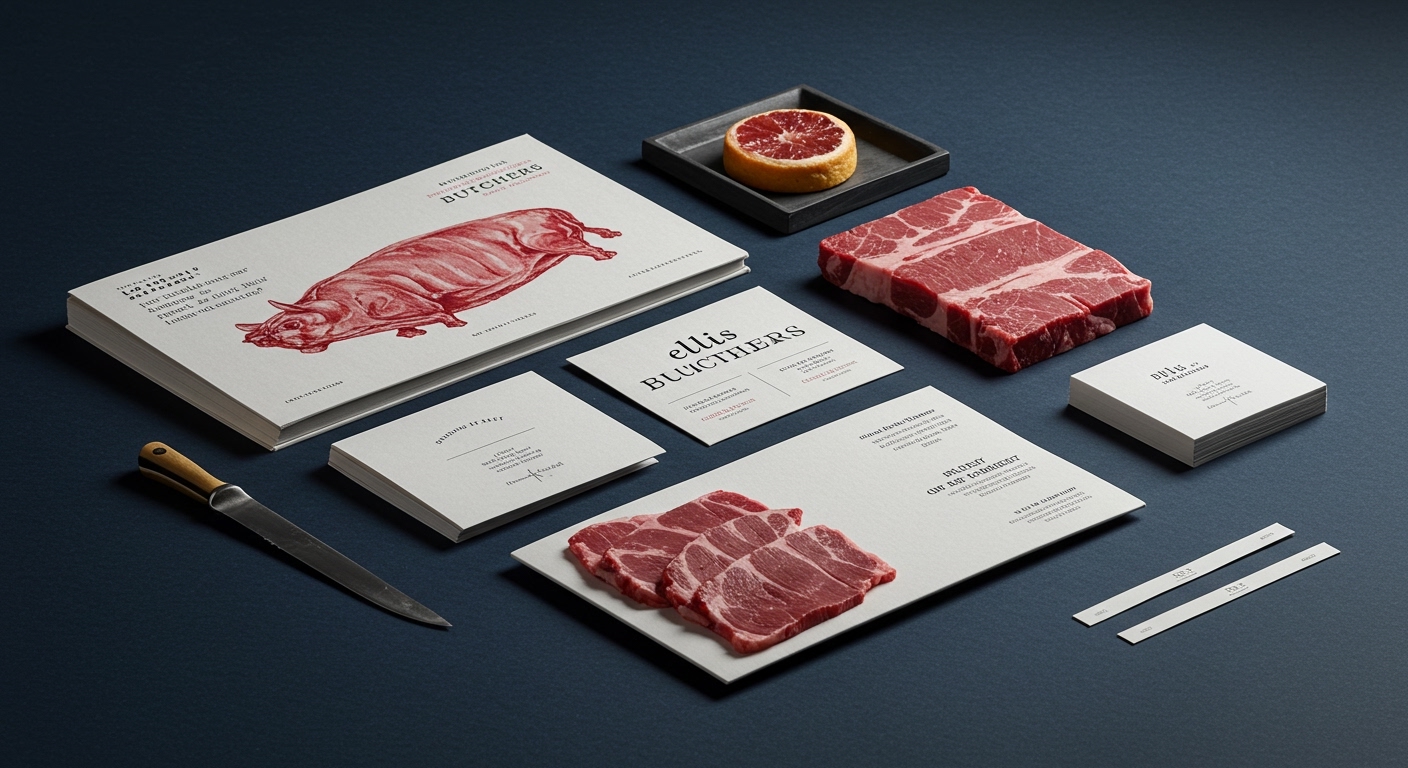
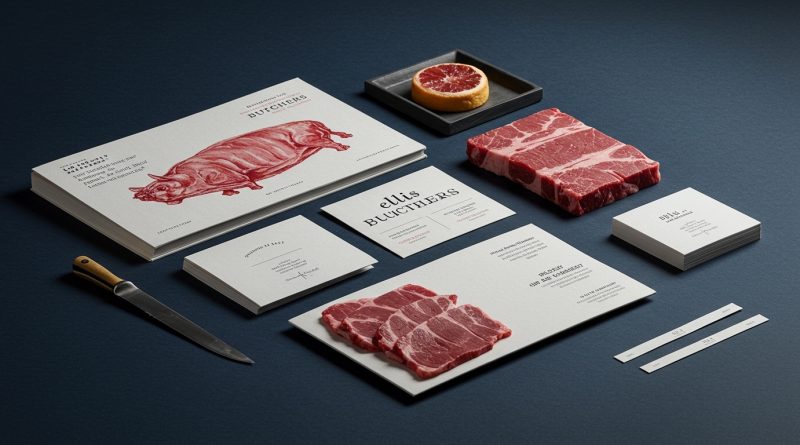
Studio Blackburn’s branding for Ellis Butchers embraces an unflinchingly carcass-centric visual identity, yet manages to evoke warmth.
This approach, mirrored across various recent projects from JKR’s Sporting CP rebrand to SMLXL’s Midnight Hotdog, reveals a distinct strategic pattern. Each instance demonstrates a deliberate move towards a direct, unvarnished presentation of a core identity, often by leveraging elements traditionally considered challenging or even unappealing. This consistent embrace of product reality or heritage, even when raw or idiosyncratic, suggests a commitment to building deeper brand equity through authenticity rather than through an idealized or sanitized projection.
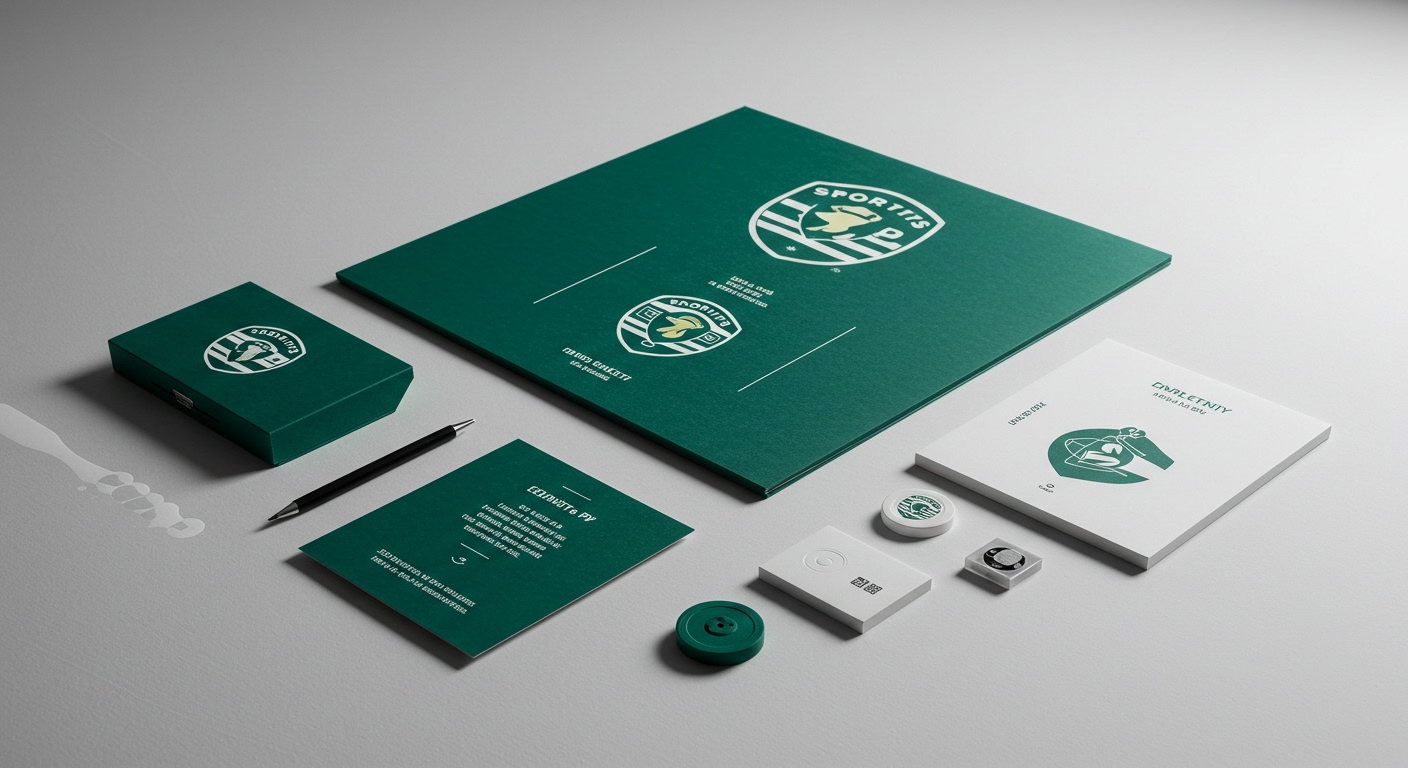
JKR’s work for Sporting CP exemplifies this strategic direction. The studio’s overhaul explicitly “plunders heritage” to construct a robust, contemporary brand identity, refusing to dilute the club’s distinctive history for broad market acceptance. This directly challenges the mainstream industry opinion that widespread appeal mandates a softening or universalization of unique brand traits. Sporting CP’s new identity, deeply rooted in its specific past, leverages a potent, even confrontational simplicity that strengthens its appeal by clearly articulating its essence. This targeted intensity cultivates a profound form of brand equity, deeply resonant with its core community and establishing a distinct market positioning in a crowded field. The market will increasingly reward brands that prioritize this form of authentic, unvarnished visual and verbal identity over polished, generalized aesthetics. By late 2027, this trend will lead to a noticeable decrease in corporate-sameness rebranding projects and a rise in commissions focused on reclaiming or intensifying unique brand traits.
The primary opposing force to this trend of distinct, unvarnished branding is the pervasive influence of risk aversion found in large corporate structures and the agency procurement departments serving them. These entities often default to “safe” visual identity systems designed to minimize potential offense or maximize broad appeal, inevitably leading to homogenized aesthetics across categories. Furthermore, algorithms designed to predict mainstream appeal can inadvertently push brands towards generic design solutions, stifling the kind of bold, specific choices seen in Studio Blackburn’s work for Ellis Butchers or the quirky joy of SMLXL’s HotDog identity.
Branding professionals should, this week, audit a current client brief or an internal project for instances where “broad appeal” or “marketability” has led to the dilution of a brand’s most unique, perhaps challenging, characteristics. Identify specific visual or verbal elements that were discarded for being “too niche” or “too aggressive.” Propose a strategic reintroduction of one such element, framing it as a move to strengthen brand equity through distinctiveness and deeper cultural resonance, rather than a retreat.
TL;DR
Brands are building stronger equity by embracing distinct, unvarnished truths rather than seeking universal appeal.
Curated References
About this editorial — This piece was developed using AI-assisted research and curation across multiple industry sources. All analysis, opinions, and predictions represent the editorial perspective of JHDD. Sources are linked in the references section above.