JHDD Web Design Report — 2026.07.10
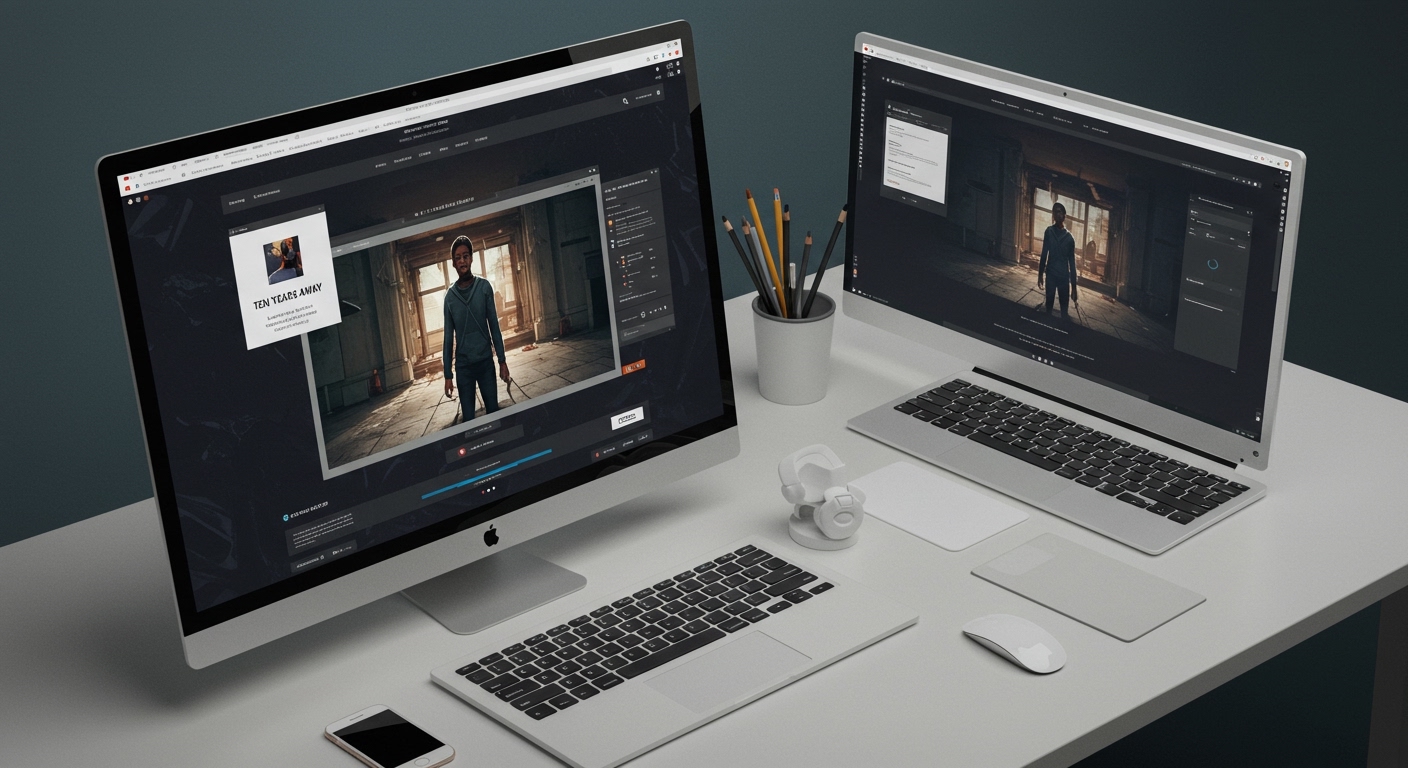
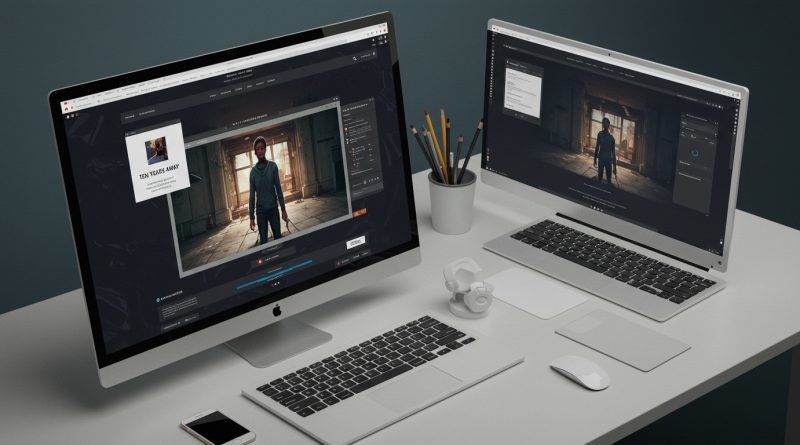
Studio375’s “Ten Years Away” interactive comic demonstrates a commitment to deeply integrated visual storytelling.
These disparate articles reveal a collective industry push towards experiences that defy standard component library limitations. The emphasis shifts from assembling pre-made elements to crafting bespoke interactive narratives, whether through complex 3D scenes or nuanced CSS shapes. This is not about adding flair; it concerns using advanced front-end capabilities to achieve specific communicative goals that were previously cumbersome or impossible with conventional approaches.
Studio375’s “Ten Years Away” interactive comic, specifically its WebGL implementation for a scroll-driven narrative, exemplifies a trend towards highly integrated design and development. This project shows that the most impactful web experiences are moving beyond the separation of content creation and technical execution, demanding a holistic understanding of how visual elements interact with code. The experience is not an animation; it is a meticulously choreographed sequence where layout, pacing, and visual style are dictated by a unified creative vision executed directly in the browser. The integration of 3D camera paths from Blender, as seen in the scroll-driven gallery example, further underscores this point: static assets are being transformed into dynamic, interactive environments directly manipulated by user input, creating unique opportunities for spatial storytelling and immersive product showcases.
Mainstream industry opinion often champions speed and efficiency through reusable component systems and atomic design principles, suggesting that custom, highly specific interfaces like Studio375’s are exceptions or luxuries. This view is shortsighted, especially when considering the subtle yet profound impact of bespoke web typography and intricate layouts. While component libraries offer undeniable productivity benefits for common UI patterns, they frequently lead to visual homogeneity and can stifle truly innovative layout and interaction that articulate a distinct brand voice. The industry’s obsession with generic “design systems” too often overlooks the power of unique digital craftsmanship and the expressive potential that emerges from a deep engagement with front-end technologies like advanced CSS features or WebGL. The challenge involves understanding when a project’s goals, particularly for brand-defining moments or complex narrative structures, demand a higher level of custom integration and performance optimization for a truly memorable user experience, rather than defaulting to system limitations.
This trend toward deeply customized, integrated experiences suggests a fundamental shift in required skill sets for front-end craftspeople. Performance considerations, often overlooked in complex 3D scenes, become paramount, requiring developers to understand render pipelines and optimization techniques intimately. By mid-2027, the demand for front-end developers with strong 3D rendering skills (e.g., Three.js, WebGL) and advanced CSS layout expertise (leveraging properties like border-shape for nuanced visual forms) will significantly outpace those specializing solely in conventional, framework-driven component assembly. Agencies and in-house teams that prioritize the ability to build sophisticated, performant custom interactions, where typography, motion, and layout are intrinsically linked to code, will gain a distinct competitive edge in attracting premium clients and delivering truly differentiated digital products.
The most significant opposing force to this artisanal front-end movement is the prevailing pressure for rapid development and cost efficiency. Business models often prioritize quantity of output over depth of craft, pushing teams towards the fastest possible deployment using off-the-shelf solutions and minimal custom code. This focus on “time-to-market” can devalue the intricate, time-consuming work required for truly unique web experiences, fostering environments where advanced front-end skills are seen as overhead rather than essential differentiators.
Web design professionals should dedicate time this week to experiment with advanced CSS layout and shaping features, such as the border-shape property, or explore basic 3D scene creation with Three.js, without immediately tying it to a client project. Understanding the raw capabilities of these tools, independent of framework abstractions, will build a foundation for recognizing opportunities to apply bespoke craft rather than defaulting to generic solutions.
TL;DR
The web’s most impactful experiences now demand deep integration of bespoke front-end craft over generic component assembly.
Curated References
About this editorial — This piece was developed using AI-assisted research and curation across multiple industry sources. All analysis, opinions, and predictions represent the editorial perspective of JHDD. Sources are linked in the references section above.