JHDD Packaging Report — 2026.07.11
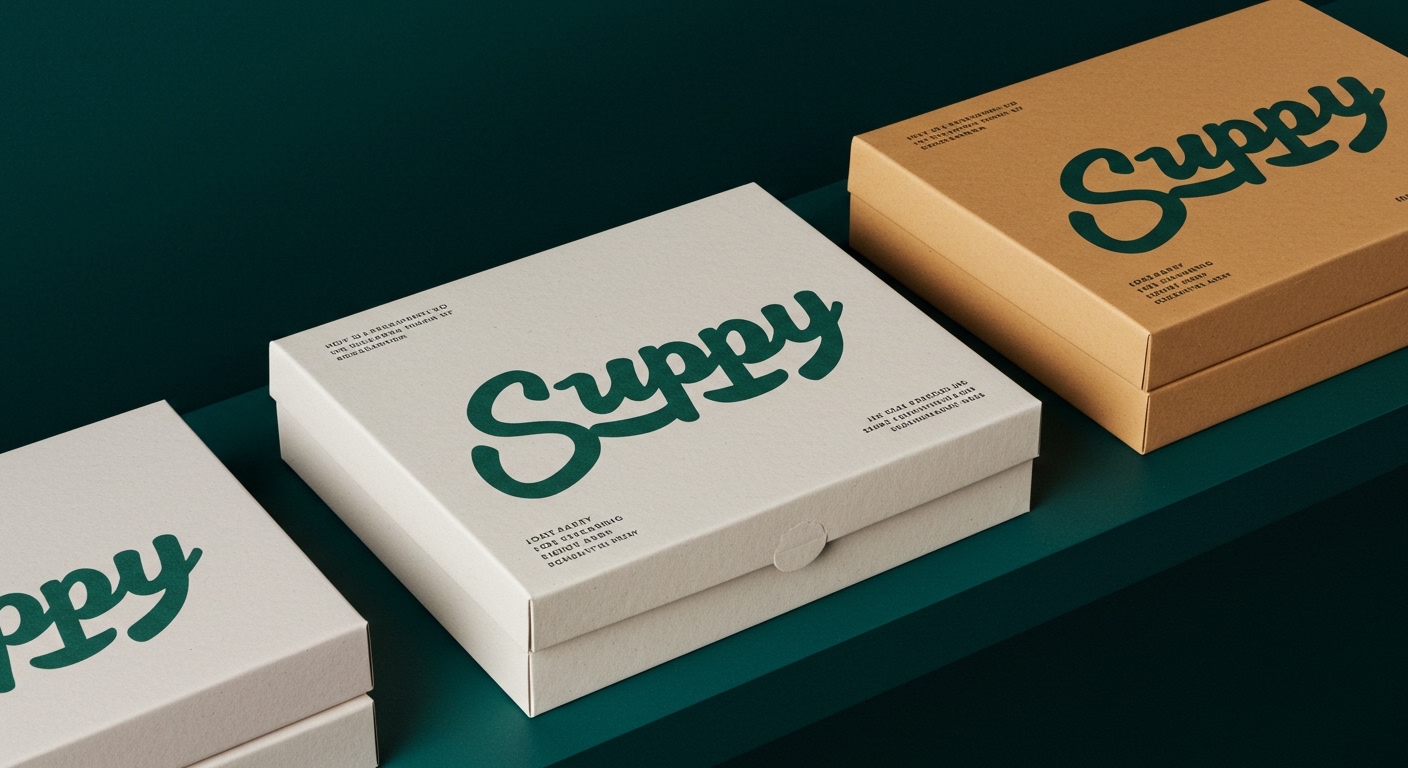
Joy Supply’s packaging, designed by Jake Nicolella, features a squiggly hand drawn wordmark that immediately communicates a playful, approachable sensibility.
This approach highlights a subtle but crucial shift in packaging design: an increasing emphasis on authentic brand expression and tactile engagement, even as the complexities of material circularity demand more rigorous, behind-the-scenes innovation. While articles frequently address sustainability, the pattern here suggests a decoupling of overt “green” signaling from the actual mechanisms of circularity and a greater embrace of brand personality as a primary driver of consumer connection, especially on shelf and during the unboxing experience.
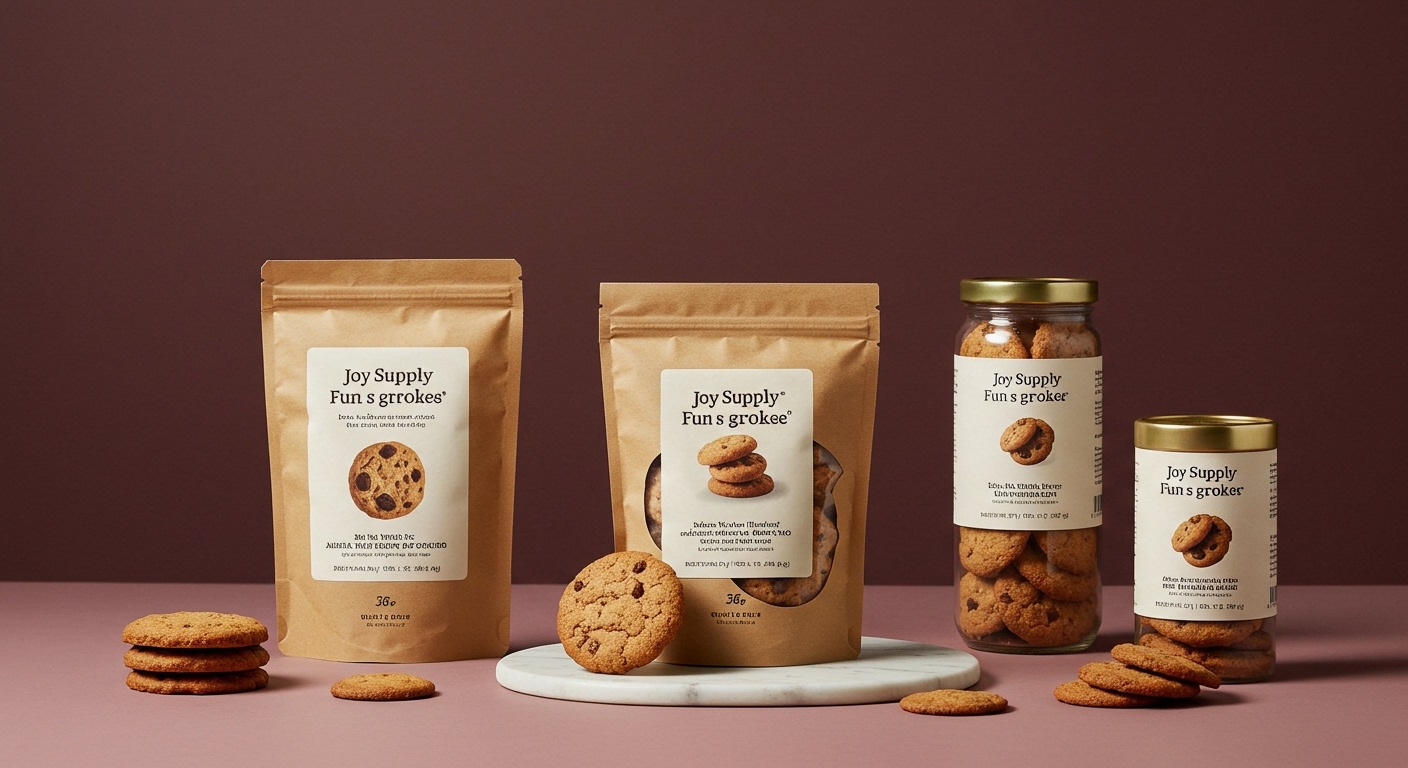
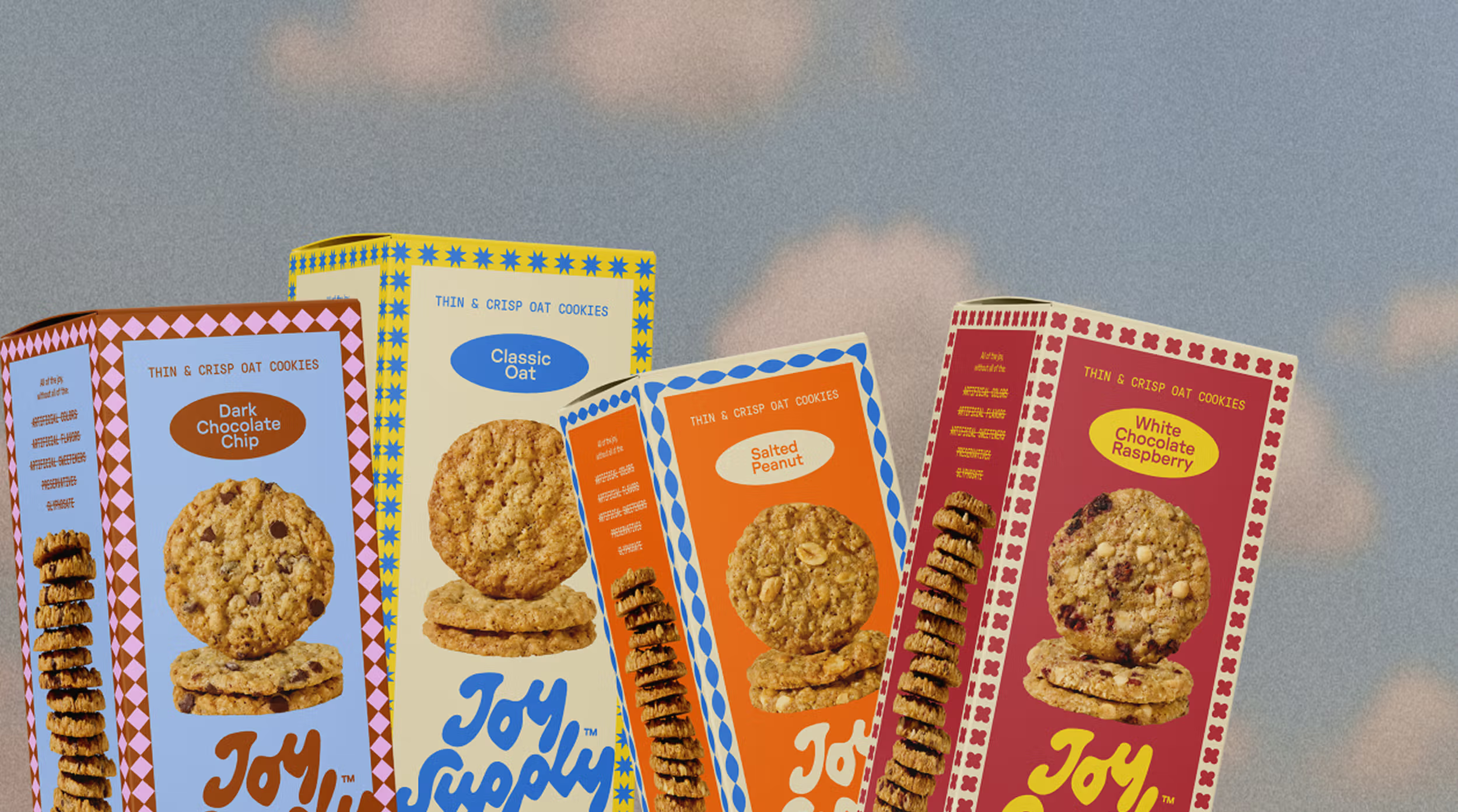
Mainstream industry opinion often dictates that “better-for-you” or environmentally conscious brands must lean into a natural, muted aesthetic to signal their values. Joy Supply directly contradicts this by leveraging “vintage inspired borders” and “flavor coded color palettes” to create playful boxes that invite display, effectively prioritizing emotional resonance and counter appeal over explicit health cues. The actual sustainability of a product’s packaging increasingly resides in its structural integrity and end-of-life viability, rather than in its surface-level graphic design. This allows brands like Funner, with M/M Paris’s use of “playground primaries” for haircare, to fully embrace vibrant, distinct brand identities without compromising their underlying commitment to responsible design.
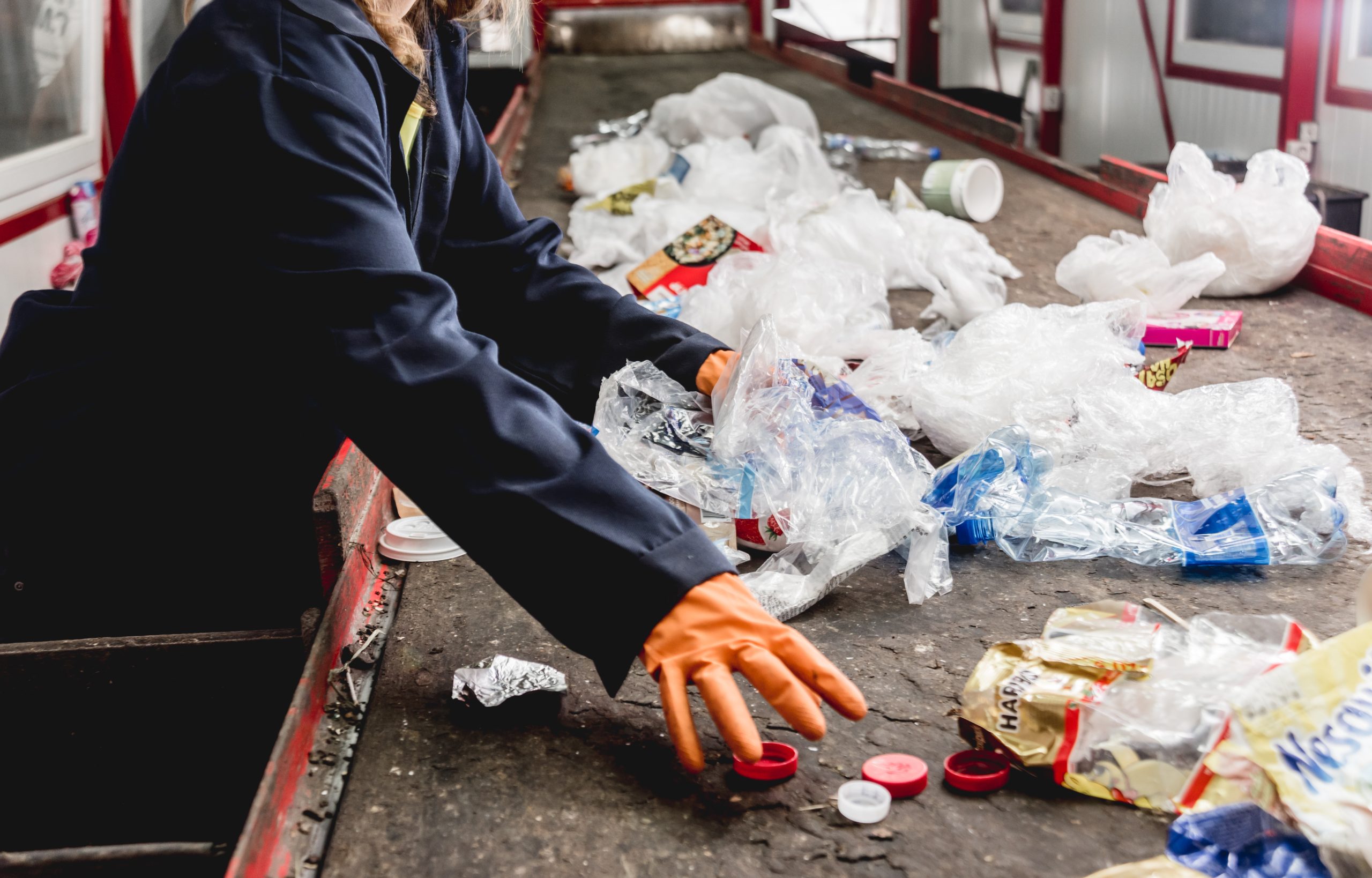
The InFact project, a 16-partner initiative running through 2028 to create a circular system for flexible plastic packaging, exemplifies where true material sustainability is being forged. It is an industrial, systemic challenge, far removed from consumer-facing messaging. This divergence implies that by mid-2027, more brands will consciously move their consumer-facing packaging narratives away from generic, often vague, sustainability claims. Instead, they will invest more heavily in distinct brand personality and tactile richness, while simultaneously committing to deeper material innovation and partnerships within circular infrastructure, separating the brand story from the fundamental material truth.
The primary opposing force to this intelligent separation is the lingering industry comfort with established visual tropes for “eco-friendly” design. Brand managers and marketers often default to familiar green hues and rustic textures, fearing that a departure might confuse consumers or dilute their environmental message. This ingrained aesthetic language, while sometimes well-intentioned, can inadvertently hinder innovation in both brand expression and genuine material circularity by misdirecting focus from systemic change to superficial signaling.
A packaging professional should, this week, mandate that all new projects incorporate a rigorous lifecycle assessment and material circularity plan from the initial concept phase, entirely independent of the aesthetic brief. This means engaging deeply with material science specialists and recycling infrastructure partners, such as those involved in InFact, before any graphic design elements are considered. The design brief for consumer-facing packaging can then focus purely on shelf impact, unboxing experience, and tactile branding to build emotional connection, knowing that the product’s true environmental footprint is being addressed through fundamental structural and material choices.
TL;DR
Effective packaging separates authentic brand expression from industrial-scale material circularity efforts.
Curated References

About this editorial — This piece was developed using AI-assisted research and curation across multiple industry sources. All analysis, opinions, and predictions represent the editorial perspective of JHDD. Sources are linked in the references section above.