JHDD Web Design Report — 2026.07.09
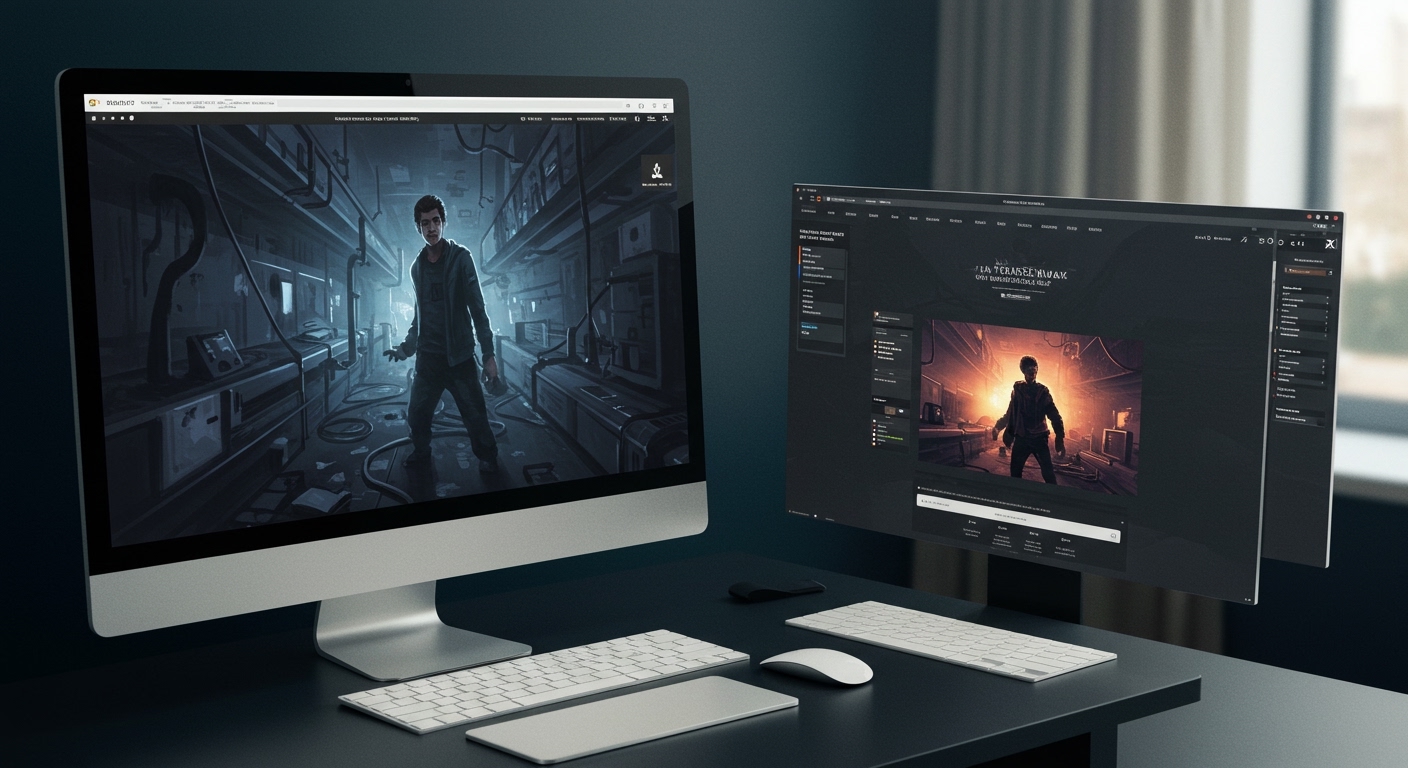
Studio375’s “Ten Years Away” interactive comic demonstrates a commitment to immersive digital storytelling through WebGL. This project, along with others deploying complex 3D visuals and scroll-driven mechanics, signifies a subtle but persistent shift: a move toward deeply crafted, bespoke web experiences that prioritize unique engagement over generic efficiency.
The pattern connecting these distinct stories is an expanding appetite for sophisticated front-end craft. Whether it is a scroll-driven 3D gallery built with Blender and Three.js, the intricate digital character of Stefanos Tsitsipas developed through photogrammetry and WebGL optimization, or the anticipation surrounding advanced CSS properties like border-shape, the emphasis is on visual richness and interactive depth. This contrasts with a widespread industry narrative that often frames technical complexity as an inherent enemy of performance or accessibility, pushing for streamlined, often visually conservative, web presences.
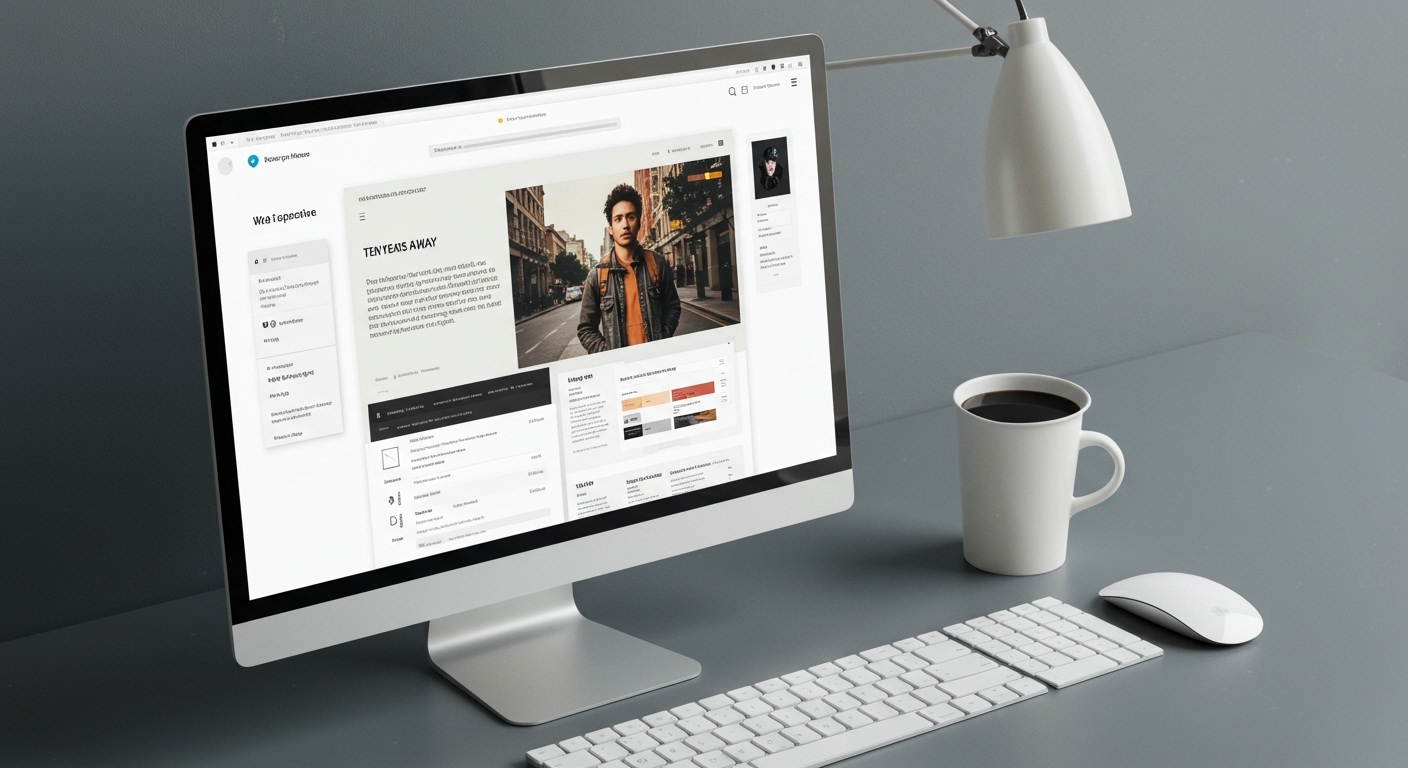
The work by Studio375 with “Ten Years Away” serves as a prime example. Moving a print comic to a WebGL-powered interactive format is not a choice made for raw page load speed; it is made for narrative impact and a unique user journey. Mainstream industry opinion frequently champions minimalism and lowest-common-denominator approaches, arguing that intricate animations or 3D environments are performance drains that alienate users or harm SEO. This perspective often mischaracterizes “performance” as solely about initial page load metrics, neglecting the performance of engagement and memorability. A site that takes slightly longer to load but delivers an unforgettable, meaningful interaction can be more “performant” in achieving its overall objective than one that loads instantly but is indistinguishable from hundreds of others. Investing in the craft of WebGL and detailed 3D assets, when executed thoughtfully for a specific purpose, elevates the digital experience far beyond what a purely “optimized-for-speed” flat page can offer. This pursuit of crafted distinction will only intensify; by mid-2027, a significant portion of high-profile brand and editorial sites will feature sophisticated 3D or advanced CSS animations as core interactive elements, moving beyond mere decorative flourishes to fundamental communication tools.
The primary opposing force to this resurgence of crafted web experiences is the relentless pressure for generalized “fast” web performance, often codified by simplified benchmarks and SEO algorithms. Tools like the Next.js + Sanity starter kit, while invaluable for accelerating development and providing a solid foundation, can, if not applied with a conscious design hand, lead to an unintentional homogenization of web aesthetics. The focus on abstract metrics can inadvertently de-incentivize the unique visual and interactive solutions that truly differentiate a digital presence.
A working web design professional should dedicate time this week to experiment with the CSS border-shape property, moving beyond theoretical understanding to practical application. Prototype a content block or a navigation element that intentionally breaks from the traditional rectangular box model, exploring how text reflows around custom shapes and how these new primitives can influence overall layout decisions.
TL;DR
The drive for engaging, unique web experiences through advanced front-end craft is challenging the industry’s singular focus on abstract speed metrics.
Curated References
About this editorial — This piece was developed using AI-assisted research and curation across multiple industry sources. All analysis, opinions, and predictions represent the editorial perspective of JHDD. Sources are linked in the references section above.