JHDD Branding Report — 2026.07.10
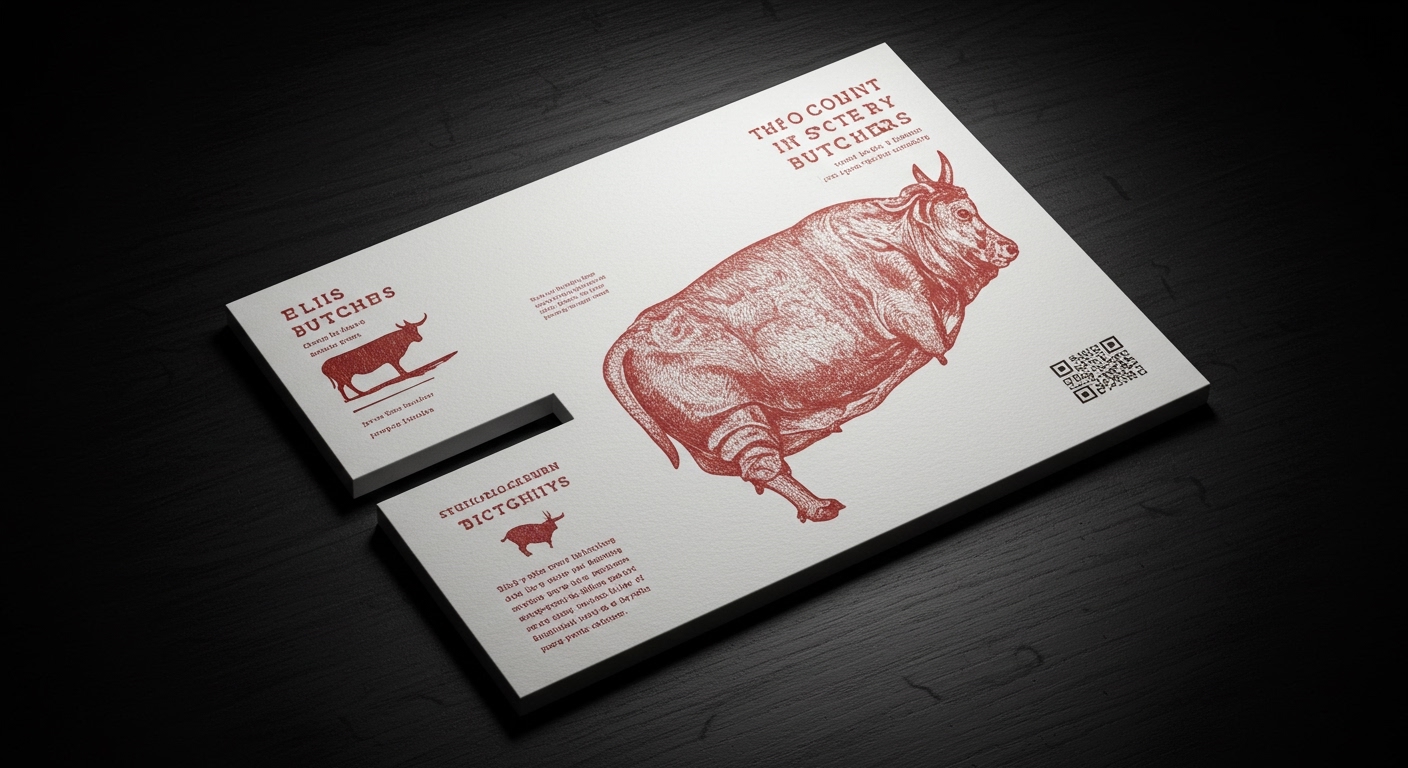
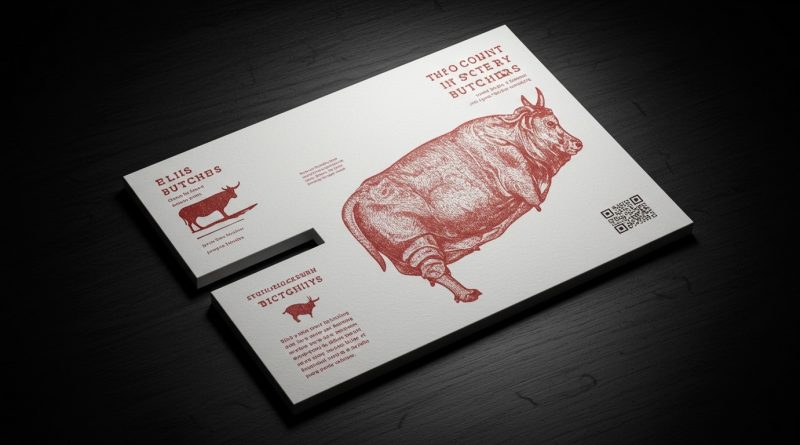
Studio Blackburn’s branding for Ellis Butchers is unflinchingly carcass-centric, yet manages to evoke warmth.
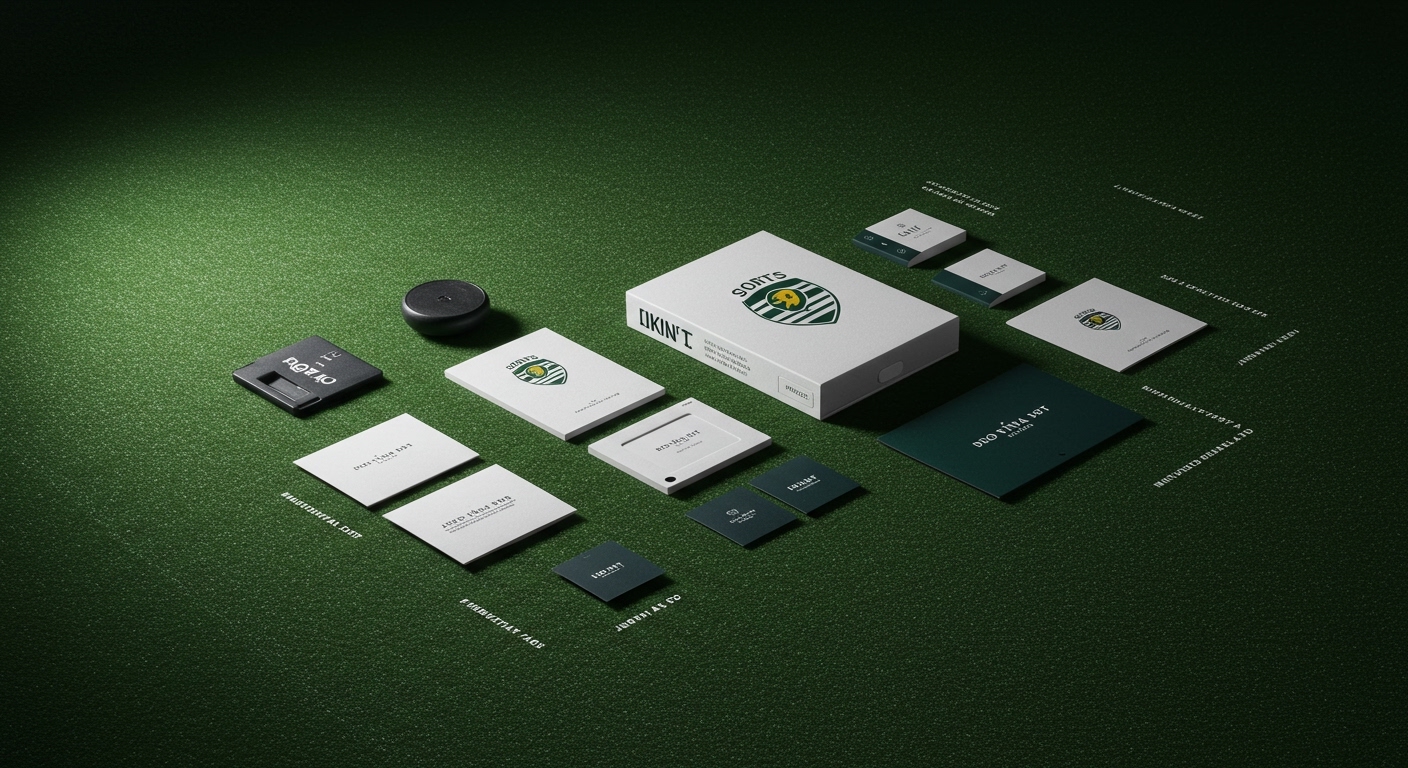
This directness, seen across recent projects, signals a shift in how brand equity is being built. From the playful crudeness of Midnight Hotdog’s logo featuring dogs sniffing each other, to JKR’s meticulous “plundering heritage” for Sporting CP’s robust new identity, brands are leaning into their most specific and sometimes unconventional truths. Even LG2’s subtle persuasion for Health Hut suggests a nuanced, less overt approach than traditional mass marketing. This is not about broad appeal through homogenization; it is about cultivating distinct cultural signals through unapologetic particularity.
SMLXL’s work for Midnight Hotdog’s ‘dog fur mist’ provides a clear example of this new calculus in brand equity. The decision to use a logo depicting two dogs, one sniffing the other’s posterior, pointedly eschews traditional notions of ‘clean’ or universally appealing pet product branding. Instead, it embraces the unvarnished reality and humor inherent in pet ownership, establishing a distinct visual identity system that resonates deeply with a specific, engaged audience. This approach directly challenges the conventional wisdom that brands must smooth over potentially “messy” or niche details to achieve widespread acceptance and market positioning.
Mainstream brand strategy often prioritizes a sanitized, universally palatable positioning, fearing that specificity might alienate potential customers. However, this pursuit of broad appeal frequently dilutes brand equity, making genuine differentiation in a crowded market extremely difficult. The true strength of these emerging brands lies in their refusal to compromise on their unique character or origin. By leaning into elements like Studio Blackburn’s raw depiction for Ellis Butchers, or SMLXL’s playful irreverence for Midnight Hotdog, these brands forge stronger, more memorable cultural signals. This directness attracts consumers who value authenticity and unique identity over generic polish. This shift is not merely about aesthetic preference; it directly impacts market positioning by carving out loyal segments. By late 2027, brands that successfully integrate traditionally “unflattering” or highly specific aspects of their product or heritage into their core visual identity will demonstrate measurably higher brand loyalty and advocacy than those that attempt to mask these truths. Their distinctiveness will prove to be a more valuable asset than attempts at universal blandness.
The primary opposing force remains the internal corporate desire for consensus and scale. Risk-averse marketing departments and legal teams, often guided by broad demographic data, frequently push for generic visuals and narratives designed to offend no one and appeal to everyone. This pressure often smooths away the sharp edges of a brand’s unique identity, favoring bland familiarity over disruptive distinctiveness, effectively neutralizing genuine cultural signals for the sake of market ubiquity.
Branding professionals should spend this week identifying the single most specific, idiosyncratic, or even slightly uncomfortable truth about their client’s product or heritage. Develop a clear strategy for how to amplify this element within the visual identity system, rather than mitigating it. Prioritize expressing this truth over achieving universal approval, focusing on how it will resonate deeply with a core audience, not just broadly with a mass market.
TL;DR
Brands build stronger equity by amplifying their specific, sometimes raw, truths rather than sanitizing them for mass appeal.
Curated References
About this editorial — This piece was developed using AI-assisted research and curation across multiple industry sources. All analysis, opinions, and predictions represent the editorial perspective of JHDD. Sources are linked in the references section above.