JHDD Architecture Report — 2026.07.09
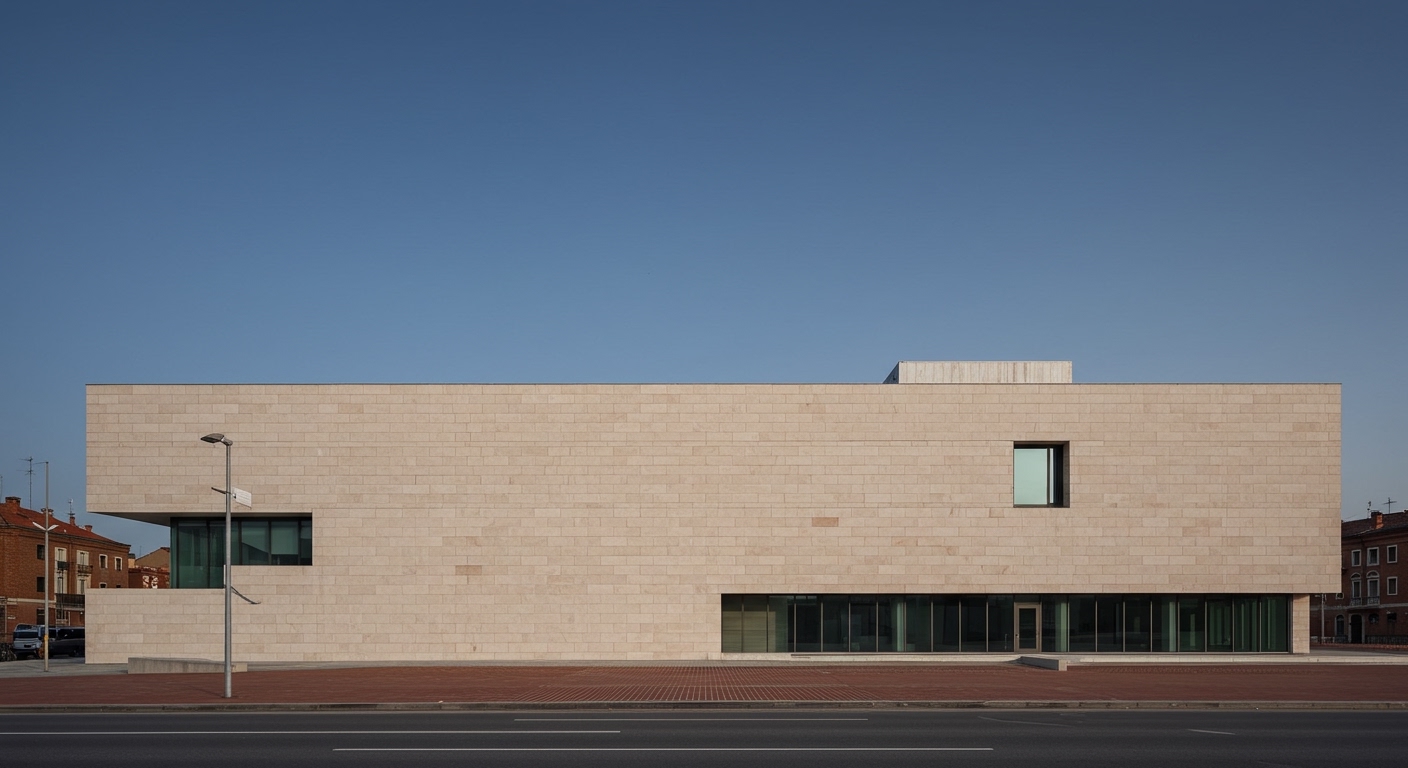
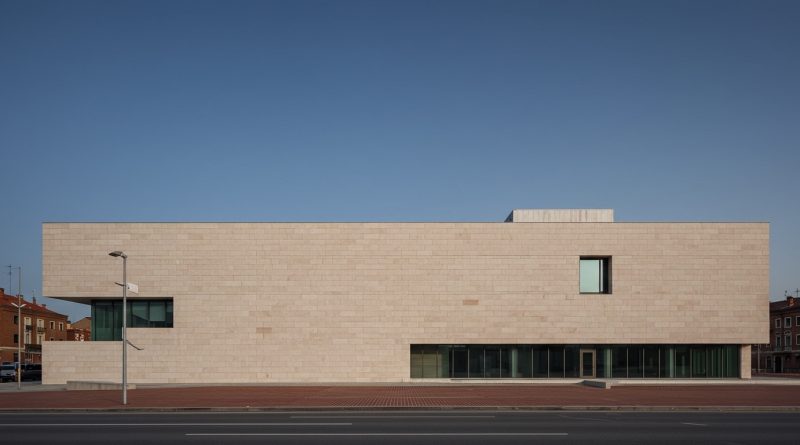
David Chipperfield Architects’ transformation of the Pereda Building into Faro Santander museum in Spain exemplifies a broader, often misunderstood trend in contemporary architectural practice.
This trend connects the re-appropriation of a 1950s PH house by Estudio Futuro with the contextual sensitivity of Amonti Chalets by Architekt Andreas Gruber. It extends to the community-focused proposals from Florence Institute of Design International. These distinct projects reveal an evolving professional preoccupation: not merely building anew, but strategically intervening within existing material and social frameworks. Each case demonstrates a deliberate engagement with what is already present, whether a structure, a local typology, or a community’s unmet need.
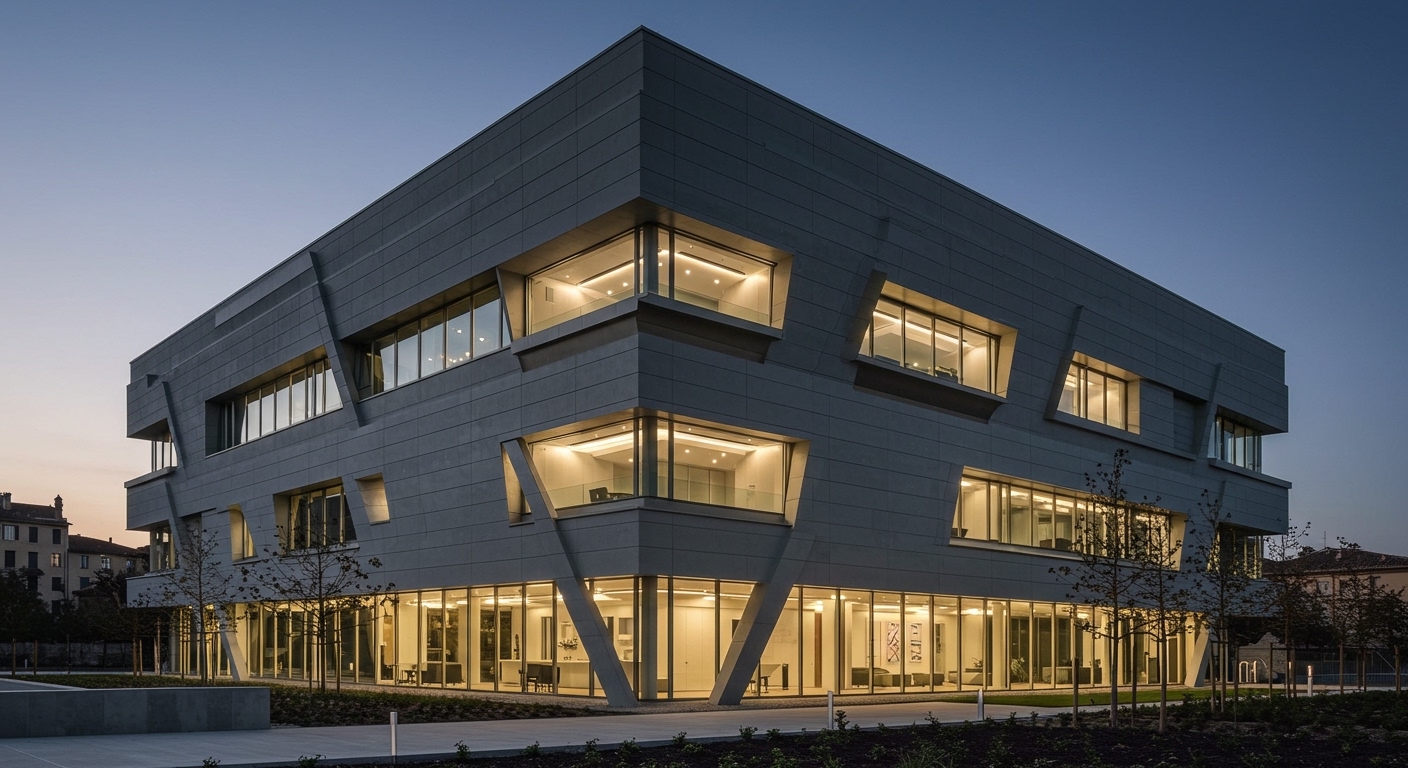
Consider Architekt Andreas Gruber’s Amonti Chalets in the Ahrntal Valley. The project is lauded for blending traditional alpine craftsmanship with modern, sustainable design, arranged like a historic mountain hamlet. Mainstream industry perspectives often celebrate such projects as paragons of contextual sensitivity and sustainable tourism. However, this approach risks superficiality. The creation of “23 exclusive chalet apartments” that mimic a historic hamlet, despite leveraging natural contours, can be viewed as an aesthetic appropriation rather than a deep, organic integration with the existing rural ecology or genuine community-led development. The “exclusive” aspect often translates into a landscape consumed visually, rather than structurally or socially integrated into the region’s productive life.
Architects must look beyond surface aesthetics and question the true impact of such mimicry on rural land use and the local material economy. The real challenge lies in designing for authentic regional identity without resorting to pastiche or commodifying scarcity. By late 2027, the market will increasingly demand proof of genuine local material sourcing and transparent socio-economic benefit for surrounding communities from such “sustainable” tourism developments, moving past merely aesthetic integration claims. This will necessitate a deeper engagement with supply chains and community stakeholders than currently practiced.
This nuanced approach is consistently challenged by the prevailing force of speculative real estate development. Developers often prioritize speed of construction, standardized material palettes, and market appeal defined by novelty or perceived exclusivity over the slow, complex work of material deconstruction, structural analysis for reuse, or deep social integration. The drive for maximum profit margins per square meter discourages the labor-intensive processes inherent in truly responsible urban and rural interventions.
Architecture professionals should, as standard practice, initiate projects by conducting a comprehensive material audit of the immediate site and surrounding block, specifically identifying elements for potential deconstruction and reuse, or local material supply chains, before any new material specification. This goes beyond existing building surveys to include a detailed assessment of embodied energy and potential for circularity in the existing context.
TL;DR
Strategic intervention within existing structures and contexts offers more lasting value than purely new construction.
Curated References



About this editorial — This piece was developed using AI-assisted research and curation across multiple industry sources. All analysis, opinions, and predictions represent the editorial perspective of JHDD. Sources are linked in the references section above.