JHDD Interior Report — 2026.07.09
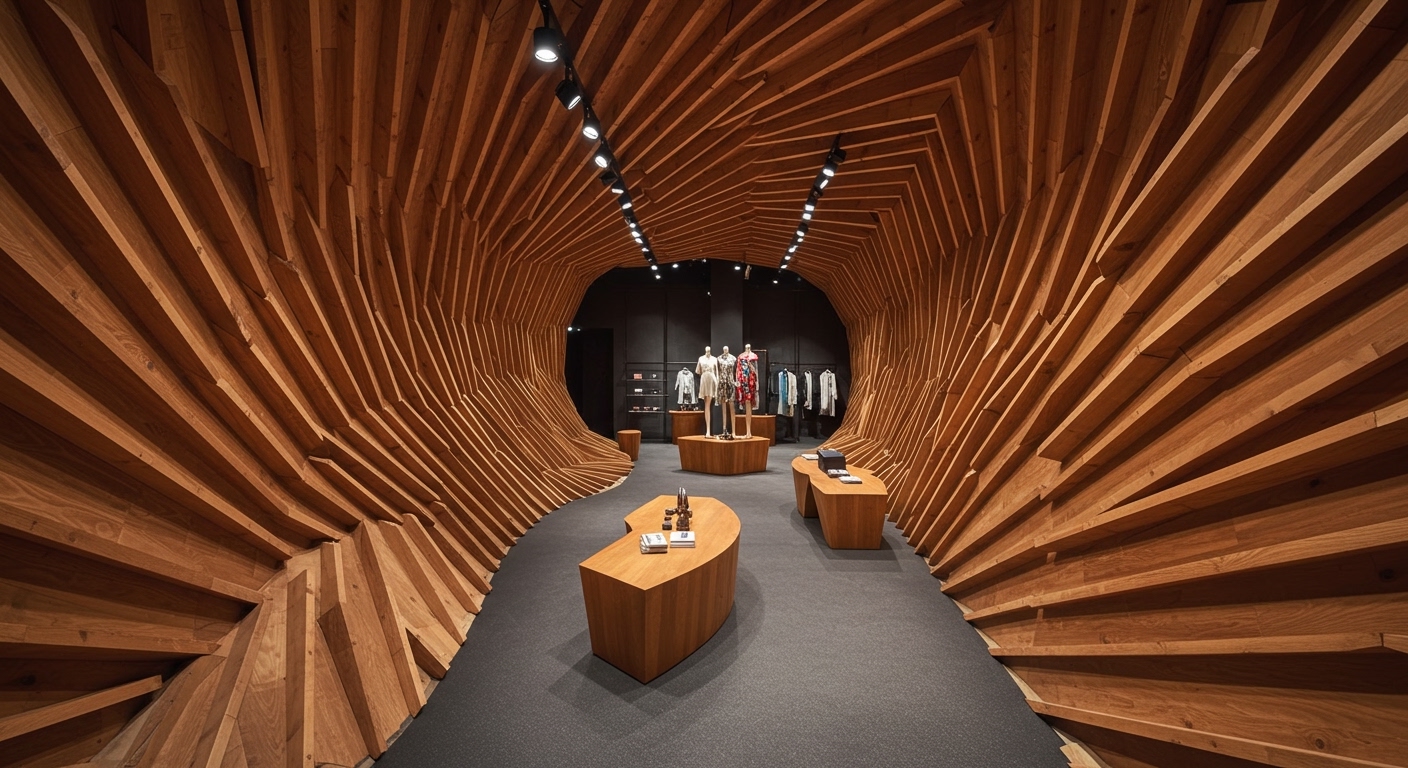
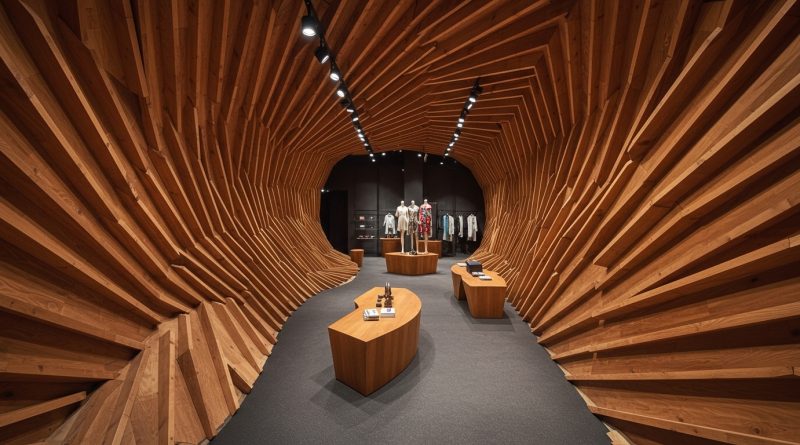
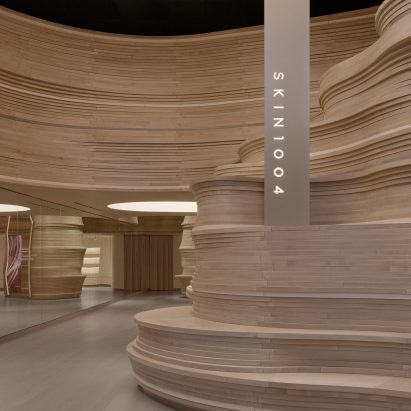
LMTLS Architecture’s wooden “gorge” for the SKIN1004 Soho flagship immediately establishes a directed, almost visceral, spatial narrative.
These recent projects signal a concerted move away from broadly adaptable, neutral interiors towards highly specific, deeply characterized environments. Designers are increasingly using distinctive material palettes and singular spatial gestures to sculpt intimate experiences, imbuing commercial and public spaces with the kind of unique personality typically reserved for private residences. This shift prioritizes a profound sense of place and emotional texture, often at the expense of conventional notions of spaciousness or functional versatility.
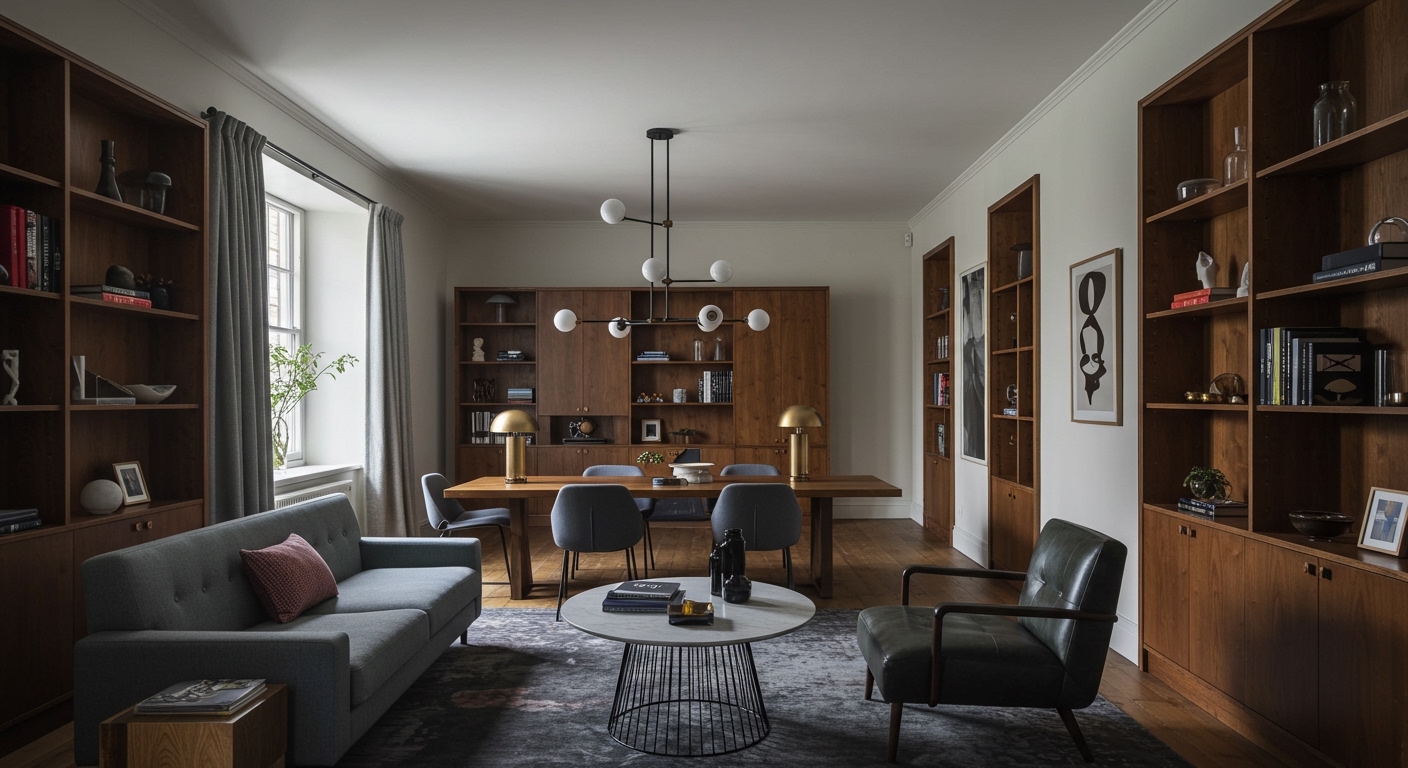
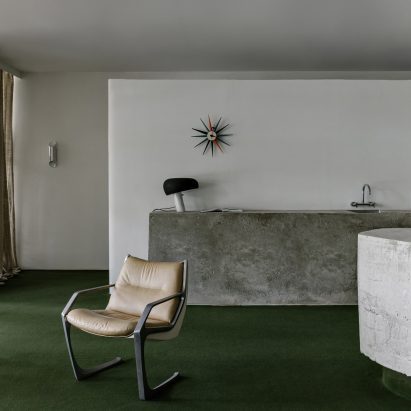
Interior designer Jasmine Fisher’s transformation of her own London office exemplifies this trend. The 32-square-metre rented space was given a moody material palette and warm colours, creating a homely, layered atmosphere. Mainstream industry advice for small, rented commercial units typically advocates for a neutral, visually expansive aesthetic to maximize perceived size and future leasing flexibility. Fisher’s deliberate choice to imbue a temporary space with such strong character directly contradicts this, asserting a distinct studio identity through deeply personal touches. This approach suggests a growing demand for spaces that immediately declare their purpose and personality, rather than remaining anodyne canvases. This emphasis on immediate, undeniable character will become a non-negotiable expectation for even short-term commercial leases by mid-2028.
The ambition behind these projects extends beyond mere aesthetics, deeply influencing spatial tension and human flow. Open Studio’s “gigantic fibreglass dumpling” lamp for Dumpling Darlings in Singapore is not a subtle accent; it is a commanding focal point that anchors the entire izakaya-style restaurant, immediately communicating its identity and directing the visitor’s experience. This specific, almost narrative-driven materiality challenges the prevailing industry preference for flexible, understated lighting and decor that aims for broad appeal. Similarly, Keiji Ashizawa’s Tomi Ginza hotel, where each of its eight floors houses a single suite designed to evoke “staying at the home of a tasteful friend,” prioritizes an intensely personal and unrepeatable tactile experience over the standardized brand consistency often sought in hospitality. Each decision here builds a specific journey, emphasizing sensory detail and curated intimacy.
The primary resistance to this trajectory originates from commercial real estate developers and landlords. Their business model often hinges on maximizing market appeal and minimizing fit-out costs for diverse future tenants. They prefer bland, adaptable “white box” spaces and modular systems, viewing highly specific material palettes or strong narrative interventions as limiting niches that could deter a wide range of prospective occupants and potentially complicate future re-leases. This tension between personalized design and generalized marketability remains a significant hurdle.
A working interior professional should, this week, select a current project and identify one single, highly specific material or spatial gesture that, if implemented, would unequivocally define the space’s core narrative and tactile experience, even if it introduces a deliberate friction or constraint. Prioritize this impactful intervention over a series of broadly appealing, yet less distinctive, design elements.
TL;DR
Intensely characterized spaces, built through specific materiality and narrative, are becoming the benchmark for luxury experience.
Curated References

About this editorial — This piece was developed using AI-assisted research and curation across multiple industry sources. All analysis, opinions, and predictions represent the editorial perspective of JHDD. Sources are linked in the references section above.