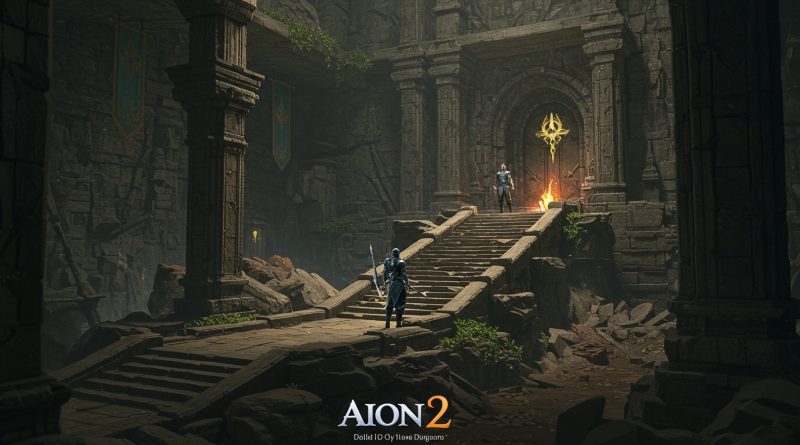
JHDD 3D Modeling Report — 2026.07.05
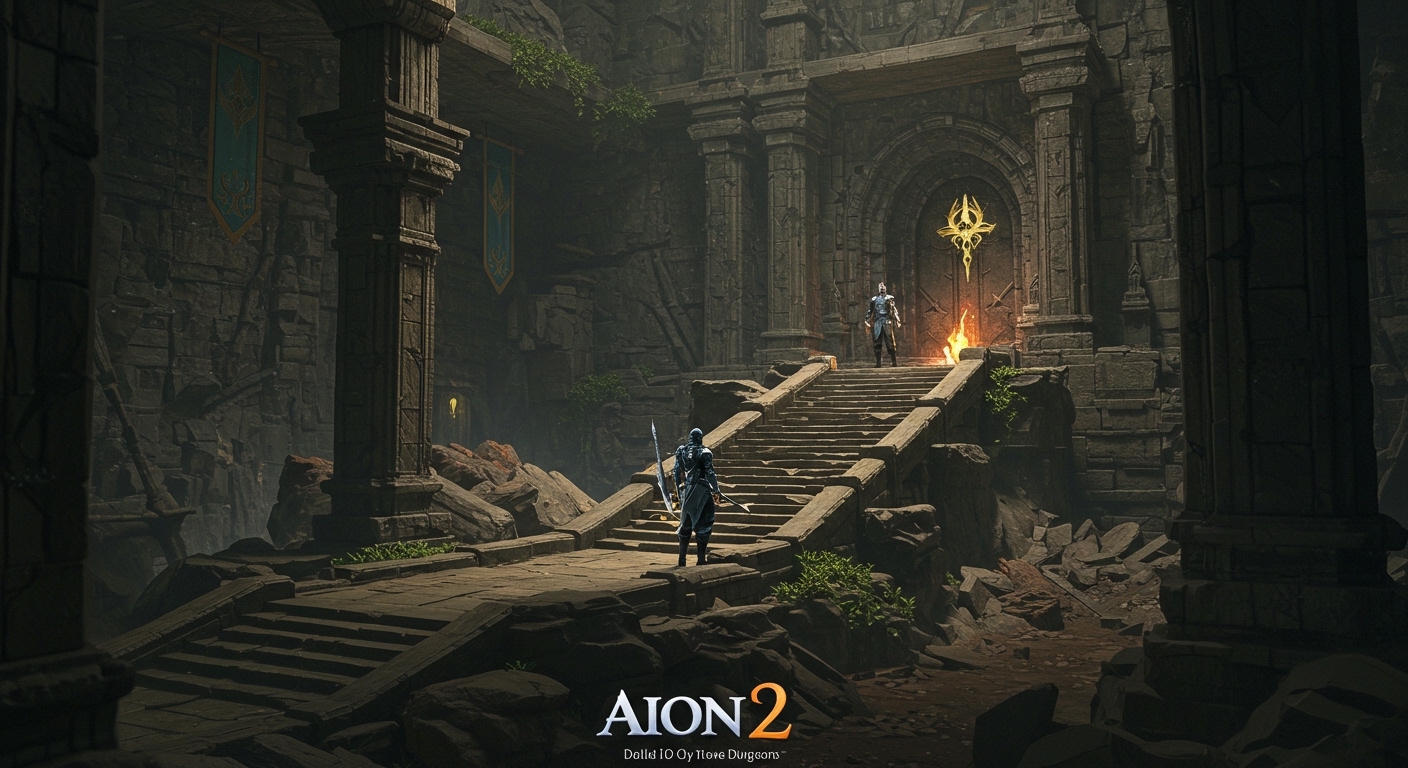
AION 2’s impending global launch in September prominently features over 200 distinct dungeons.
The recent coverage, from a Godot tutorial detailing 3D dungeon crawler creation to the impressive scale promised by NC for AION 2, points to a clear pattern: digital content pipelines are simultaneously pushing for unprecedented scale in virtual spaces and demanding higher fidelity, whether hyper-realistic or intentionally stylized. This trend reveals an accelerating integration of generative tools and sophisticated lighting dynamics as fundamental to meeting these combined demands, moving beyond the traditional reliance on purely bespoke asset creation.
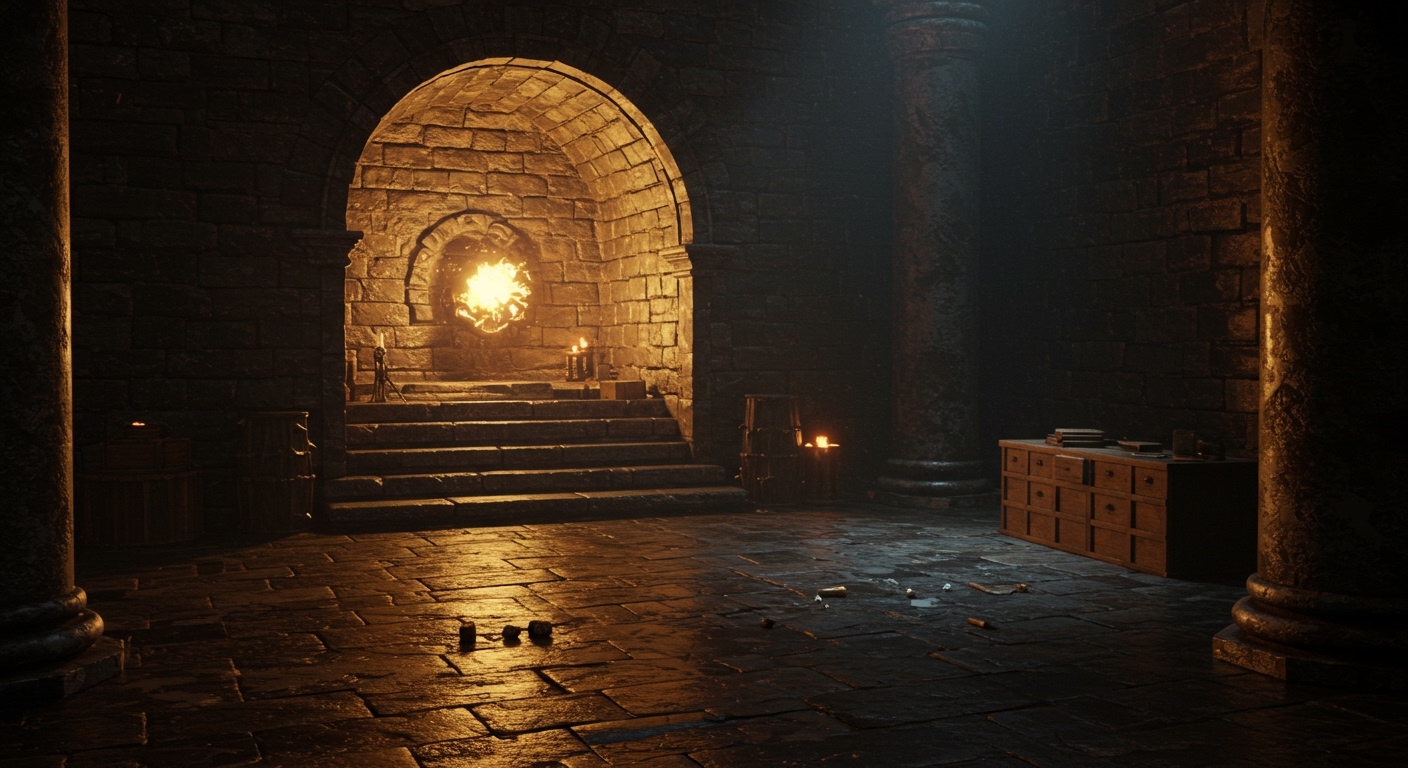
Conventional industry wisdom often equates “high fidelity” with hyper-realistic photogrammetry or meticulously hand-sculpted assets, particularly for focal points like the detailed ofrenda in the Coco tribute. This perspective, while valuing individual craftsmanship, frequently misjudges the scalability required for next-generation virtual spaces. The ambition of AION 2 to deliver more than 200 distinct dungeons demonstrates that a truly immersive and expansive virtual world cannot rely solely on unique, manually authored content. This quantity necessitates advanced procedural generation systems. These act as foundational elements for complex environmental realism, where dynamic lighting and material properties are programmatically consistent across vast areas, creating a coherent, believable virtual space that adapts at scale.
Such procedural generation, when integrated correctly with modern rendering engines, can achieve a form of hyper-realism that is both expansive and deeply interactive. It directly challenges the notion that proceduralism inherently sacrifices artistic control or visual nuance. Artists do not cede control but instead define parameters and rulesets for dynamic content generation, impacting everything from terrain morphology to prop placement and subtle lighting variations. By mid-2027, industry leaders like NC will openly discuss bespoke procedural pipelines that dynamically adapt environmental detail and lighting to player interaction, moving beyond static scene generation to fully responsive virtual worlds. This will shift the industry’s focus from a dichotomy of hand-made versus generated to a discussion of artist-driven proceduralism against static asset placement.
The primary resistance to this shift comes from established 3D asset pipelines built around individual model delivery and manual UV unwrapping, particularly in studios heavily invested in legacy engine workflows. These pipelines often struggle to integrate the dynamic data structures and real-time generation capabilities central to advanced procedural systems, perpetuating a reliance on discrete, pre-baked assets that limit environmental complexity and scale.
A working 3D Modeling professional should immediately begin exploring declarative, node-based procedural content generation within environments like Blender Geometry Nodes or Houdini, focusing on how these systems can generate entire scenes, not just individual assets. This includes experimenting with material graph workflows that allow procedural modification of textures and lighting parameters based on environmental context or runtime data.
TL;DR
Scalable virtual spaces demand sophisticated procedural generation, fundamentally redefining hyper-realism in 3D content creation.
Curated References
About this editorial — This piece was developed using AI-assisted research and curation across multiple industry sources. All analysis, opinions, and predictions represent the editorial perspective of JHDD. Sources are linked in the references section above.