JHDD UI UX Report — 2026.07.05
The perceived simplicity of connecting Figma to an AI tool, generating working screens in seconds, often dissolves when applied to actual, complex projects.
This phenomenon highlights a broader, concerning pattern: a widening chasm between the superficial ease provided by new tools and features, and the integrated, systemic value required for genuine progress. Whether it is the misleading simplicity of AI pipeline demos, the counterproductive “ease” of job applications leading to worse outcomes, or the general industry push for more individual tools instead of robust integrations, the common thread is a disconnect. Designers and product managers are increasingly realizing that isolated improvements, while appearing beneficial at first glance, often introduce new complexities or fail to deliver measurable business outcomes, revealing a maturing demand for accountability beyond surface-level metrics.
Vitaly’s “Design Patterns For AI Interfaces” video course addresses a crucial aspect of this challenge by focusing on how useful features can be seamlessly integrated to match established mental models. This contrasts sharply with a prevalent industry belief that simply introducing a new, powerful AI tool or making an individual interaction “frictionless” automatically improves overall user experience or business results. The reality is often the opposite: an overemphasis on isolated “ease” can create systemic chaos, as evidenced by the job market, where simplifying applications led to an overwhelming volume for recruiters and a significantly lower interview rate for candidates. Such examples demonstrate that making one part of a process effortless, without considering its broader impact on the entire ecosystem, frequently diminishes overall utility and can generate more problems than it solves. Instead, true value emerges from intelligent integration that respects existing workflows and mental models. This critical distinction will gain significant traction, and by mid-2027, major enterprise software vendors will prioritize and market solutions based on their pre-built integration capabilities and workflow intelligence rather than standalone AI features.
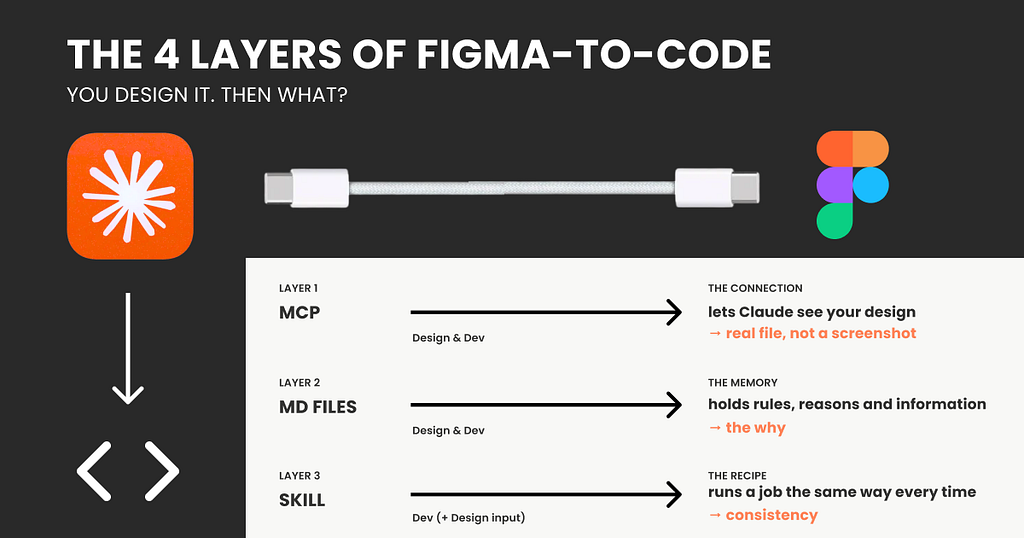
The “Figma-to-code AI mess” further illustrates this issue. Demos showcase a pristine, single-layer operation, yet real-world projects demand intricate integration with existing design systems, diverse data sources, accessibility standards, and robust testing frameworks. The promise of instant production-ready code from a design artifact often masks the complex engineering and design operations required to bridge this gap. This illusion of effortless generation distracts from the deeper, more impactful work of ensuring designs contribute directly to business outcomes like reduced operational costs or improved retention, rather than merely producing a quick visual output.
The primary opposing force to this necessary shift towards systemic integration and outcome-driven design is the relentless pursuit of novel technology for its own sake, often driven by marketing cycles and investor pressure. Point solution vendors and AI tool developers are incentivized to highlight isolated feature capabilities rather than the complex, often unglamorous, work of deep integration. This creates a market where shiny new objects proliferate, each promising revolutionary individual functions, but few addressing the holistic needs of an interconnected enterprise ecosystem.
A working UI UX professional should, starting this week, expand their user research scope beyond individual task flows to encompass the full, end-to-end operational context of their users. This means conducting ethnographic studies that observe how users interact with multiple tools and systems throughout their workday, identifying points of friction not within a single interface, but at the seams between different applications. The goal is to map the entire ecosystem’s “before” and “after” state when introducing a new design or feature, collaborating directly with IT architecture and integration specialists to ensure proposed solutions enhance, rather than disrupt, the broader operational landscape.
TL;DR
Surface-level UX improvements and new tools often create deeper systemic problems without delivering actual, integrated business value.
Curated References

About this editorial — This piece was developed using AI-assisted research and curation across multiple industry sources. All analysis, opinions, and predictions represent the editorial perspective of JHDD. Sources are linked in the references section above.