JHDD 3D Modeling Report — 2026.07.04
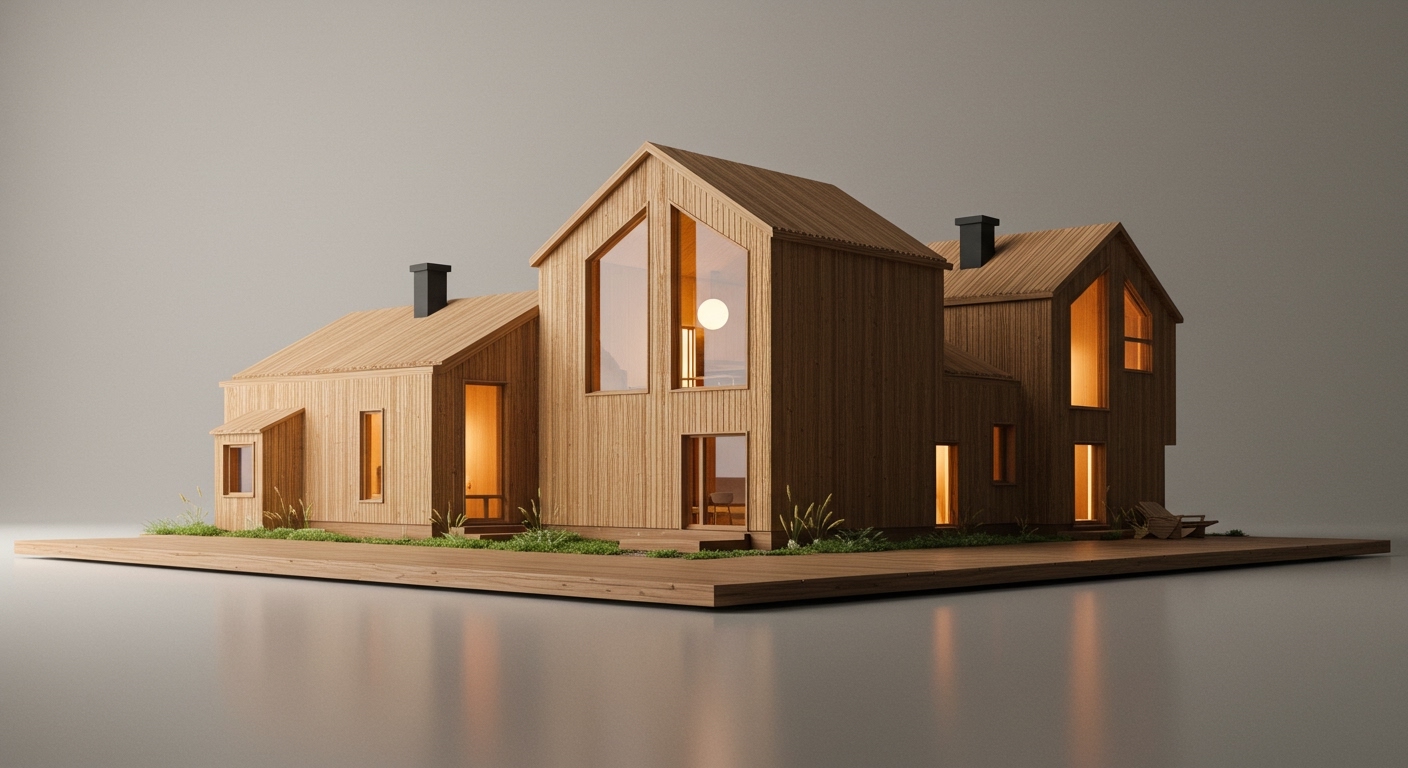
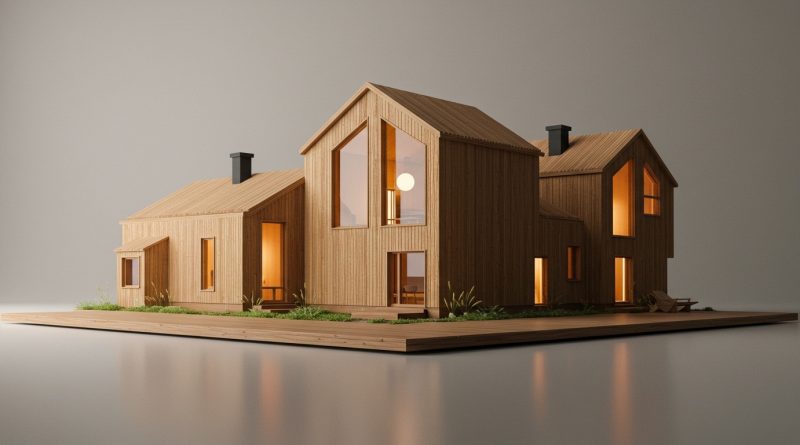
Lili Brujin’s Evergrove project used four different materials and RGB masking to texture its houses. This approach, seen across recent independent projects, highlights a strategic shift in how artists achieve high levels of visual fidelity within virtual spaces. It demonstrates a move towards smart material application and efficient procedural techniques, rather than relying solely on high-polygon counts or singular, bespoke textures. The detailed ofrenda in the Coco tribute and happeh’s painterly Blender render similarly illustrate how specific artistic vision, backed by sophisticated but efficient digital fabrication methods, generates deep immersion.
The mainstream industry narrative frequently positions absolute hyper-realism as the pinnacle of 3D artistry and spatial computing, often equating photorealism with immersion. This perspective overlooks the crucial role of artistic intent and workflow efficiency in creating compelling virtual environments. The depth and appeal found in a stylized environment, such as the Evergrove project, or the “iconic essence” captured in fan art like Jinx, often stem from intelligent material layering and procedural solutions that enhance visual richness without excessive manual labor. It is convincing presence that drives engagement, not merely raw fidelity to real-world optics.
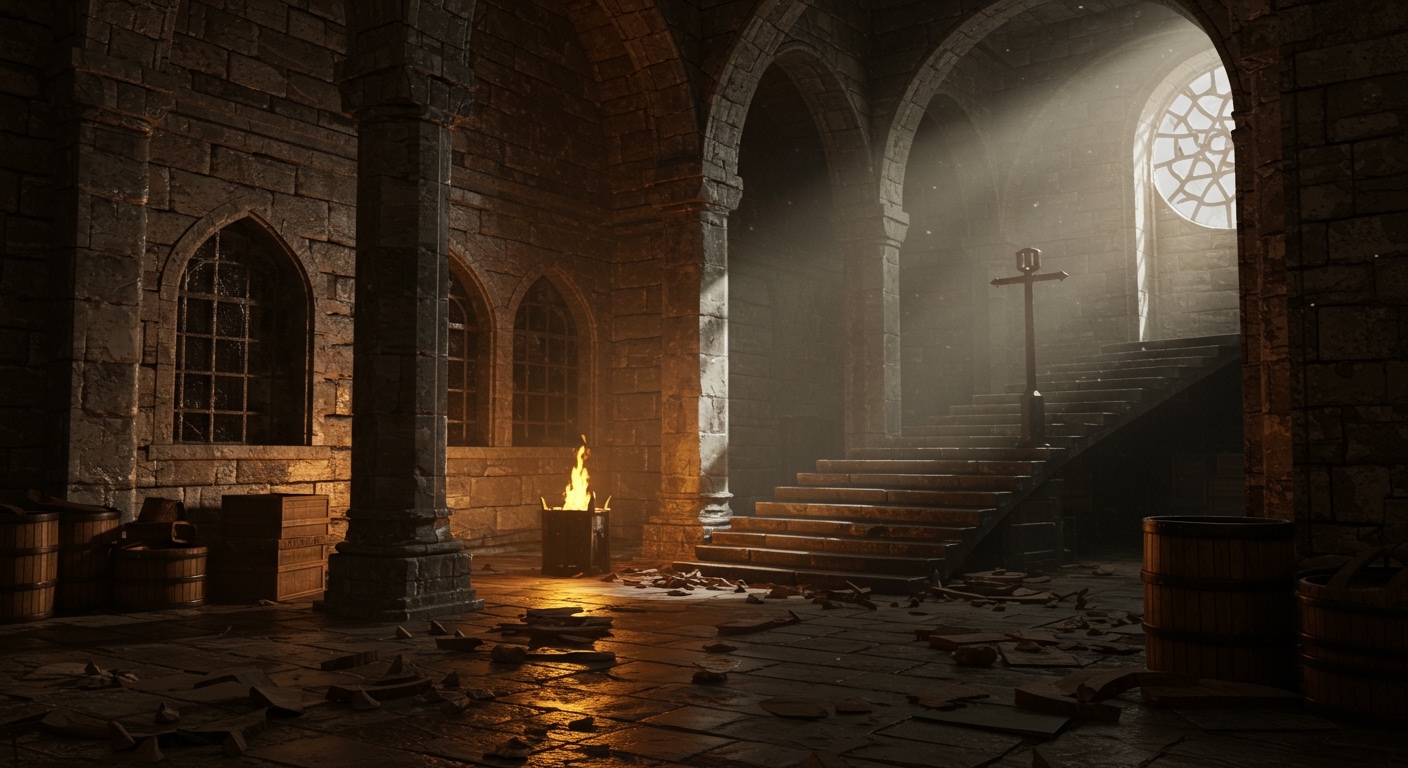
Consider the workflow behind Lili Brujin’s Evergrove. The use of RGB masking for texturing houses points directly to a procedural approach to material blending. This method streamlines iteration and allows for complex surface variation from fewer base assets. It contradicts the conventional wisdom that hyper-detailed assets necessitate laborious, unique texture painting for every surface. Instead, it leverages the power of masks and material libraries. By mid-2027, the prevalent method for achieving richly textured virtual spaces, even those verging on hyper-realism, will involve extensive procedural material blending and intelligent asset scattering driven by data masks, rather than individual bespoke textures.
The primary resistance to this shift comes from established workflows and an industry bias towards manual, handcrafted detail perceived as inherently superior. This often translates into production pipelines that favor individual sculpting and texture painting for every unique asset, hindering scalability and efficiency, particularly for environments and large virtual spaces. Some artists and studios resist adopting procedural approaches due to a perceived loss of artistic control, despite the fact that these tools offer powerful, artist-driven customization.
A working 3D Modeling professional should prioritize experimenting with mask-driven material blending within their current DCC software this week. Focus on how techniques like RGB masking can control the distribution of multiple materials on a single mesh, reducing UV overhead and increasing the flexibility of asset reuse. This directly improves workflow for virtual spaces and environment design.
TL;DR
Strategic procedural texturing offers more impactful immersion than raw hyper-realism alone.
Curated References
About this editorial — This piece was developed using AI-assisted research and curation across multiple industry sources. All analysis, opinions, and predictions represent the editorial perspective of JHDD. Sources are linked in the references section above.