JHDD Interior Report — 2026.07.04
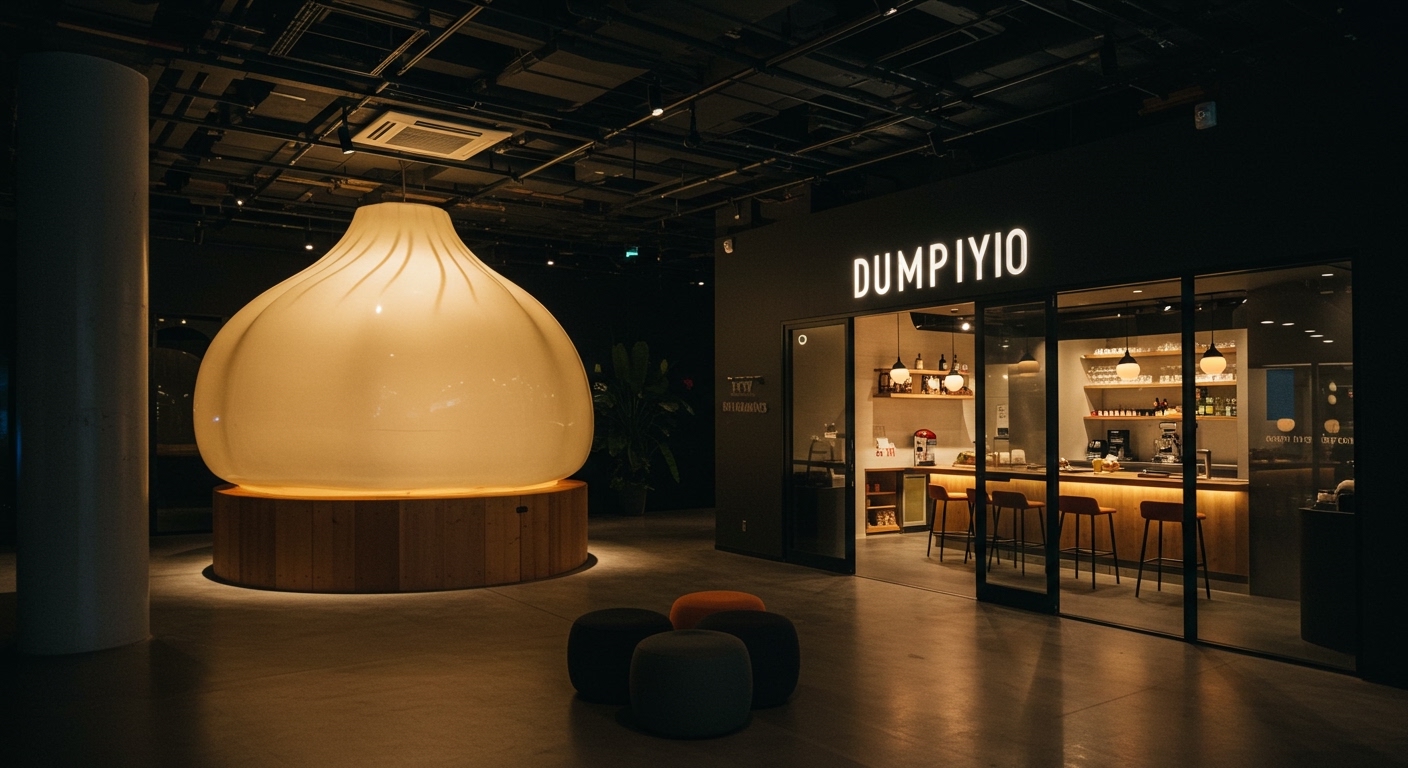
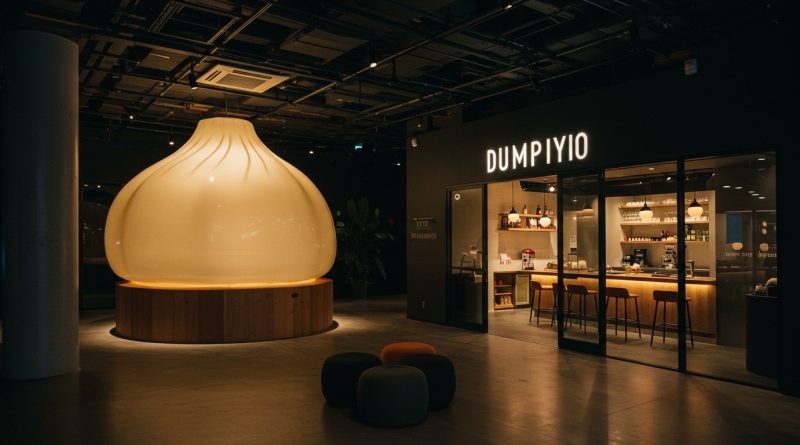
Open Studio’s gigantic fibreglass dumpling lamp, beckoning visitors into Singapore’s Dumpling Darlings, signifies a calculated departure from subtle branding.
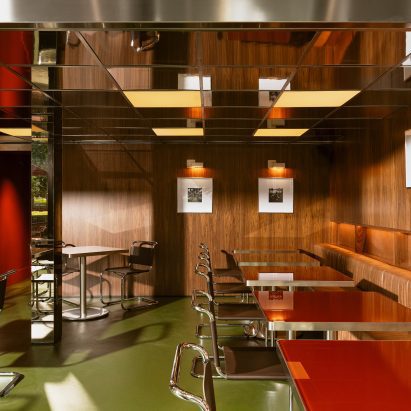
The recent examples from Tomi Ginza to Lève Office Bar illustrate a consistent thread: design that intentionally misaligns spatial typologies or exaggerates materiality to generate a distinct atmospheric tension. This is not about creating overt novelty, but about a controlled disruption of expectation, where elements are recontextualized or scaled in ways that demand a different mode of engagement from the occupant. The familiar is rendered unfamiliar, not through abstraction, but through precise re-framing.
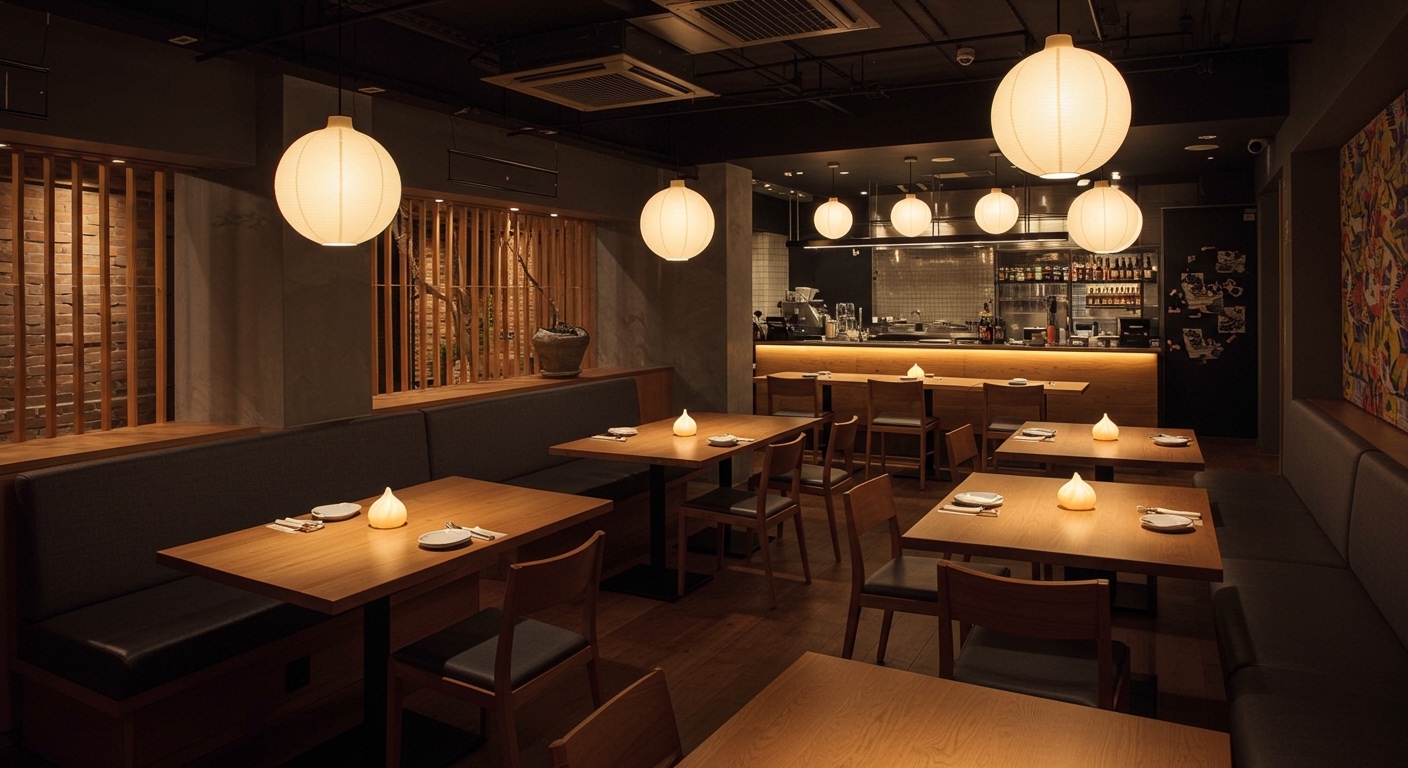
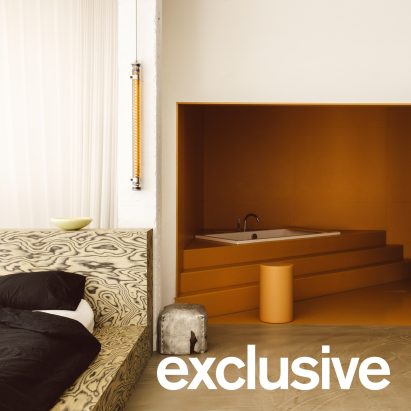
Consider Sabine Marcelis’s Rotterdam loft apartment, which she describes as “forever evolving” with her life, featuring a self-designed resin bathtub and a three-metre-tall lava lamp. Mainstream design often prioritizes a final, static state of perfected aesthetic cohesion, advocating for designs that “stand the test of time” through understated elegance. This overlooks the profound value of spaces that deliberately resist completion, instead embracing a state of continuous adaptation. The “forever evolving” approach, embodied by Marcelis, implies a direct, tactile relationship with the environment, where the user is an active participant in the space’s becoming. The materiality of resin and the dynamic nature of a lava lamp are not merely decorative; they are direct expressions of this ongoing, personal flux.
This perspective challenges the industry’s default towards passive reception of design, suggesting instead that a heightened sense of user agency, even playful, contributes more to a luxury experience than seamless perfection. The deliberate incongruity of a monumental lava lamp in a private residence, or the continuous reconfiguration, forces a different kind of spatial awareness. By mid-2027, this active re-engagement with personal and commercial spaces will push developers to invest in more mutable structural elements and modular, yet highly refined, custom furnishings. This will move beyond mere customisation, towards systems designed for owner-initiated evolution, where the act of modification becomes part of the spatial narrative itself.
The primary resistance to this approach comes from the entrenched economic models of large-scale commercial development and residential construction, which inherently favor efficiency, standardization, and a clear “finished product” for resale or lease. The cost implications and logistical complexities of mutable, evolving spaces challenge the predictable timelines and profit margins that underpin conventional projects. Speculative builders, driven by speed and broad market appeal, will continue to push for generic, low-friction designs that minimize the perceived risk of highly specific or adaptable interiors.
Interior professionals should identify one specific element within their current projects – a partition, a light fixture, or a primary material surface – and explore its potential for deliberate textural or formal exaggeration that challenges its typical function. For example, specify a common material in an unexpected scale or an unconventional finish that invites a unique tactile interaction, rather than simply blending into the background.
TL;DR
Meaningful spatial experiences emerge from deliberate material and functional tension, not just seamless flow.
Curated References

About this editorial — This piece was developed using AI-assisted research and curation across multiple industry sources. All analysis, opinions, and predictions represent the editorial perspective of JHDD. Sources are linked in the references section above.