
JHDD UI UX Report — 2026.07.04

The reported confusion surrounding Figma-to-code AI pipelines indicates a fundamental mismatch between demo capabilities and practical integration.
The disparate challenges in recent design and technology news share a common thread: the misapplication of interaction patterns when scaling local efficiencies to complex, systemic problems. This leads to a degradation of overall usability and control, whether in technical workflows or social systems.
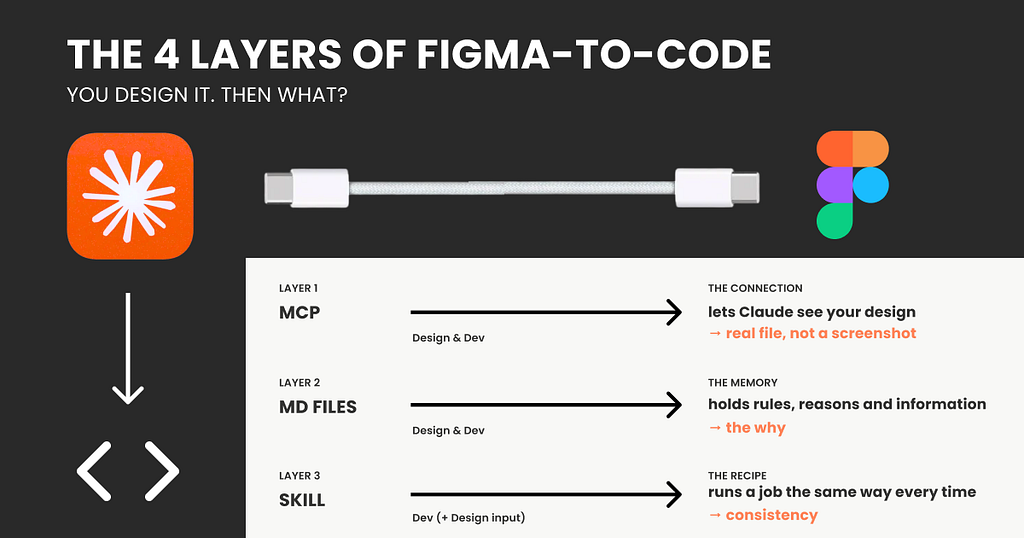
The prevailing industry narrative often champions a vision of seamless AI integration, implying that tools like those connecting Figma to code will automate the laborious parts of design system implementation. However, the current reality, as highlighted by the “Figma-to-code AI mess” article, indicates that while “demos show you one clean layer working under perfect conditions,” actual projects “need three” layers for a functioning workflow. This contradicts the mainstream belief that direct, one-to-one design-to-code translation through AI is the primary or most valuable path forward. The complexity is not a bug to be patched but an inherent feature of translating human-authored visual design, with its nuanced interaction patterns, accessibility considerations, and dynamic component states, into robust, production-ready code. Relying solely on a generative AI for this without explicit design control over the translation layer bypasses critical design system governance and risks introducing usability debt.
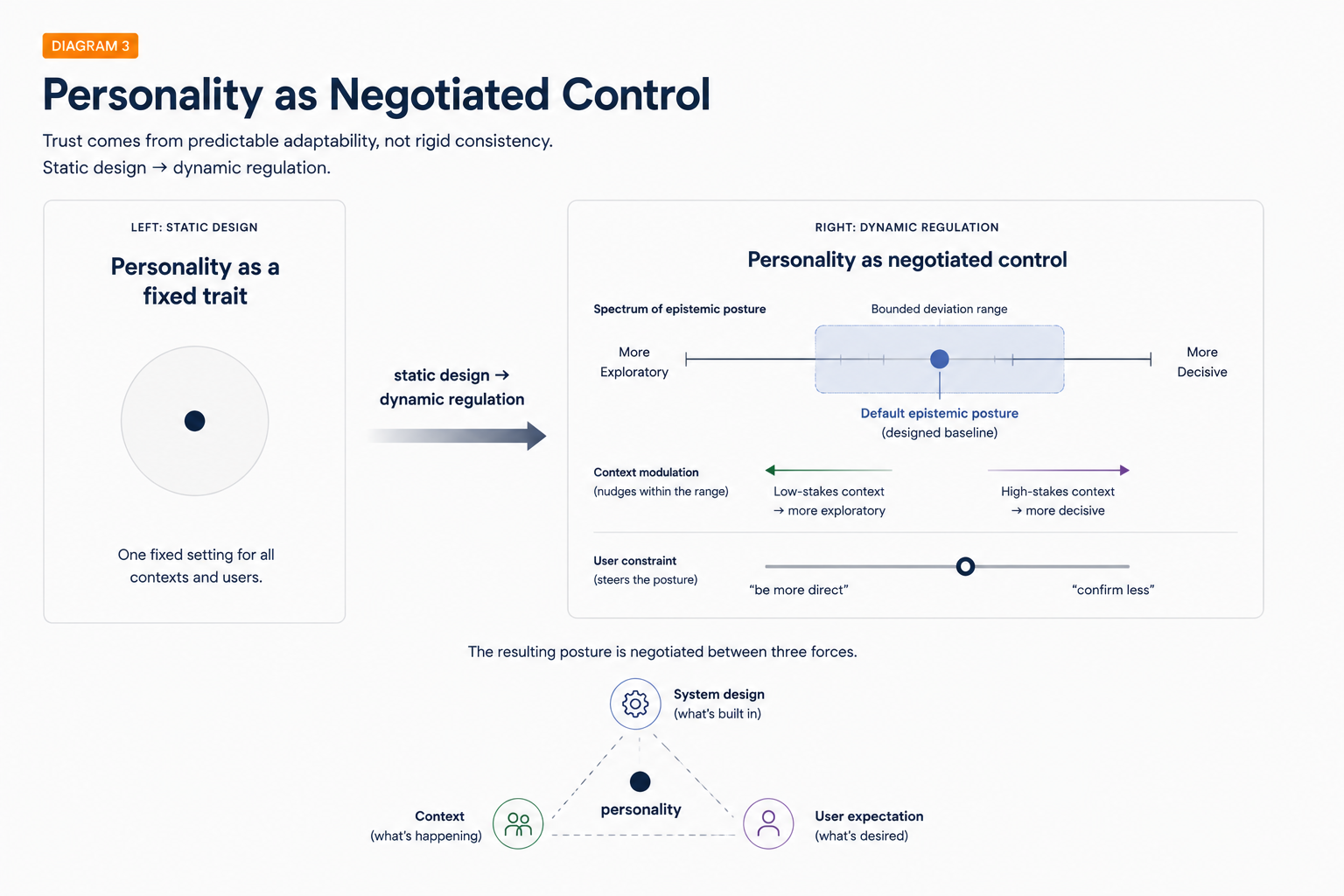
Instead of striving for an illusory “one-click” solution, a more valuable approach involves designing AI interfaces that expose and manage this complexity. The article “Matching AI Modality To User Intent” argues against conversational tunnel vision, suggesting AI interfaces should adapt to user context and cognitive load. Similarly, in design system generation, the interaction pattern should not be a simple prompt but a guided configuration that surfaces decisions about component variations, accessibility attributes like ARIA labels, and responsive layout behaviors. This means the interaction design focuses on curation and validation of AI output, not merely generation. The “AI personality is a design problem” observation also points to the need for deliberate rather than accidental design of AI interactions. By early 2028, leading design system tools will integrate AI primarily as an intelligent assistant for pattern validation and code generation suggestions, presenting explicit review steps for designers and developers to confirm generated outputs against established design tokens, interaction patterns, and accessibility standards.
The pressure to deliver impressive, “hands-off” AI features often originates from competitive market narratives and a drive for perceived efficiency gains, frequently fueled by executive enthusiasm or venture capital expectations. This commercial imperative can push product teams to prioritize spectacular, yet ultimately fragile, generative capabilities over robust, controllable, and truly usable design-to-code workflows that account for the nuances of accessibility and maintainability. This pursuit of headline-grabbing “magic” often sidesteps the essential work of designing sophisticated feedback loops and control mechanisms for AI-driven processes, overlooking the systemic impact on team collaboration and long-term product quality.
UI UX professionals should conduct targeted user research focused on the points of friction and uncertainty in current AI-assisted workflows, particularly where human intent must translate into machine output. Based on this research, they should design and prototype explicit intervention points, feedback mechanisms, and configurable parameters within AI tools that allow designers to inspect, validate, and adjust generated interaction patterns and components, rather than accepting them as a black box. This includes defining clear patterns for annotation and modification of AI-suggested accessibility attributes and ensuring version control for AI-generated assets, integrating them into existing design system governance frameworks.
TL;DR
The challenge for AI in design systems is creating interfaces for human oversight and validation, not pure automation.
Curated References


About this editorial — This piece was developed using AI-assisted research and curation across multiple industry sources. All analysis, opinions, and predictions represent the editorial perspective of JHDD. Sources are linked in the references section above.