JHDD Architecture Report — 2026.07.04
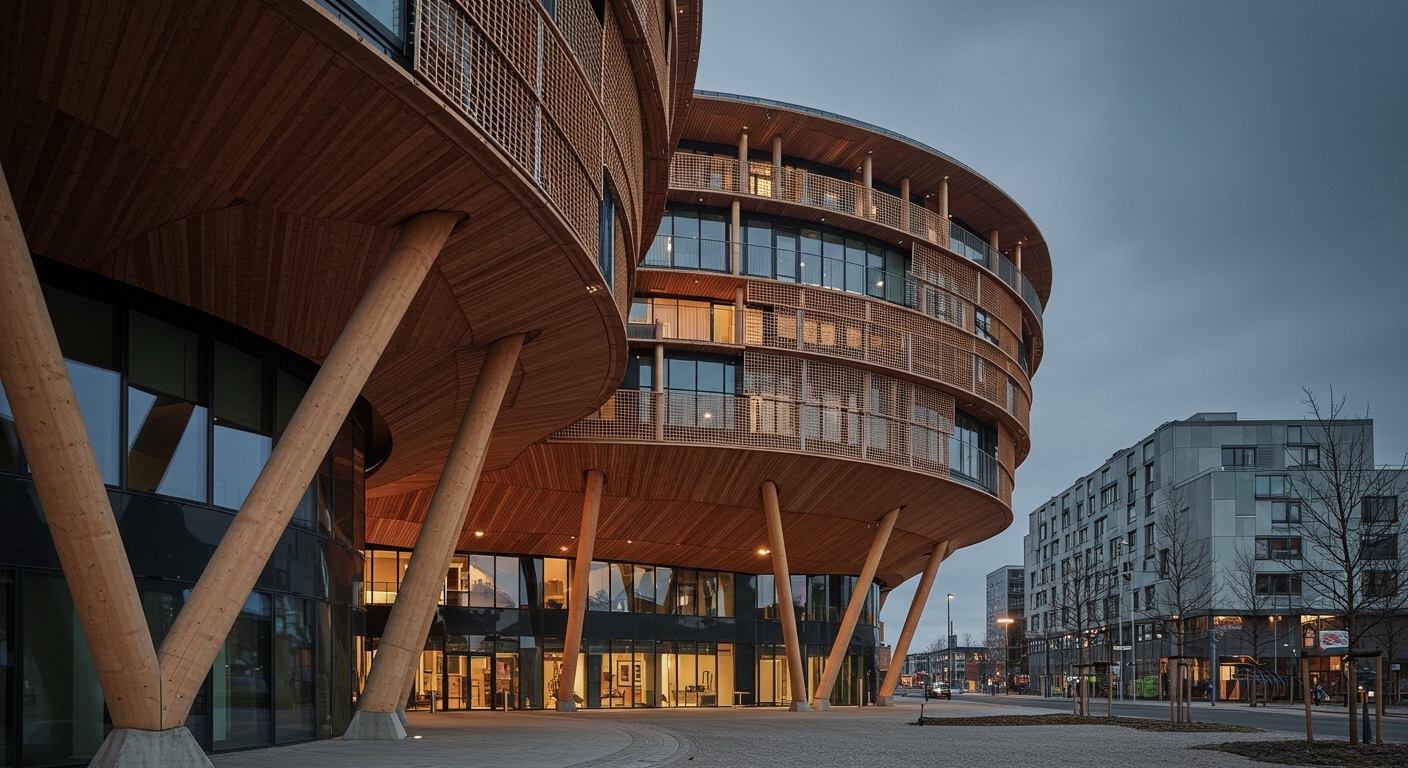
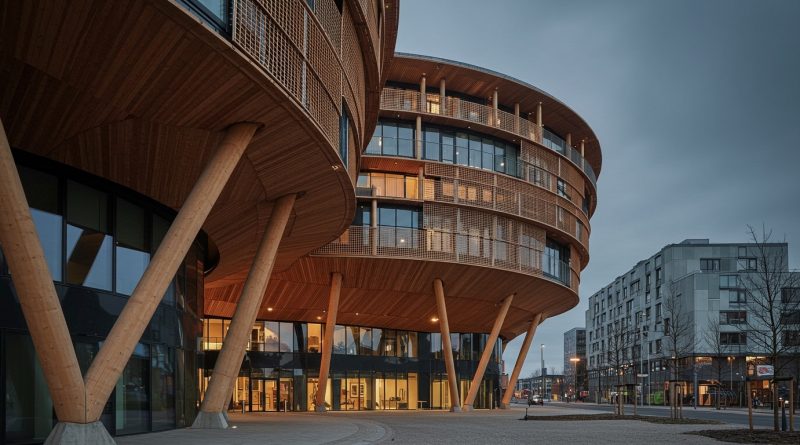
BIG’s recently completed Dymak HQ in Odense, Denmark, features a rounded mass-timber structure.
This specific project, alongside the Van Alen Institute and Broadway Mall Association’s call for “Eco-Mutualism” installations and the philosophical inquiry from COTAA 3/2026, reveals a focused engagement with architecture’s direct ecological agency. These initiatives move beyond passive sustainable design, pushing for active remediation and integration within environmental systems, whether through material selection, urban intervention, or critical thought. The emphasis shifts from simply reducing harm to actively fostering symbiotic relationships with nature and managing architectural consequences.
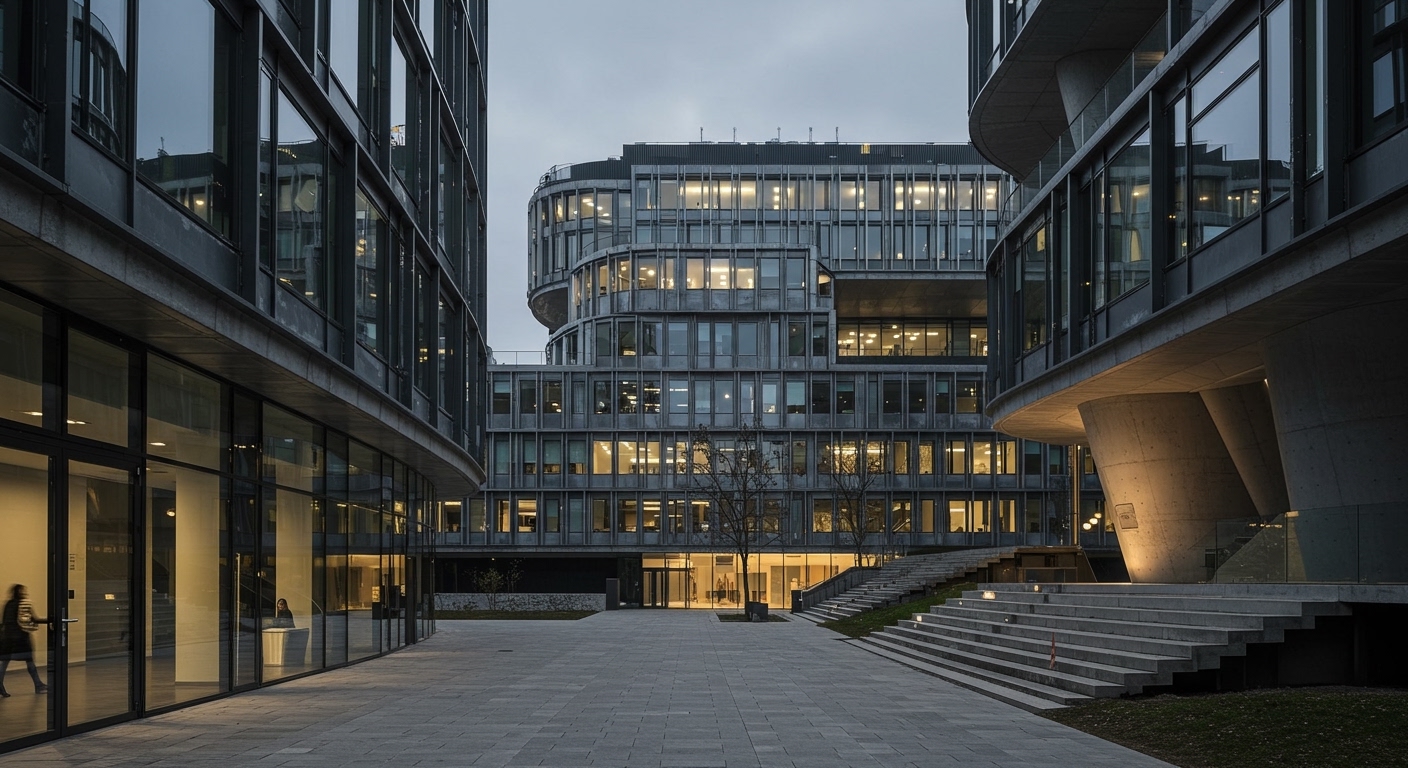
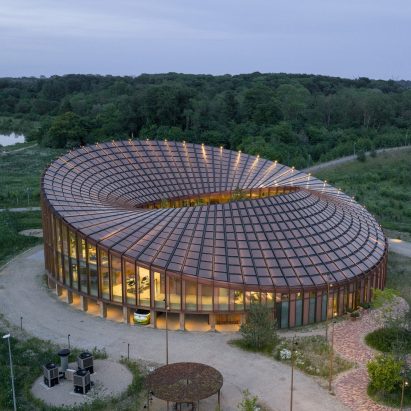
The Dymak HQ project exemplifies this material honesty, using mass timber for its low-carbon footprint and structural integrity. However, mainstream industry discourse frequently celebrates the visually striking form, such as its roof evoking a Möbius strip, often overshadowing the deeper material and structural philosophies. A more critical perspective suggests that genuine innovation lies less in novel forms and more in the verifiable lifecycle impacts of chosen materials and the specific, measurable urban benefits they provide. The true value of the Dymak HQ resides in its commitment to low carbon and the embodied energy savings of its timber, not merely in its aesthetic geometry.
This emphasis on tangible ecological outcomes will increasingly shape professional practice. Jay Morton’s election as RIBA president signals an institutional pivot towards more responsible frameworks. Her presidency, beginning in September 2027, will likely see the Royal Institute of British Architects advocating for more stringent material provenance and ecological performance standards. By late 2027, it is anticipated that major architectural award criteria will explicitly incorporate metrics for verified carbon sequestration and demonstrated urban biodiversity enhancement, influencing project recognition beyond purely aesthetic or programmatic innovation.
The primary obstacle to this deeper integration of ecological principles remains the inertia of conventional construction supply chains and their entrenched financial models. These systems often prioritize rapid deployment and low upfront cost over the long-term, distributed benefits of sustainable material innovation or comprehensive urban ecological projects like those envisioned by the Broadway Mall Association. Risk aversion in procurement and limited client education about true lifecycle costing also resist this necessary shift.
An architecture professional should immediately re-evaluate the top three most commonly specified structural materials in their projects, researching their complete embodied carbon profiles and identifying regionally sourced, lower-carbon alternatives for immediate integration into future specifications.
TL;DR
Architecture must now actively integrate ecological systems through material choice and urban intervention, not just reduce harm.
Curated References

About this editorial — This piece was developed using AI-assisted research and curation across multiple industry sources. All analysis, opinions, and predictions represent the editorial perspective of JHDD. Sources are linked in the references section above.