
JHDD UI UX Report — 2026.07.02
Apple’s AI strategy at WWDC 2026 highlighted Siri’s reliance on Google Gemini models, marking a shift in how core system interactions are perceived.
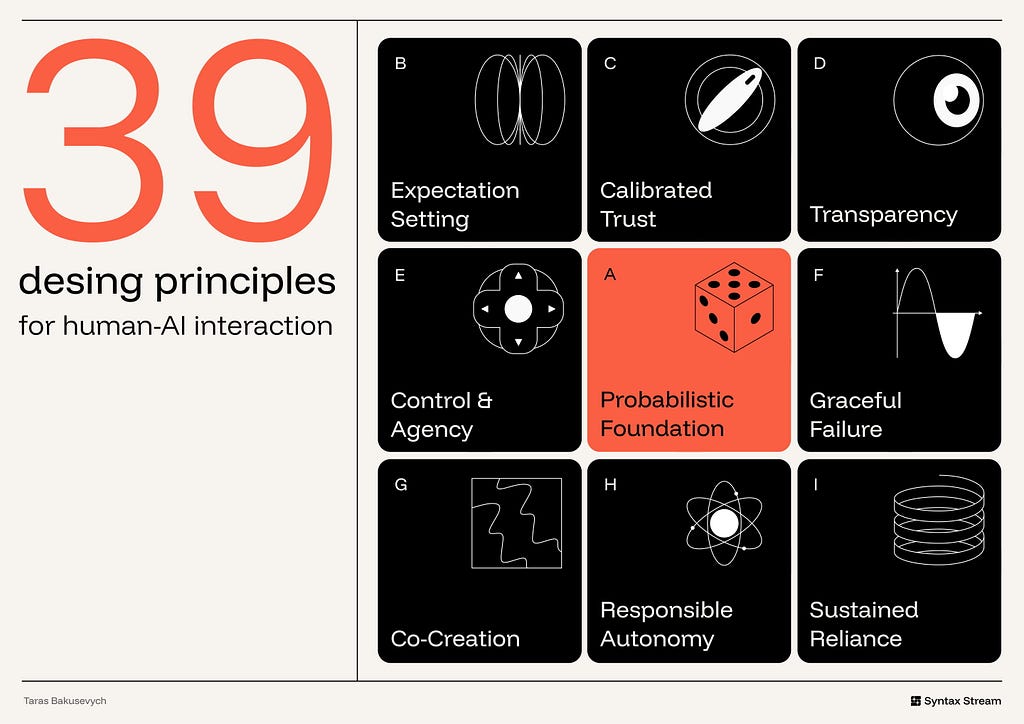
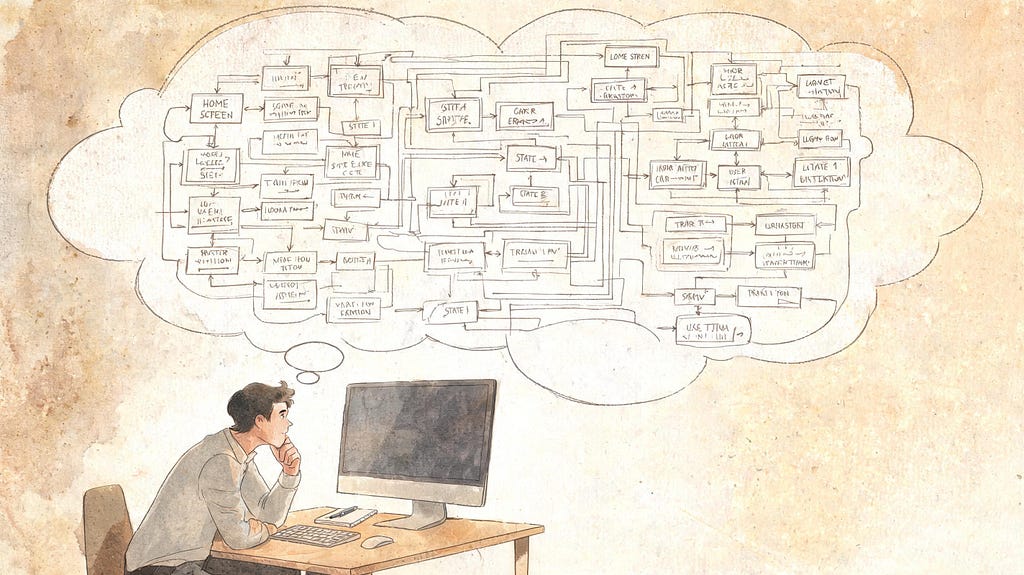
This move, alongside the “39 principles for designing human-AI interaction” and debates over console input patterns, underscores a fundamental tension in contemporary UI/UX. The industry is moving from predictable interfaces with defined controls to adaptive systems where the same input can yield varied outputs. The challenge is not just designing discrete screens, but orchestrating intelligent behaviors across a broader “platform embedded experience,” as the “Why systems thinking is becoming the most important UX skill” piece notes. Designers must now anticipate emergent properties and manage user expectations in less deterministic environments.
Apple’s decision to integrate Gemini models into Siri through its Intelligence Framework at WWDC 2026 signifies a critical evolution in design system thinking. This partnership means core AI functions, integral to system-level interactions like suggestions and contextual responses, are no longer purely proprietary. It demands that Apple’s internal design systems accommodate external AI model behaviors, particularly regarding how uncertainty or multi-modal outputs are presented. This shift extends beyond merely connecting APIs; it necessitates a re-evaluation of how visual and auditory feedback communicates the source and reliability of information, impacting fundamental interaction patterns for millions of users. The abstract idea that “product quality is not determined by model capability alone” becomes a concrete design systems challenge.
Mainstream industry discourse often prioritizes the creation of a singular, coherent brand “voice” or a proprietary AI persona for consistency. However, Apple’s pragmatic integration of Google Gemini, rather than striving for a wholly in-house AI, contradicts this notion. This move suggests that delivering superior functional utility and richer, more context-aware experiences through best-of-breed component integration takes precedence over the perceived purity of a monolithic AI identity. The value shifts from who built every underlying piece to how intelligently those pieces are orchestrated for the user. This redefines “design system” from a static library of UI components to a dynamic framework for managing diverse system intelligences. Within two years, more major platform providers will openly embrace multi-source AI architectures, focusing their design systems on harmonizing diverse AI outputs and interaction patterns, rather than on developing every model internally.
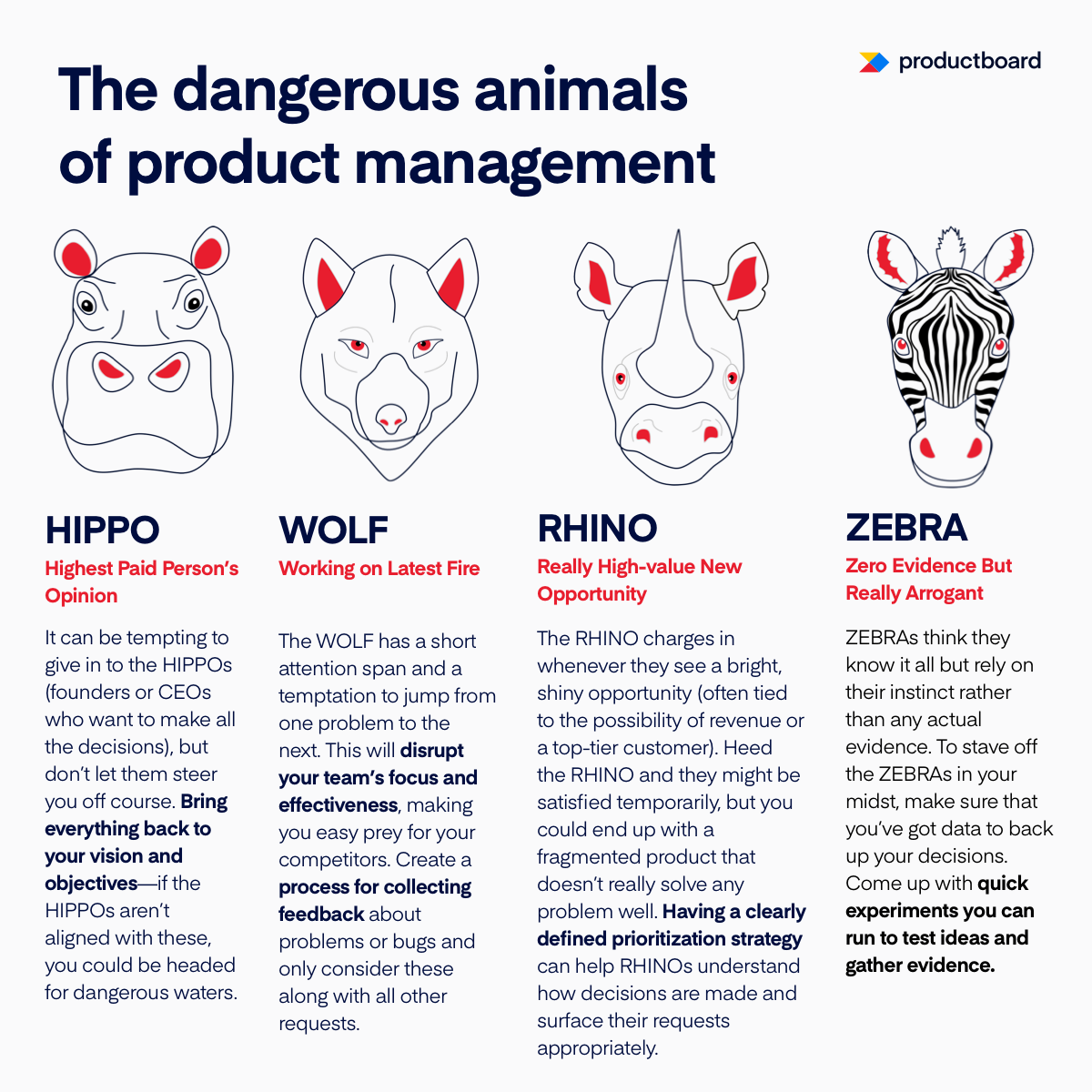
The most significant resistance to this systems-level design shift originates from product teams still structured around delivering discrete, screen-bound features, a mindset often reinforced by internal “predators” like misaligned incentives or feature-factory pressures, as mentioned in “The 4 predators sabotaging your product team.” These teams struggle to adopt “systems thinking” because their operational metrics and reward structures are tied to tangible UI outputs rather than the more abstract, emergent behaviors of an intelligent system. The focus remains on perfecting individual controls and predictable workflows, as illustrated by the “Game UX: the cursor that wasn’t supposed to be there” article regarding console navigation. This traditional view of design struggles with interfaces where “the same input can produce different outputs,” making it difficult to allocate resources for exploring and designing for inherent AI unpredictability.
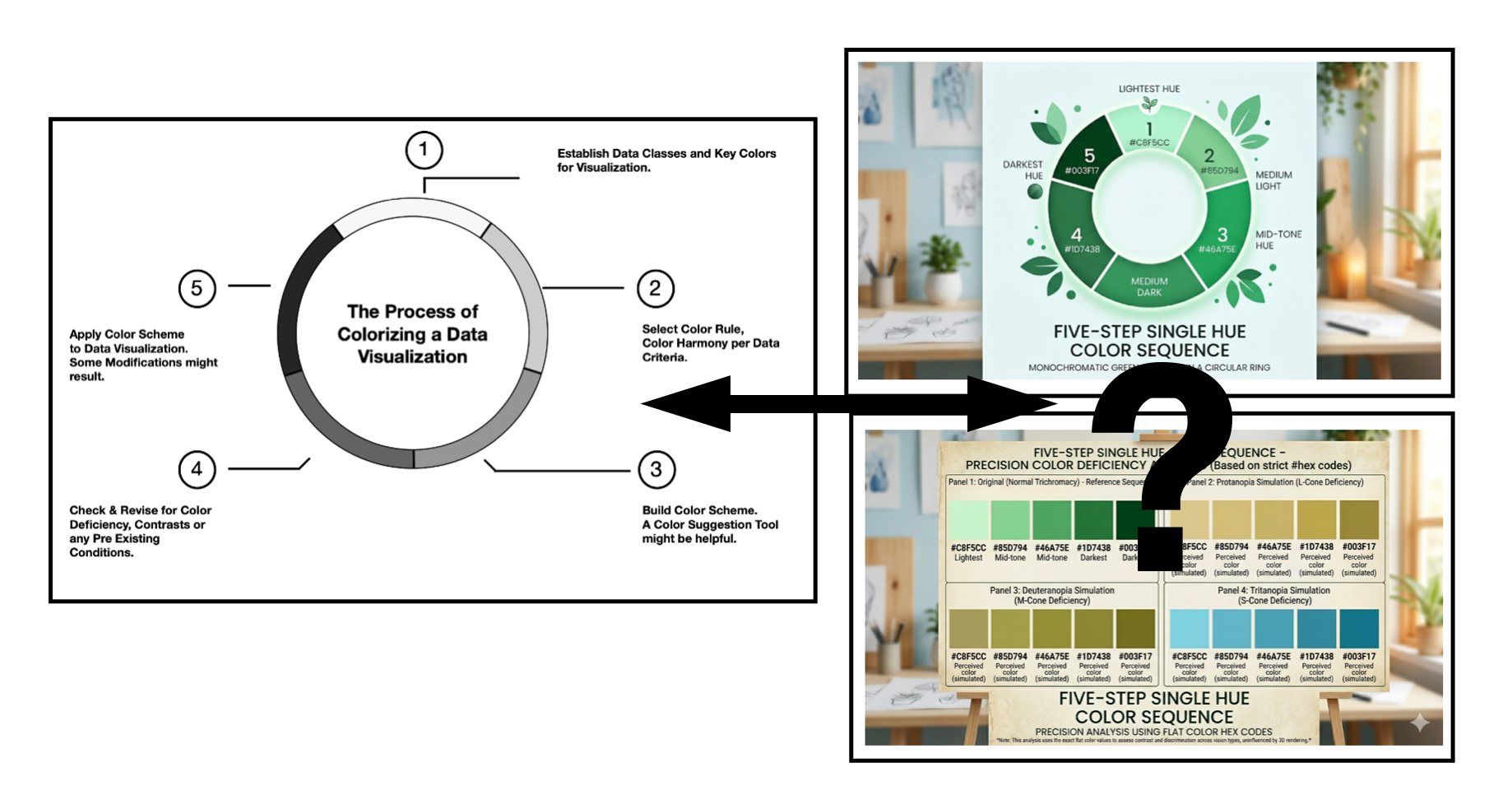
UI/UX professionals must immediately pivot their user research methodologies to prioritize “experience prototyping” over static screen mockups. For any feature leveraging AI or complex system interactions, instead of presenting users with a pre-rendered ideal outcome, simulate the variability and potential uncertainties inherent in an AI system. For example, when designing an AI-generated data visualization, drawing inspiration from methods like those described in “Exploring comprehensive data color scheme design with GenAI,” present users with several subtly different valid outputs from the same prompt, or even a momentarily imperfect output, to understand their tolerance for variability and how they recover. This allows designers to gather crucial data on user perception of control, transparency, and appropriate reliance, directly informing the design of robust interaction patterns and error states for less deterministic systems.
TL;DR
The future of UI/UX is designing for adaptive, multi-source AI systems where predictability is exchanged for dynamic utility.
Curated References

About this editorial — This piece was developed using AI-assisted research and curation across multiple industry sources. All analysis, opinions, and predictions represent the editorial perspective of JHDD. Sources are linked in the references section above.