JHDD Branding Report — 2026.07.03
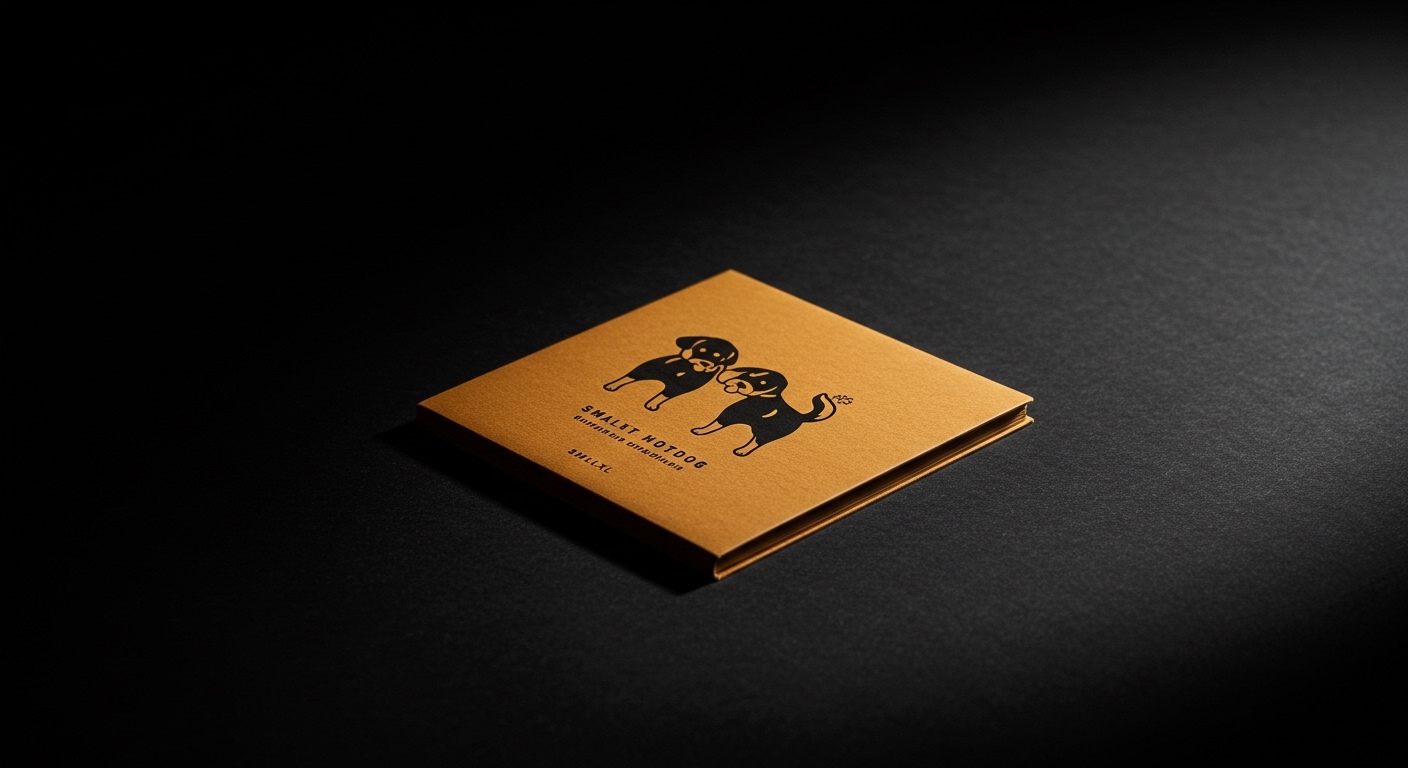
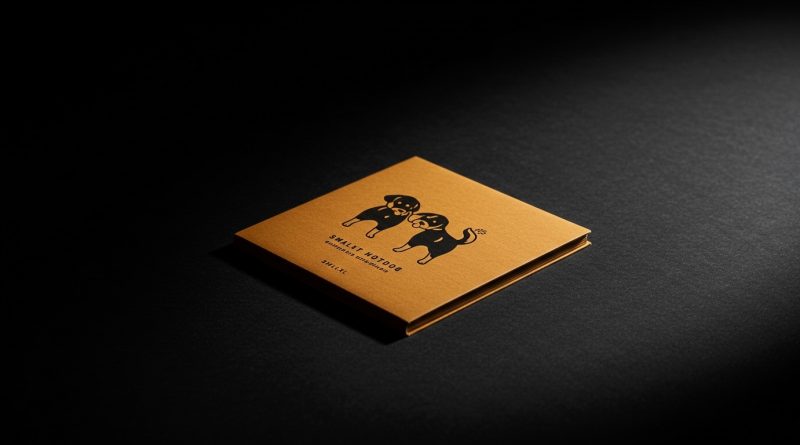
SMLXL’s branding for Midnight Hotdog includes a logo featuring two dogs sniffing each other’s bums. This specific detail exemplifies a quiet shift in brand strategy.
Across disparate market segments, from a new ‘dog fur mist’ to urban regeneration initiatives, there is a clear and growing preference for identity systems that embrace specificity and even friction over bland consensus. Brands are increasingly leveraging design to challenge pre-existing perceptions, injecting unapologetic clarity or deliberate quirkiness to establish distinctive cultural signals. This approach bypasses the pursuit of universal acceptance in favor of deep, targeted engagement.
Mainstream branding strategies often prioritize broad appeal, fearing that anything too distinctive risks alienating segments of the market. However, SMLXL’s branding for Midnight Hotdog directly contradicts this established wisdom. The logo and the ingenuously earwormish jingle are not merely humorous; they are deliberate provocations that cultivate intense, almost tribal, loyalty among a specific audience. This bold assertion of personality generates brand equity faster and more authentically than attempts at generalized palatability.
Many consultancies and internal brand teams continue to advocate for identity solutions that aim for the lowest common denominator, believing widespread mild recognition is superior to focused, fervent connection. This perspective is a miscalculation in competitive landscapes where distinctiveness is the primary differentiator. Midnight Hotdog demonstrates that intense appeal within a niche, achieved through bold, distinct visual identity, can generate stronger equity and more resonant cultural signals than a strategy of bland acceptance. By late 2027, brands will actively seek out identity elements that provoke strong, specific reactions, understanding that artistic timidity is the greater commercial risk.
The primary opposing force to this strategic shift remains the ingrained corporate fear of alienating a hypothetical “mass market.” This fear is often reinforced by traditional market research methodologies that prioritize broad, mild appeal derived from quantitative feedback, which inherently favors consensus and inadvertently dilutes brand distinctiveness.
This week, a working Branding professional should audit a current project for opportunities to introduce a specific, culturally resonant ‘edge’ or intentional friction point into the visual identity system, rather than smoothing it over for universal acceptance. Identify an element that, while strategic, might initially cause discomfort among stakeholders, and be prepared to articulate the long-term equity benefits of distinctiveness over perceived palatability.
TL;DR
Brands build stronger connections and equity by embracing specific, often polarizing, identity elements.
Curated References
About this editorial — This piece was developed using AI-assisted research and curation across multiple industry sources. All analysis, opinions, and predictions represent the editorial perspective of JHDD. Sources are linked in the references section above.