JHDD Packaging Report — 2026.07.01
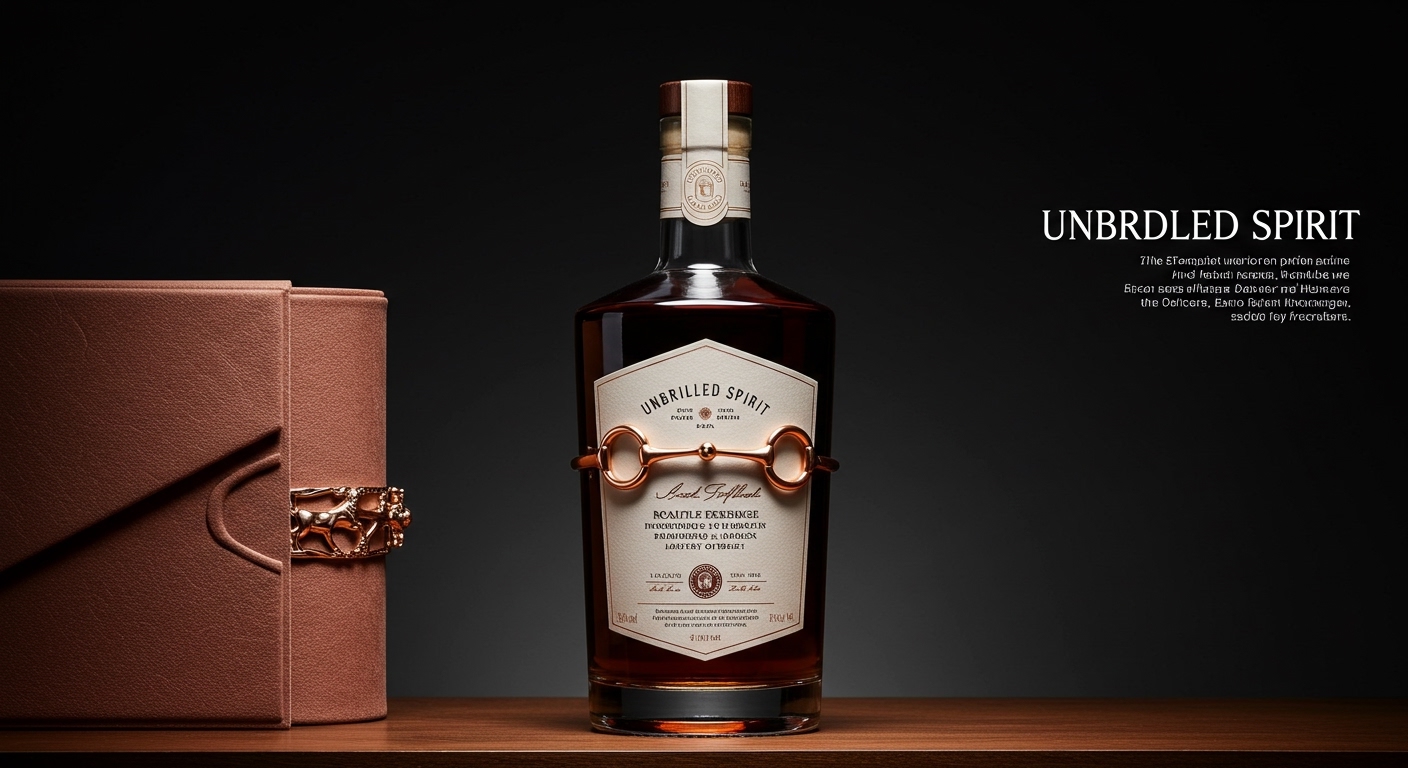
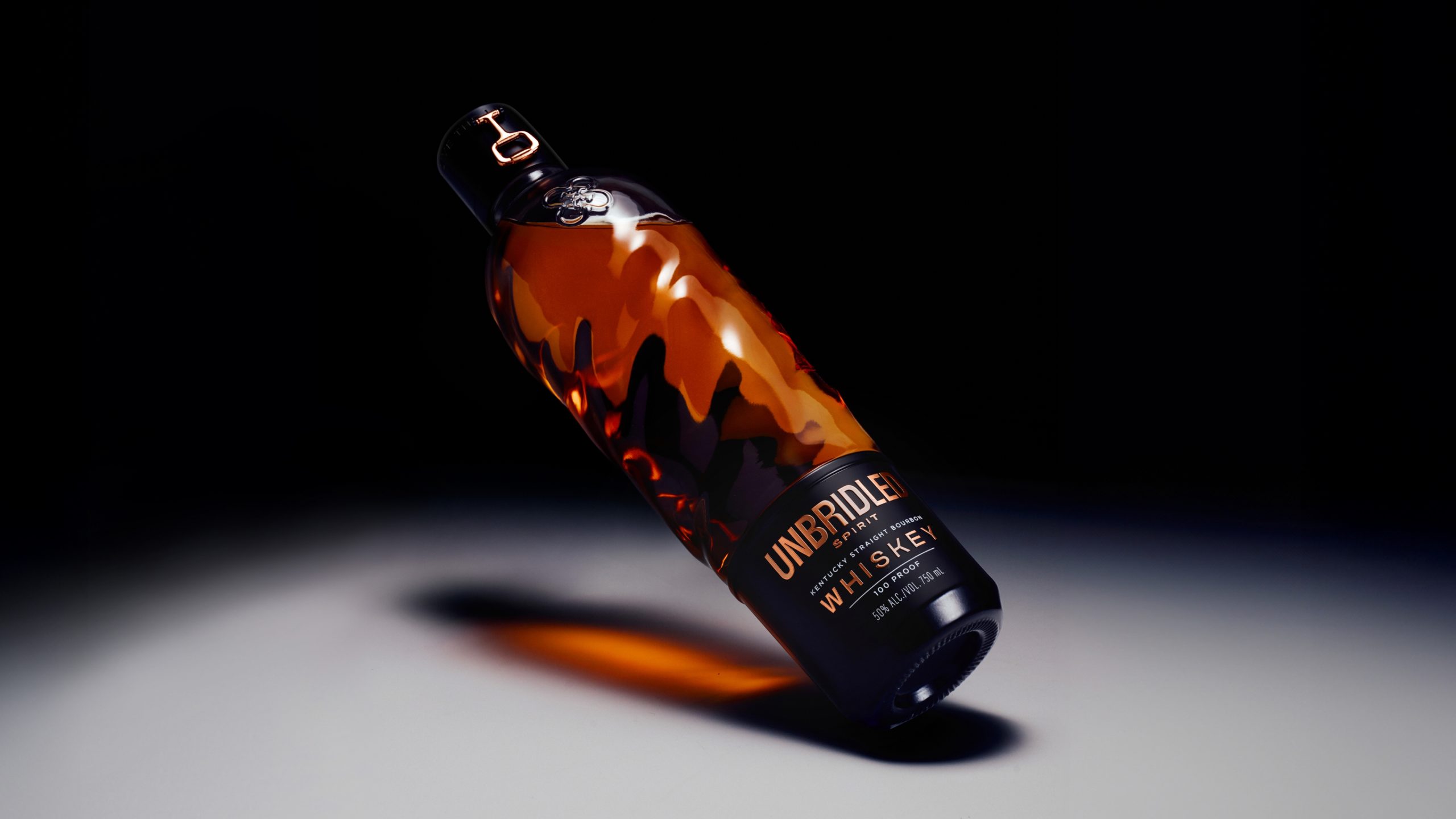
Unbridled Spirit bourbon features a rose gold snaffle bit hardware piece, transforming its bottle into a luxury object.
This specific detail, alongside other recent examples, highlights a deliberate move in packaging design to transcend traditional category boundaries and imbue products with a cultural or aesthetic value that encourages retention. Brands are increasingly designing packaging not merely as a disposable container, but as a primary vehicle for storytelling, collectible art, and enduring brand engagement. This shift elevates the package from a transactional item to a cherished artifact, often leveraging unexpected visual and tactile cues to foster a deeper connection.
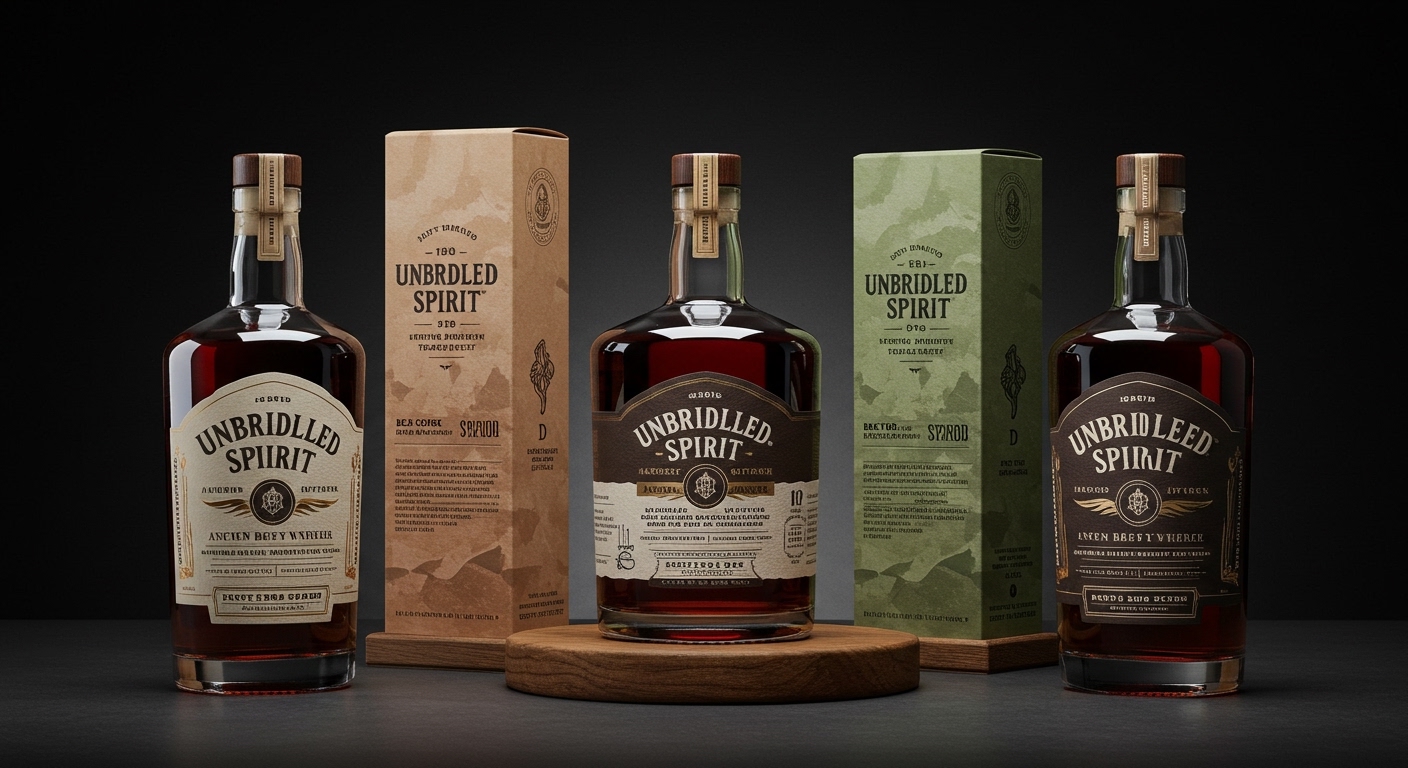
Holy Studio’s work on Unbridled Spirit exemplifies this trajectory by creating a bourbon package that mimics a high-fashion accessory, complete with tactile hardware like the rose gold snaffle bit. This approach directly challenges the mainstream industry’s prevailing focus on sustainable materials as the primary driver of truly sustainable packaging. While material innovations are undeniably crucial for reducing environmental impact, an equally powerful and often overlooked aspect of sustainability lies in designing for desirability and extended utility. By fostering an emotional connection through exceptional design, brands can encourage consumers to retain, reuse, or display packaging, thereby extending its functional and perceived life. A truly sustainable package is one that consumers hesitate to discard, not only because of its material composition but also due to its inherent design value, shifting the conversation beyond merely its end-of-life destiny to its prolonged life within a consumer’s environment.
This strategy transcends mere aesthetics; it is about embedding longevity into the product’s lifecycle by giving the package a purpose beyond its initial contents. For example, 7UP’s Destinos Guatemala collection, designed by PepsiCo Design’s Latin America team, transforms soda cans into collectible art pieces representing iconic destinations, encouraging consumers to hold onto them as mementos rather than immediately disposing of them. This cultivates a deeper brand connection and significantly reduces the perceived obsolescence of the packaging. It is predicted that within the next eighteen months, more mass-market brands, especially within the fast-moving consumer goods sectors, will actively integrate design features aimed at cultivating collectibility and facilitating intentional secondary use, moving beyond ephemeral marketing campaigns to build lasting value into their packaging as a standard practice.
This push for enduring, collectible, and culturally resonant packaging faces resistance from several entrenched industry forces. Marketing strategies focused on rapid seasonal cycles and disposable product lines often counteract the incentive to design for longevity. Furthermore, cost-conscious procurement departments may view premium materials or intricate design details, such as the rose gold hardware on Unbridled Spirit, as unnecessary expenditures rather than long-term brand investments. The legal ambiguities surrounding cultural inspiration and intellectual property, as highlighted by the Muskaan Kasat and Diageo India case concerning Jaipur Blue Pottery, also create hesitation for designers and brands seeking to deeply integrate cultural authenticity without risking accusations of appropriation or imitation.
A packaging professional should actively audit their existing designs, not just for recyclability or compostability, but for elements that could be intentionally designed for a secondary life. This week, identify one packaging component that could be aesthetically enhanced or functionally re-imagined to encourage reuse, display, or repurposing by the consumer, moving beyond simple “upcycling” suggestions to embedded design intent.
TL;DR
Packaging design is shifting towards creating enduring objects that extend their lifecycle through desirability and cultural resonance.
Curated References


About this editorial — This piece was developed using AI-assisted research and curation across multiple industry sources. All analysis, opinions, and predictions represent the editorial perspective of JHDD. Sources are linked in the references section above.