JHDD Branding Report — 2026.07.01
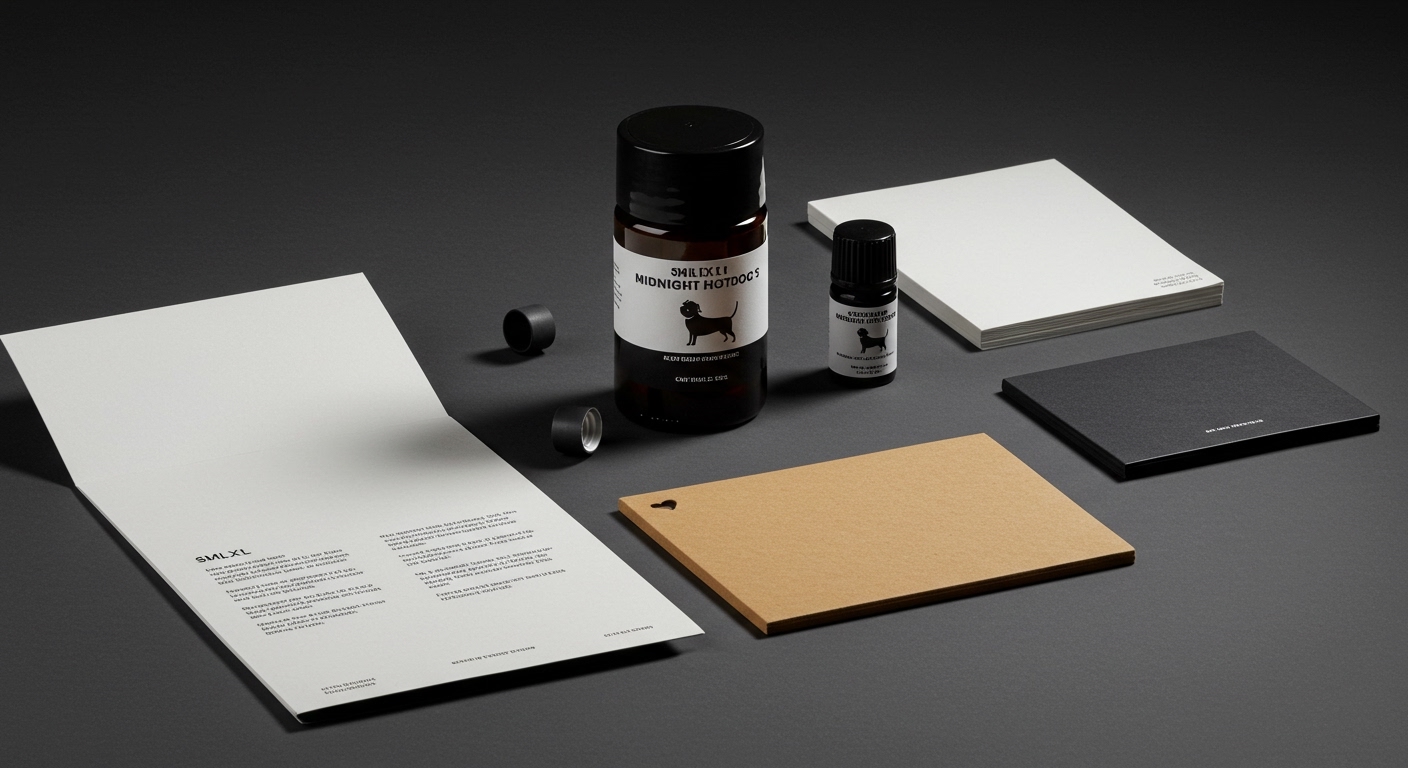
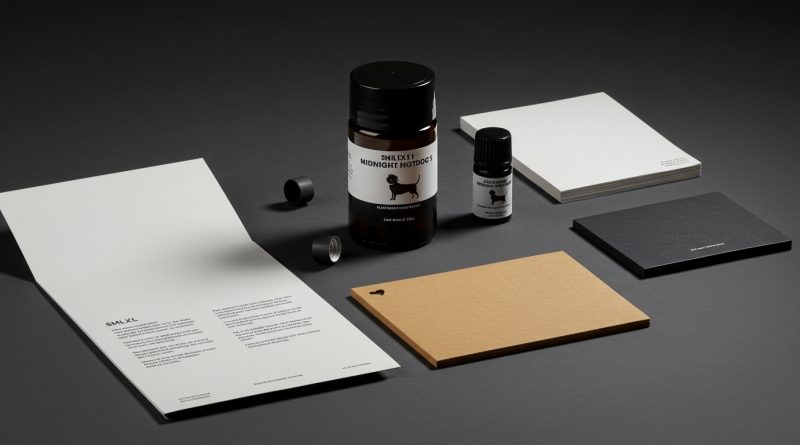
SMLXL’s joyful designs for Midnight Hotdog’s ‘dog fur mist’ included an ingenuously earwormish jingle.
This detailed attention to a niche product highlights a pattern where design intelligence is being applied with equal rigor across projects of vastly different scales and market segments. The common thread is a profound commitment to crafting deeply considered and culturally resonant brand identities, irrespective of whether the client is a global telecom like Lebara or a local seafood spot such as Ray’s. These projects demonstrate that strategic depth and creative ingenuity are no longer exclusive to household names, but are increasingly seen as essential for any entity seeking distinct market positioning and enduring brand equity.
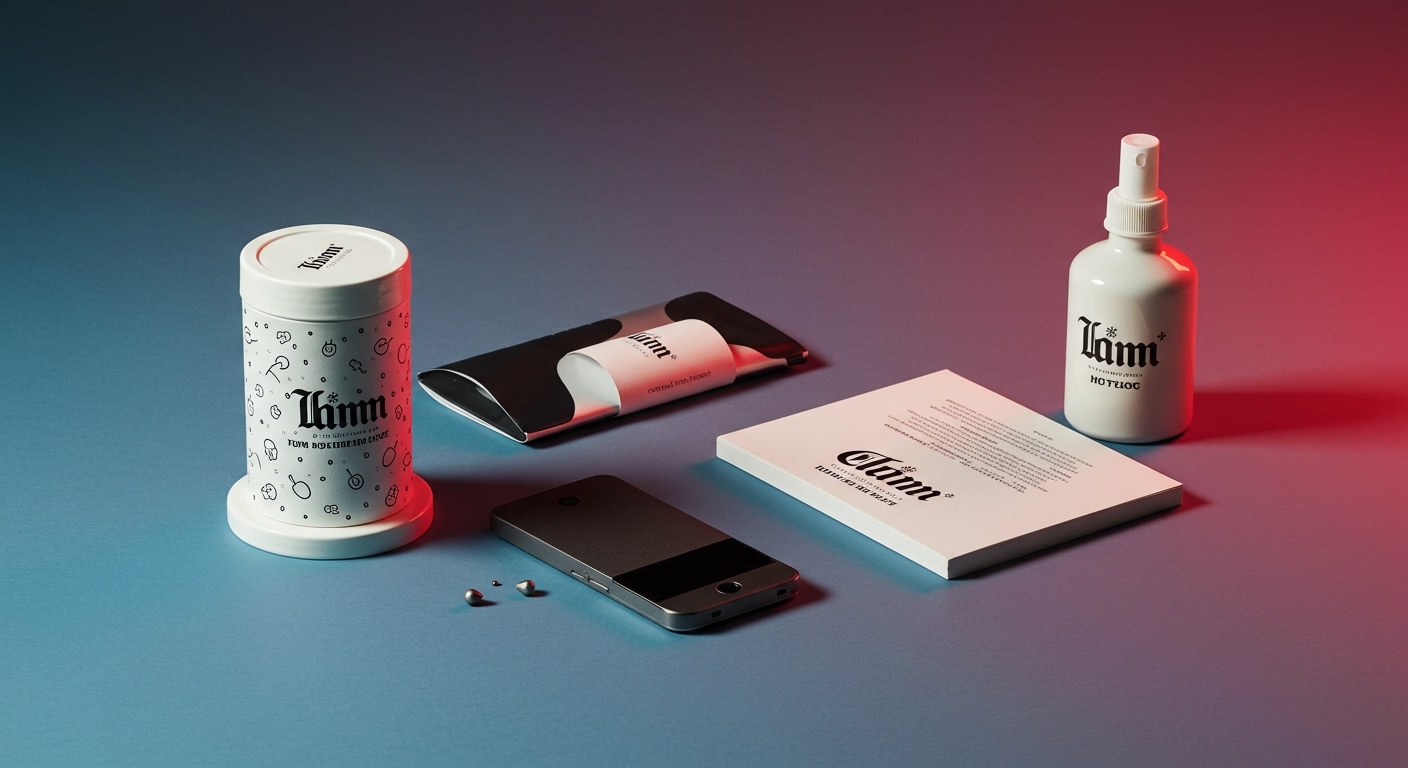
Base Design’s work for Ray’s, a smalltown ’80s seafood spot, exemplifies this trend by lavishing the same respect and craft typically reserved for world-renowned institutions. This contradicts the mainstream industry opinion that the primary value of a branding project is directly proportional to the client’s market size or global reach. Instead, the real measure of a brand’s health and future relevance lies in its ability to forge authentic, specific connections and build fervent communities around its core identity. Brands like Ray’s, through meticulous design, can become cultural anchors in their specific contexts, generating equity that is more resilient and meaningful than broad, diluted mass appeal. This commitment to detail for culturally specific clients suggests that by early 2028, leading global agencies will predominantly showcase such hyper-niche or local projects in their primary portfolios, valuing the demonstrable craft over sheer client scale.
The very structure of conventional agency business models, which often prioritize large retainers and scalable solutions for global corporations, resists this shift. Procurement departments, seeking quantifiable ROI and established track records with multinational clients, inadvertently steer away from the intensive, individualized brand building that these smaller, culturally rich projects demand. This institutional inertia forms the primary opposing force to the growing recognition of specialized, deep-dive branding.
A working branding professional should dedicate time this week to deconstruct how specific cultural signals are meticulously translated into visual identity systems for niche brands. For instance, analyze how How & How used a smart, bright collage-based approach to overhaul Bristol Dockyards, or the specific aesthetic choices Herman-Scheer made for Stash herbal tea. Identify the granular details that contribute to a brand’s unique narrative and how these specific cues resonate within their intended communities, rather than focusing solely on broad market trends.
TL;DR
Deep, culturally specific brand development for niche entities is emerging as a powerful driver of brand equity and cultural resonance.
Curated References
About this editorial — This piece was developed using AI-assisted research and curation across multiple industry sources. All analysis, opinions, and predictions represent the editorial perspective of JHDD. Sources are linked in the references section above.