Julian’s UI UX Insight — 2026.06.03

Our digital lives are being silently sculpted by invisible hands.
The relentless pursuit of frictionless interaction is no longer a mere design goal; it’s a fundamental requirement for user engagement in an era saturated with choice. Every pixel, every animation, every default setting plays a critical role in shaping user psychology. We are navigating a landscape where even the subtlest nudge can lead to a profound outcome, influencing decisions with an almost subconscious gravity. This is particularly true for accessibility, where removing barriers means anticipating diverse needs before they are even articulated, and for micro-interactions, those fleeting moments of feedback that build trust and delight. In this complex ecosystem, understanding the deep-seated cognitive biases that govern user behavior is paramount to creating experiences that are not just usable, but truly intuitive and empowering.

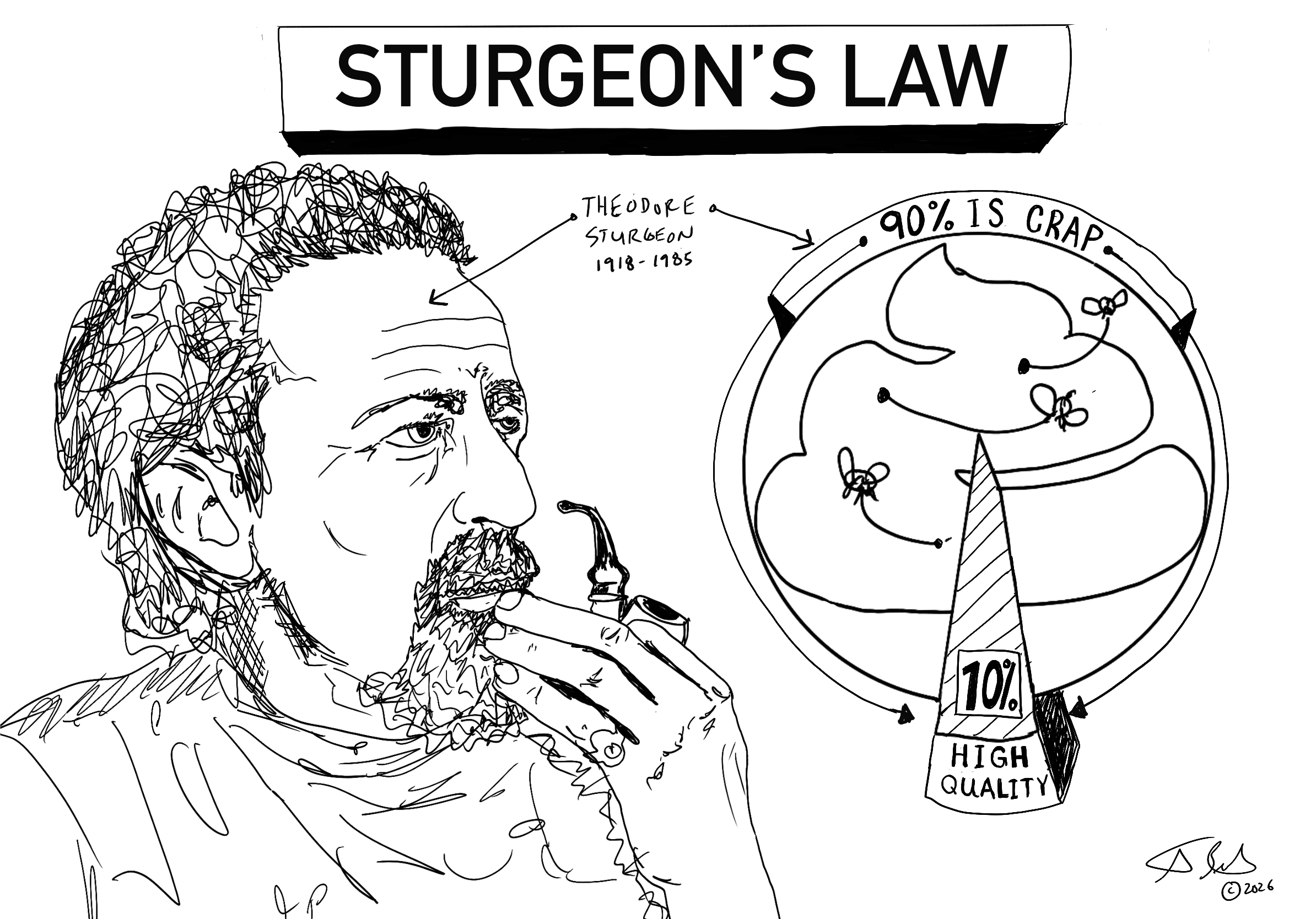
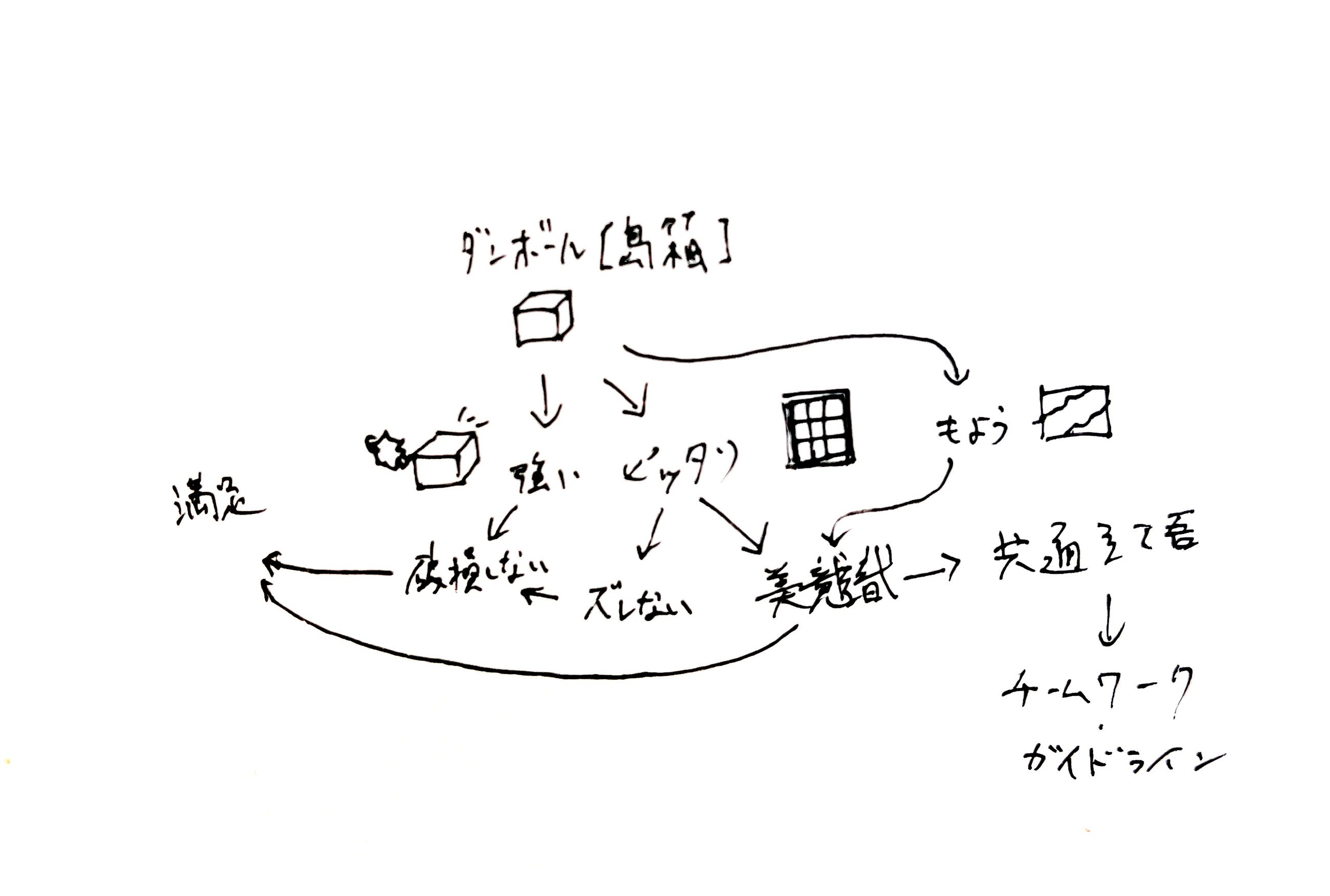
The notion of ‘taste’ in design is undergoing a seismic shift. Once a closely guarded, often ineffable quality residing solely within the designer’s mind, it is now being reframed as a tangible asset to be articulated and shared. This evolution, championed by the idea that “the most important part of building your taste is to hand it off,” recognizes the inherent limitations of individual perspective. When taste remains internal, it becomes a bottleneck, stifling collaboration and diluting the potential impact of a product. The danger lies in the assumption that our implicit understanding of good design can be directly translated into team actions. Instead, the emphasis is shifting towards explicit documentation, clear articulation, and shared frameworks, ensuring that the principles underpinning effective design permeate beyond the individual. This makes sense, especially when considering the burgeoning capabilities of AI. While AI excels at processing vast amounts of data and identifying patterns, it still relies on human-defined taste and intent to guide its output. The news item “AI meets Sturgeon’s Law” aptly points out that more AI-generated content doesn’t necessarily translate to higher quality, highlighting the need for human discernment and curated taste to elevate AI’s contributions.
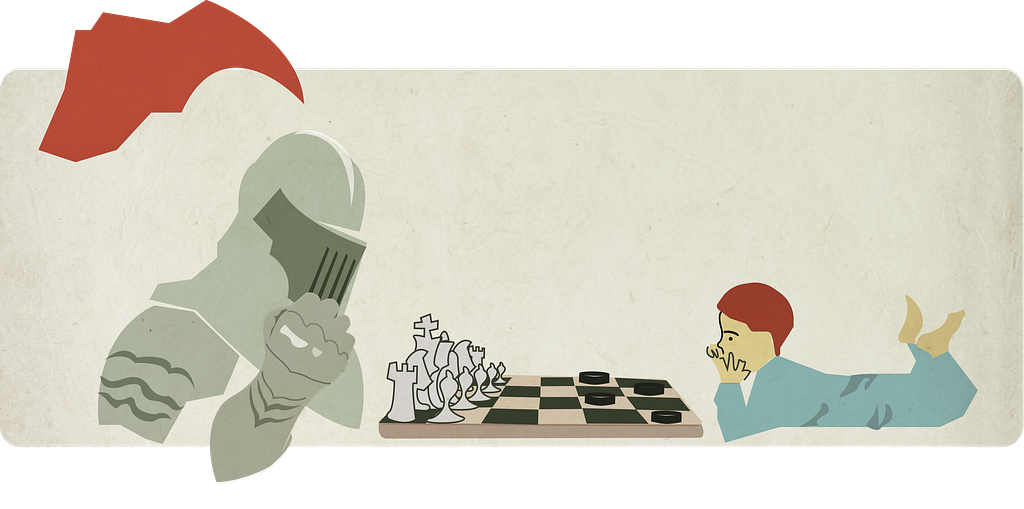
However, this democratisation of design thinking runs headlong into the insidious power of default bias. We are simultaneously striving for elegant, intuitive interfaces and grappling with the reality that users often passively accept pre-selected options. The “Default Bias” piece starkly illustrates how the cognitive load of evaluation, coupled with loss aversion and implied endorsement, creates a powerful gravitational pull toward the status quo. This tension is palpable: as designers work to present sophisticated, nuanced choices, they must contend with a user tendency to stick with the path of least resistance. This is particularly relevant in AI interactions, where the default settings of AI tools, or the default framing of a prompt, can profoundly influence the outcome, echoing the “register shift” concept of designing for the gap between conversation and delegation. The foreman, guardian, team builder metaphor from the moving company box item is a poignant reminder of how even seemingly minor, default decisions made by a few can have long-lasting, wide-reaching consequences for many.
The future of UI/UX will be defined by designers who master the art of explicit intention, not just implicit intuition. They will move beyond simply creating frictionless experiences to actively architecting “friction that matters,” intentionally guiding users through complex choices by making the reasoning behind defaults transparent and easily modifiable. Designers will become choreographers of cognitive load, anticipating where users might benefit from a gentle nudge and where they require unfettered exploration, using AI as a powerful co-pilot that amplifies, rather than dictates, human-centric design principles.
TL;DR
Design’s future hinges on translating intangible taste into explicit guidance for both humans and AI, while actively mitigating the pervasive influence of default bias.