Julian’s Packaging Insight — 2026.06.15
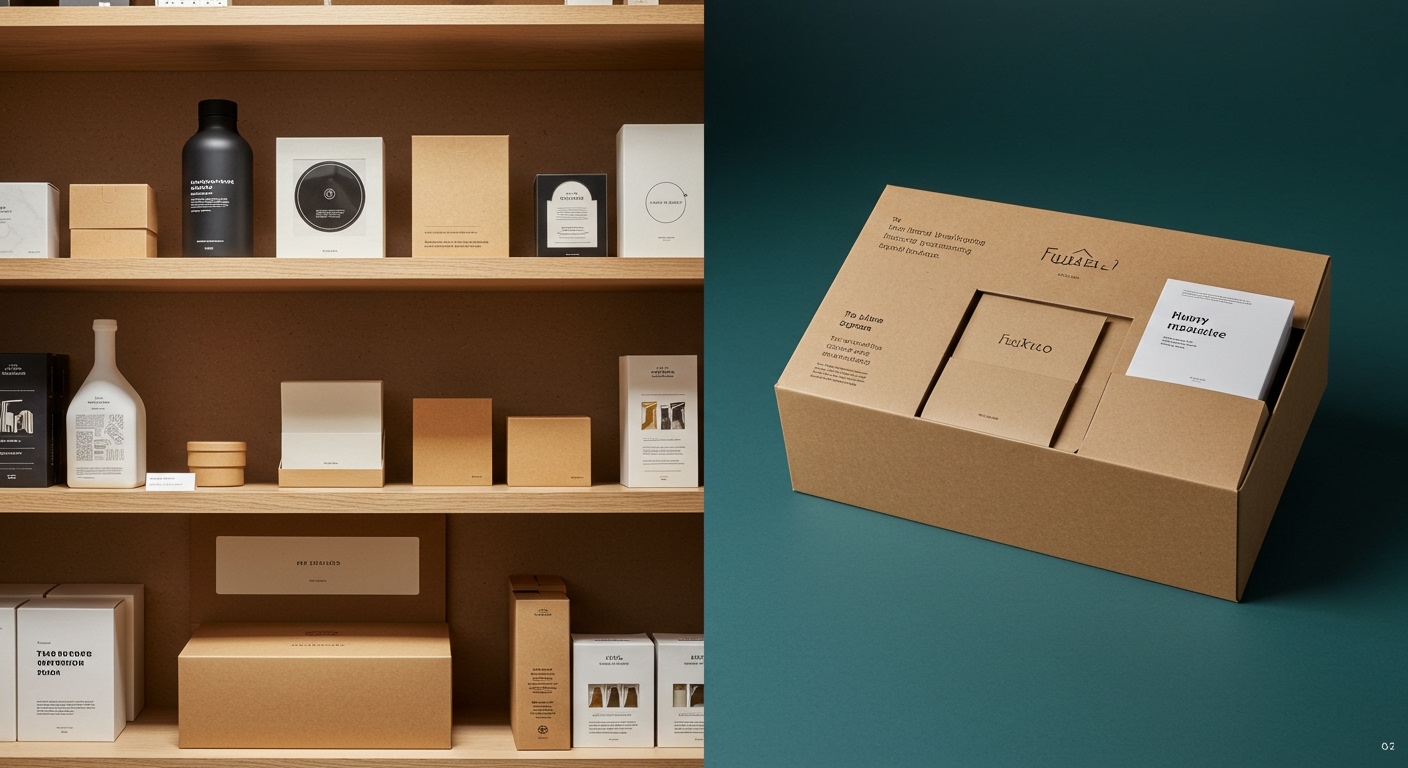
The ultimate unboxing is no longer a surprise; it’s a carefully orchestrated sensory handshake.
In an era where shelf space is a battleground and digital fatigue is a constant, packaging has ascended beyond mere containment to become a critical conduit for brand narrative and consumer engagement. The unboxing experience, once a fleeting moment of delight, is now a meticulously designed journey, a tactile preamble to the product itself. This is particularly urgent as brands grapple with the dual demands of sustainable materials and arresting shelf impact. Consumers, increasingly aware of their environmental footprint, seek packaging that is not only responsible but also intuitively communicates this commitment. Simultaneously, the digital deluge necessitates physical touchpoints that cut through the noise, demanding packaging that is not only seen but felt, where texture, form, and even the subtle nuances of material choice forge an indelible tactile brand impression. The convergence of these pressures elevates packaging from a functional necessity to a strategic imperative, shaping perception, driving desire, and solidifying loyalty.
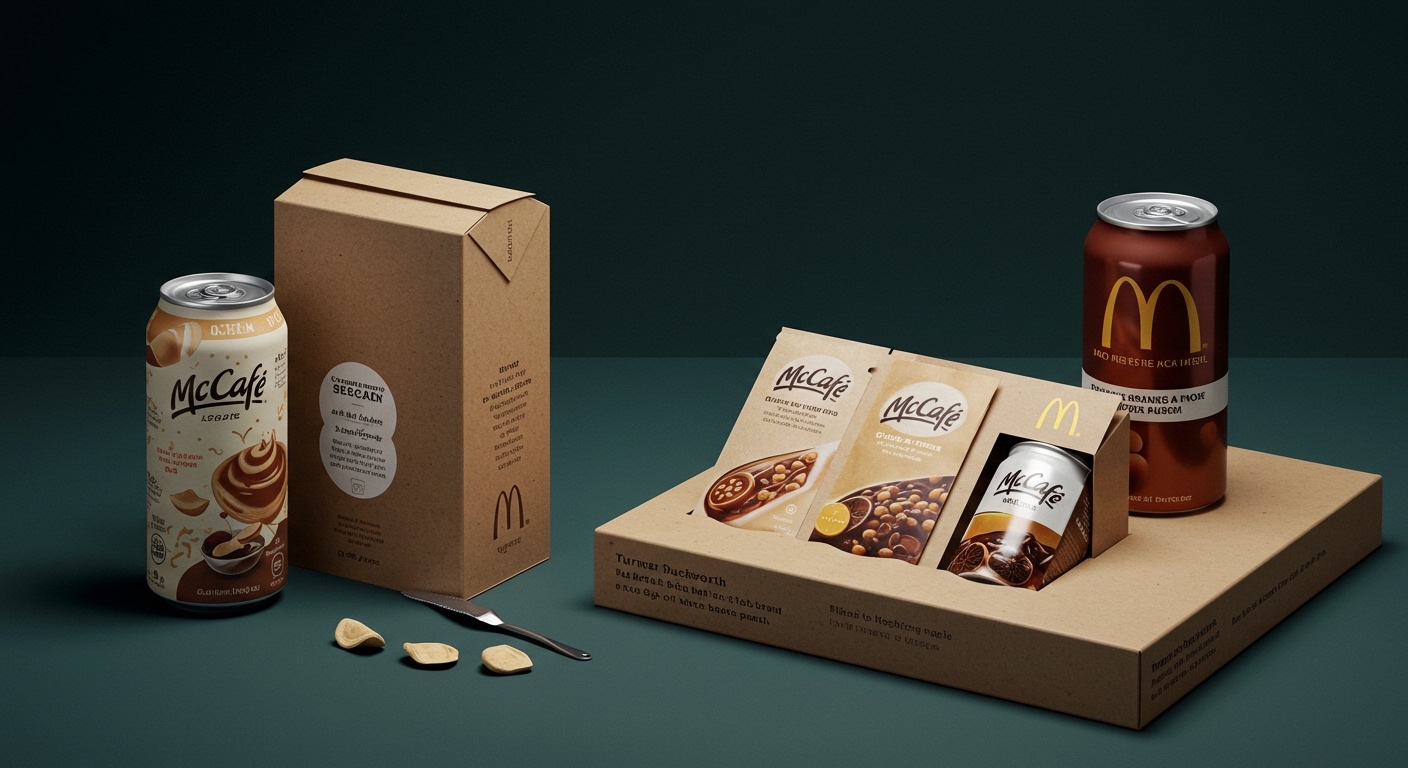
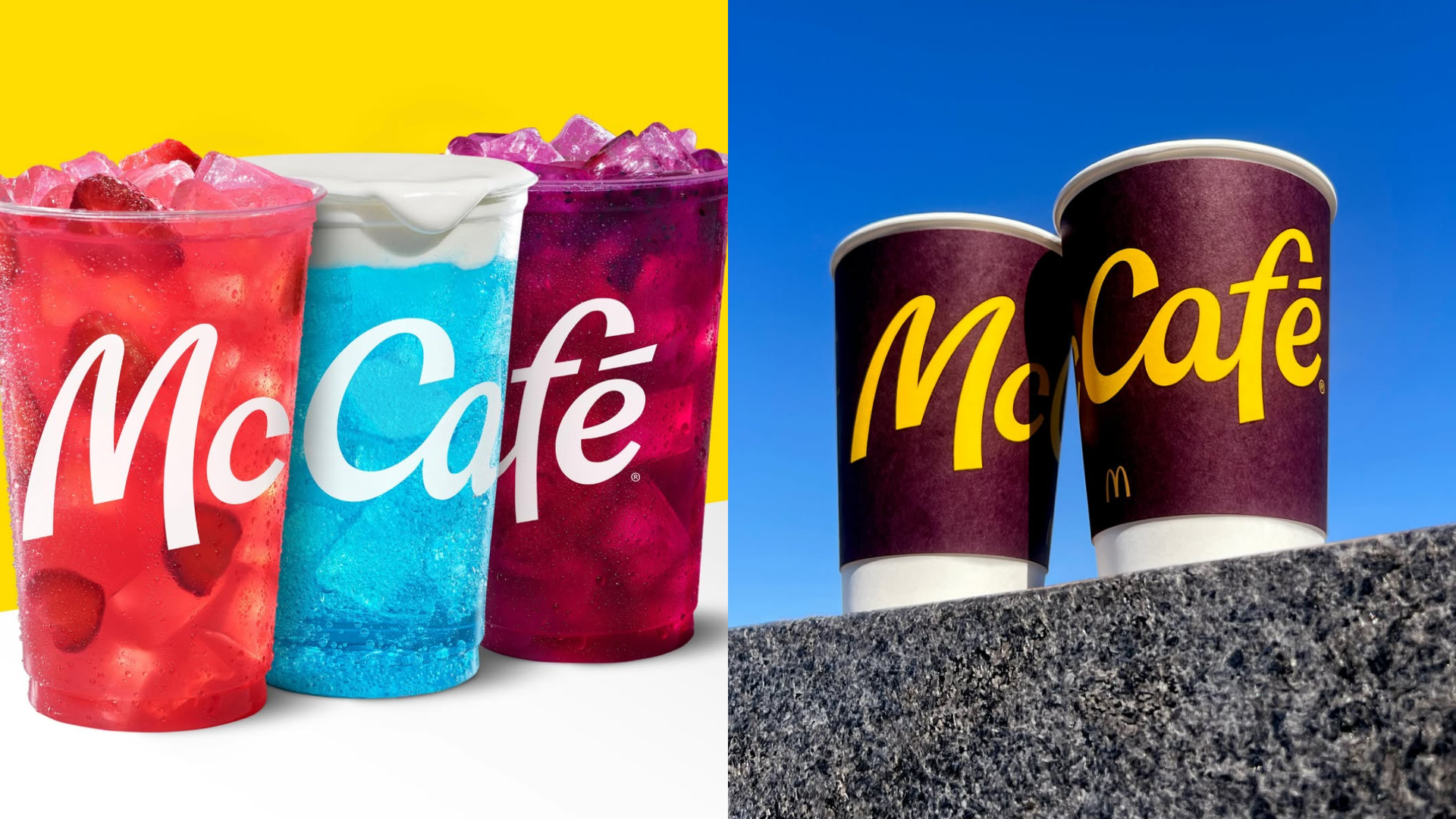
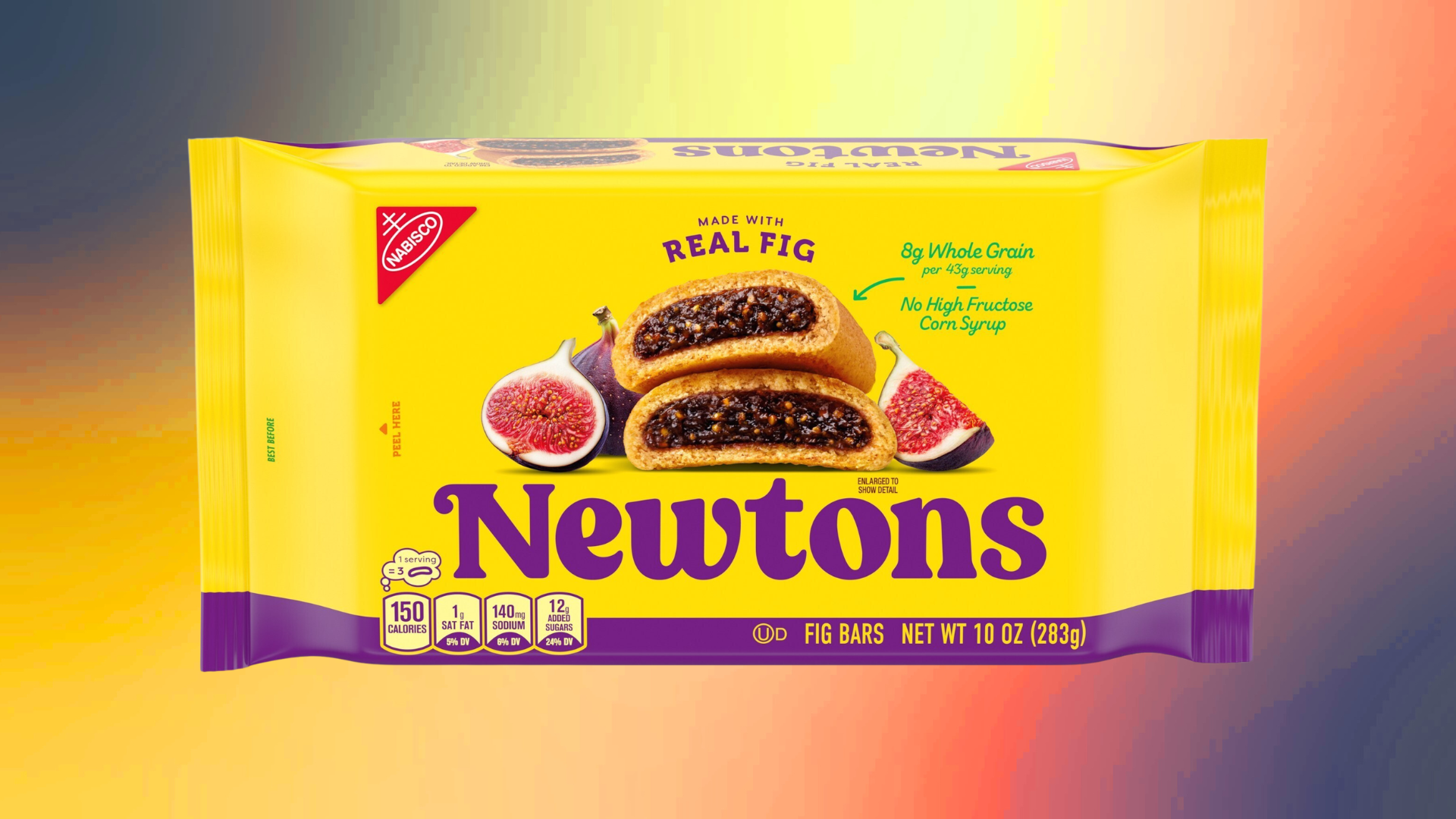
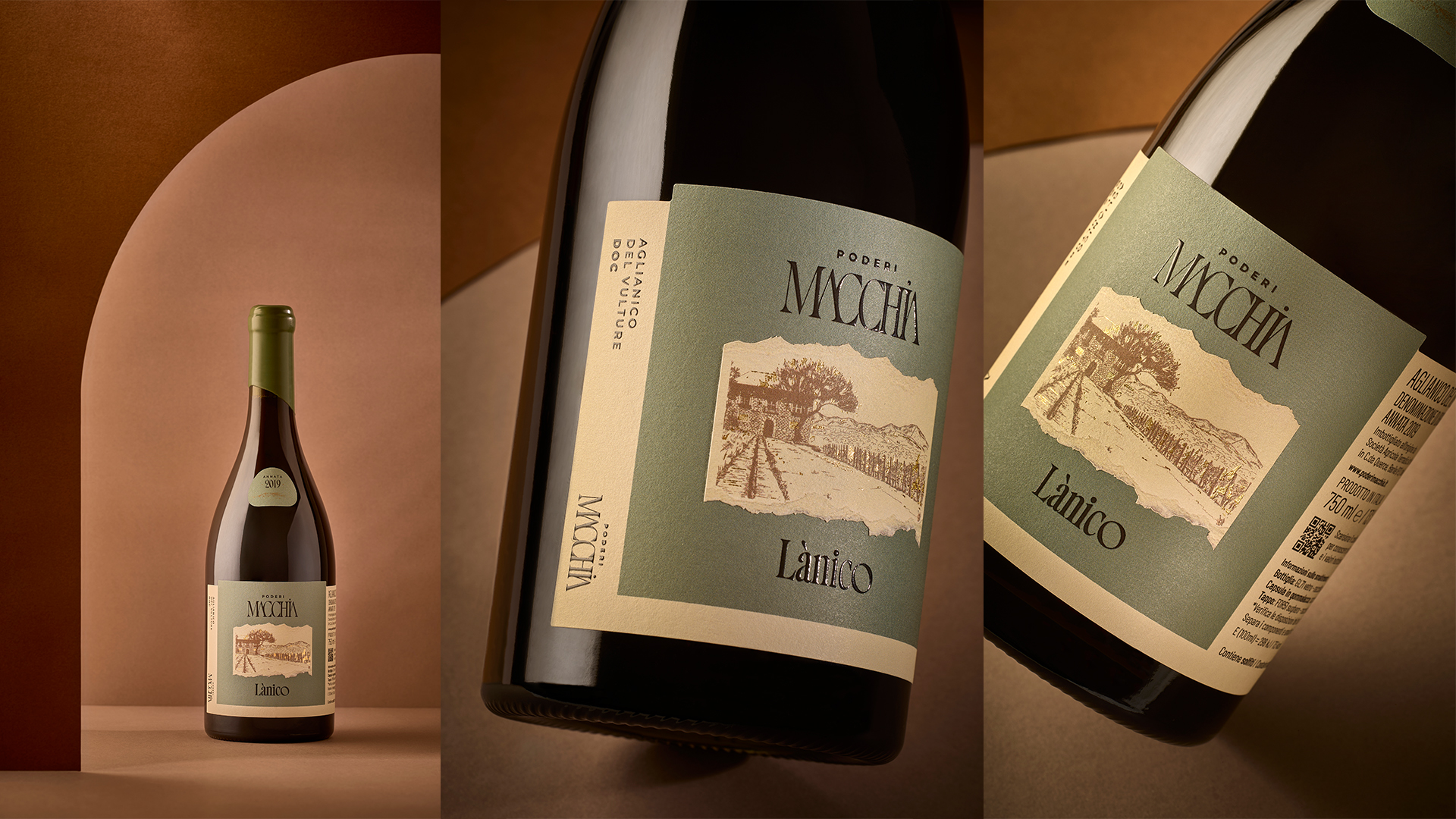
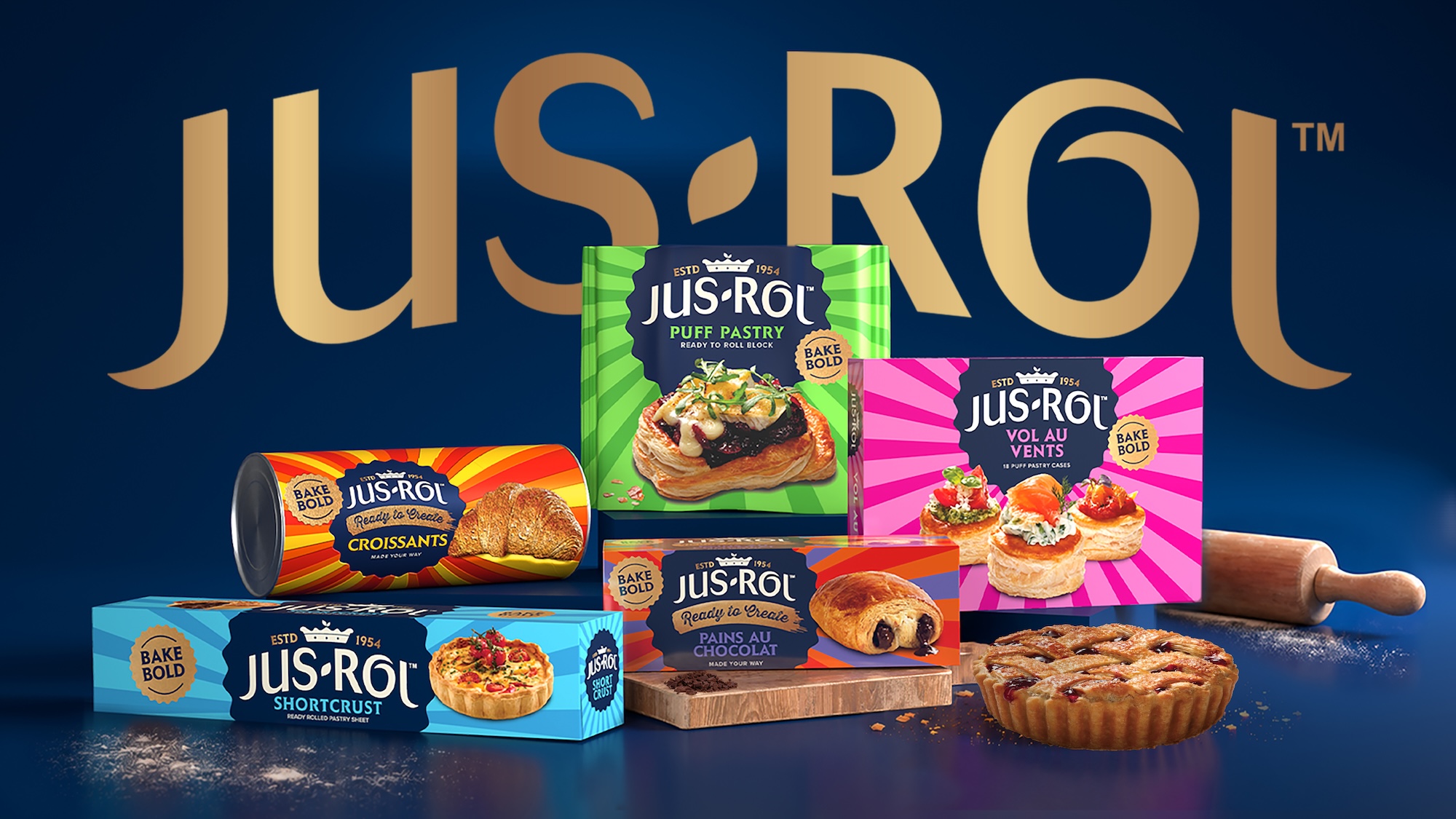
The recent wave of packaging innovation reveals a sophisticated maturation of these principles. Turner Duckworth’s refresh of McCafe demonstrates a keen understanding of brand equity, subtly evolving familiar visual cues into a modern, appealing identity that signals beverage sophistication. Similarly, Mondelez’s reimagining of Fig Newtons, with its contemporary wordmark and bold, appetizing visuals, targets a younger demographic by shedding nostalgic constraints and embracing a fresh, vibrant aesthetic. This speaks to a broader trend of brands excavating their heritage not to ossify it, but to reimagine it for contemporary relevance, understanding that familiarity can be a powerful springboard for reinvention. Meanwhile, Poderi Macchia’s wine packaging is a masterclass in rooted design, where the volcanic landscape directly informs the tactile and architectural qualities of the labels. The diamond shapes and arch motifs are not mere ornamentation; they are a physical manifestation of terroir, offering a deeply resonant sensory experience. Jus-Rol’s rebrand, by Brandon, also embodies this, injecting a much-needed vibrancy and sophistication into a familiar product, aligning its visual presence with its perceived quality.
However, the most compelling narrative emerges from Coca-Cola’s FIFA World Cup collectible cans. This initiative brilliantly juxtaposes global unity with individual expression, employing a common design framework that then explodes into 18 distinct, covetable designs. By referencing the visual language of iconic soccer jerseys, Coca-Cola taps into a shared cultural passion, creating not just packaging, but a tangible piece of sporting history. Each can becomes a micro-artifact, encouraging collection and fostering a sense of personalized connection within a mass-market offering. This is packaging as fandom facilitator, transforming a disposable item into an enduring memento. The overarching theme is clear: brands are leveraging packaging to create deeper, more resonant connections, whether through modernizing heritage, celebrating place, or igniting cultural participation.
The inherent tension lies between the imperative for widespread, sustainable production and the growing demand for hyper-personalized, artisanal tactile experiences. How does a brand like Coca-Cola, with its global reach and environmental commitments, reconcile the need for mass appeal with the individual collector’s desire for unique, tactile artifacts? Conversely, how can a small winery like Poderi Macchia, which excels in bespoke tactile finishes, scale its operations without diluting the very essence of its carefully crafted sensory narrative? This is the paradox of the contemporary packaging landscape: the pursuit of both mass market accessibility and intimate, singular touch.
Within the next five years, brands will introduce proprietary scent-infused packaging for everyday consumables, directly linking olfactory cues to product recall and brand identity in a universally accessible, yet deeply personal, way.
TL;DR
Packaging is now a multi-sensory brand ambassador, balancing sustainability with sophisticated tactile experiences and cultural resonance.