Julian’s Packaging Insight — 2026.06.09
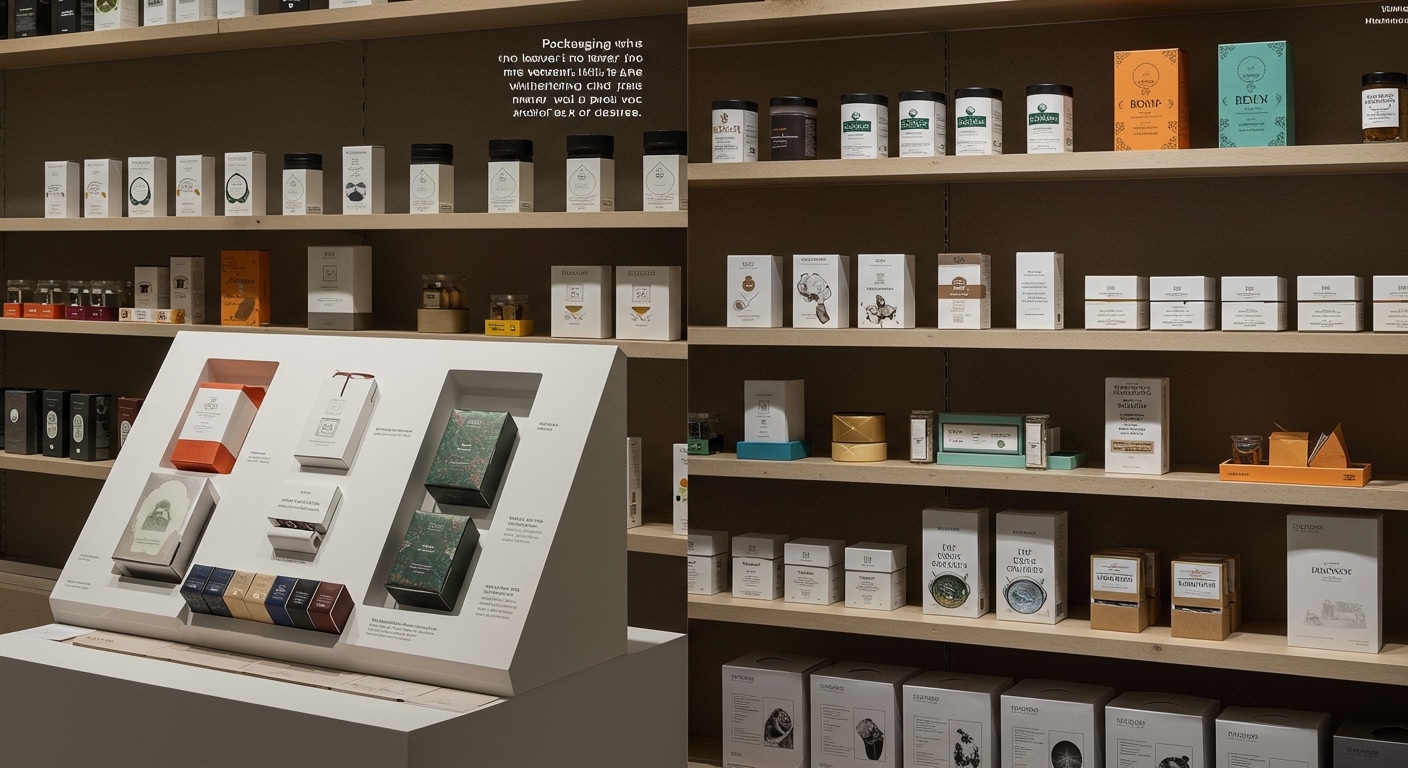
Packaging is no longer a mere vessel; it is a whispering architect of desire.
In an era where digital saturation demands a physical grounding, the unboxing experience has ascended from a functional necessity to a paramount ritual. Consumers, bombarded with ephemeral online content, crave tangible interactions, a sensory anchor that solidifies brand connection. This is where packaging’s triumvirate of sustainable materials, impactful shelf presence, and nuanced tactile branding becomes not just advantageous, but essential. The urgency is palpable: brands must translate their values into physical form, offering not just a product, but an experience that resonates with conscious consumption and discerning aesthetic appreciation. From the initial encounter on a crowded shelf to the lingering touch of a thoughtfully crafted surface, every element of packaging is a direct communication, a silent negotiation for attention and loyalty.
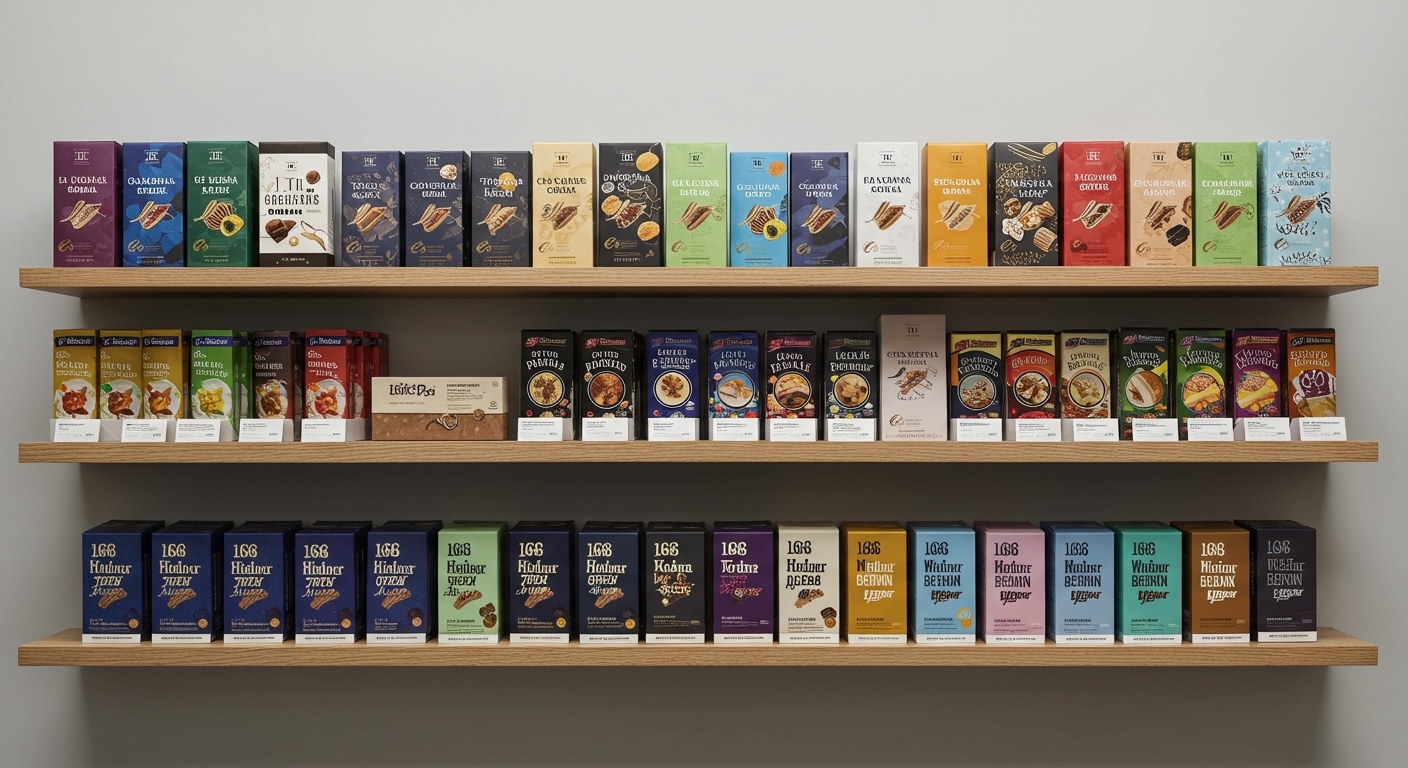
The prevailing winds indicate a powerful convergence of artistic expression and deliberate materiality within packaging. The AGI Open’s audacious use of chocolate bar wrappers as a canvas for 100 design titans demonstrates a radical elevation of a commonplace item into a collectible art piece, blurring the lines between product packaging and curated object. This is mirrored in the meticulous, almost monastic, approach of Sowvital, where Leslie David Studio eschews overt printed graphics in favor of deeply considered blind embossing. The botanical cartouche, unique to each scent, rendered on textured board, transforms a candle box into a tactile sculpture, a testament to the power of subtle, yet profound, textural storytelling. Meanwhile, NON STOP’s drip coffee packaging transcends utilitarian function, reinterpreting the Chinese Zodiac as fluid, Matisse-inspired silhouettes. This elevates a daily consumable into a collectible art object, challenging the very notion of what product packaging can and should be. Aaron Paul’s vision for Dos Hombres Tequila underscores the fundamental principle that the bottle itself is the primary ambassador, a narrative vessel designed to evoke emotion and establish identity from the first glance. These diverse examples paint a picture of a design landscape where packaging is not an afterthought, but a deliberate protagonist in the brand narrative.
The tension lies between the escalating demand for sophisticated, multi-sensory brand experiences, and the increasing pressure for cost-efficiency and rapid production cycles. While brands like Sowvital invest in intricate embossing and designers transform everyday wrappers into fine art, others grapple with the sheer volume of new product launches, some of which appear to be mere extensions for relevance rather than genuine brand synergy, as evidenced by the proliferation of unexpected product diversifications. The inherent contradiction is that the very elements that create impactful, lasting brand impressions – bespoke materials, artisanal techniques, artistic collaboration – often require more time and resources, potentially clashing with the agile, trend-driven market that necessitates constant innovation and broad product portfolios.
By 2028, expect to see packaging materials themselves become dynamic storytelling agents, embedding subtle, haptic technologies that unlock augmented reality content or provide personalized sensory feedback upon touch, seamlessly merging the physical product with a rich, interactive digital dimension.
TL;DR
Packaging’s evolution from container to experience is driven by tactile artistry and material innovation, pushing brands towards a new era of sensory storytelling.


