Julian’s Packaging Insight — 2026.06.05
The most profound tactile experiences are no longer just found within the product, but in its very enclosure.
The contemporary packaging landscape is a battleground of sensory engagement and environmental responsibility, demanding immediate attention from both consumers and designers. In an era saturated with digital stimuli, the physical touchpoint of packaging has become a critical differentiator, particularly as the unboxing experience evolves from a mere reveal to an elaborate performance. This heightened expectation places immense pressure on brands to imbue their packaging with an unforgettable tactile narrative, leveraging materials that not only convey sustainability but also communicate luxury, heritage, or innovation. Shelf impact, once dictated by sheer visual volume, is now more subtly influenced by the quiet confidence of a well-crafted package, one that whispers of quality through its texture, weight, and precise construction. Tactile branding, therefore, moves beyond logo placement to embody the very essence of the brand through the material science and engineering of its container, aligning desirability with ecological consciousness.
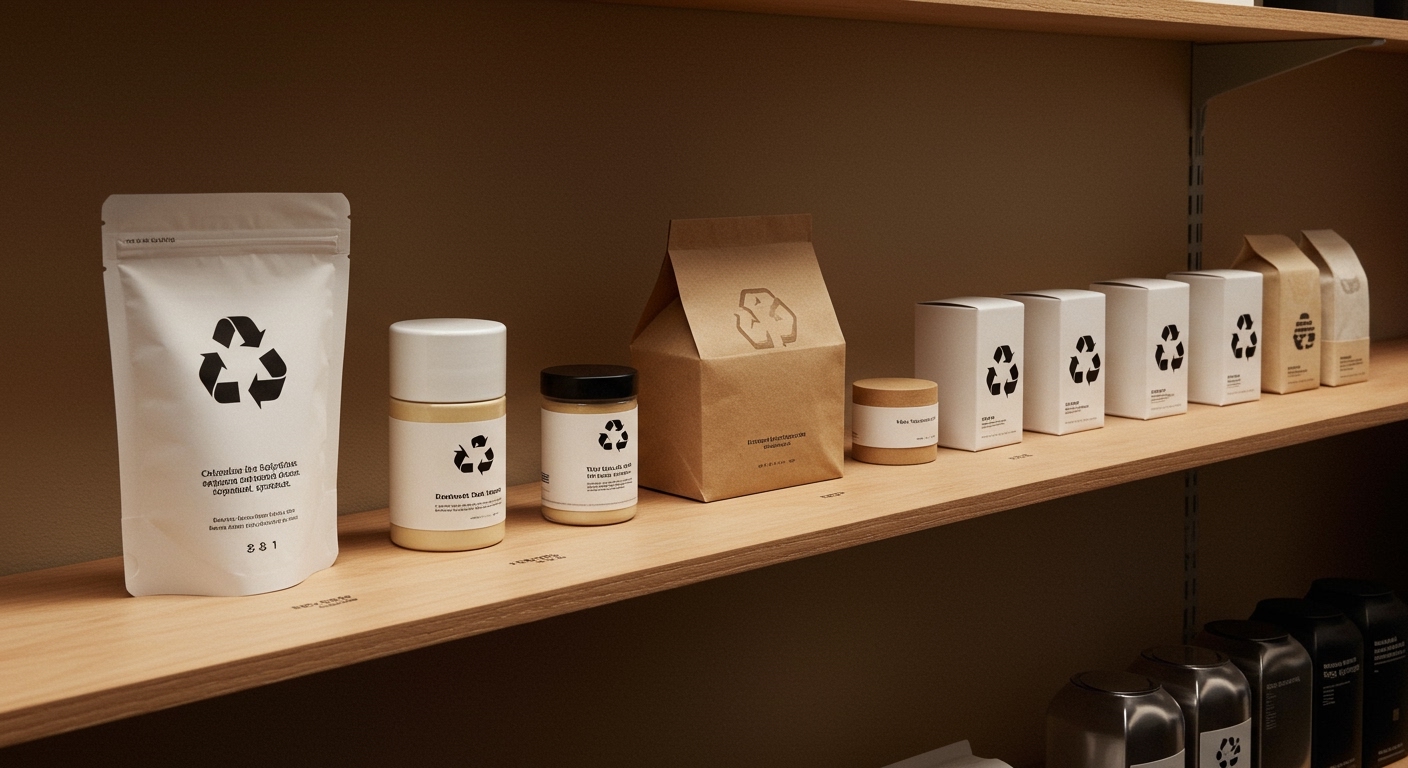
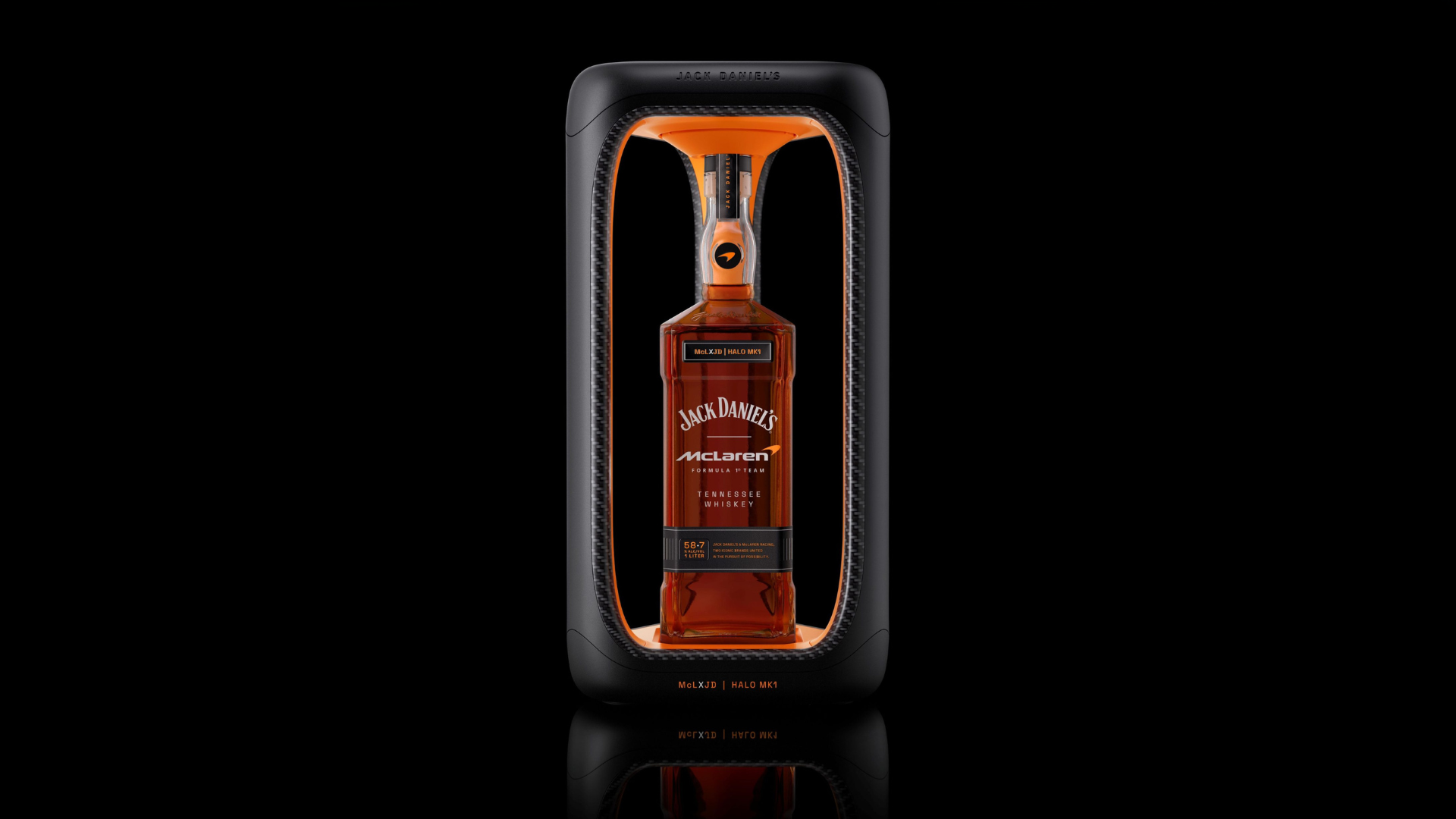
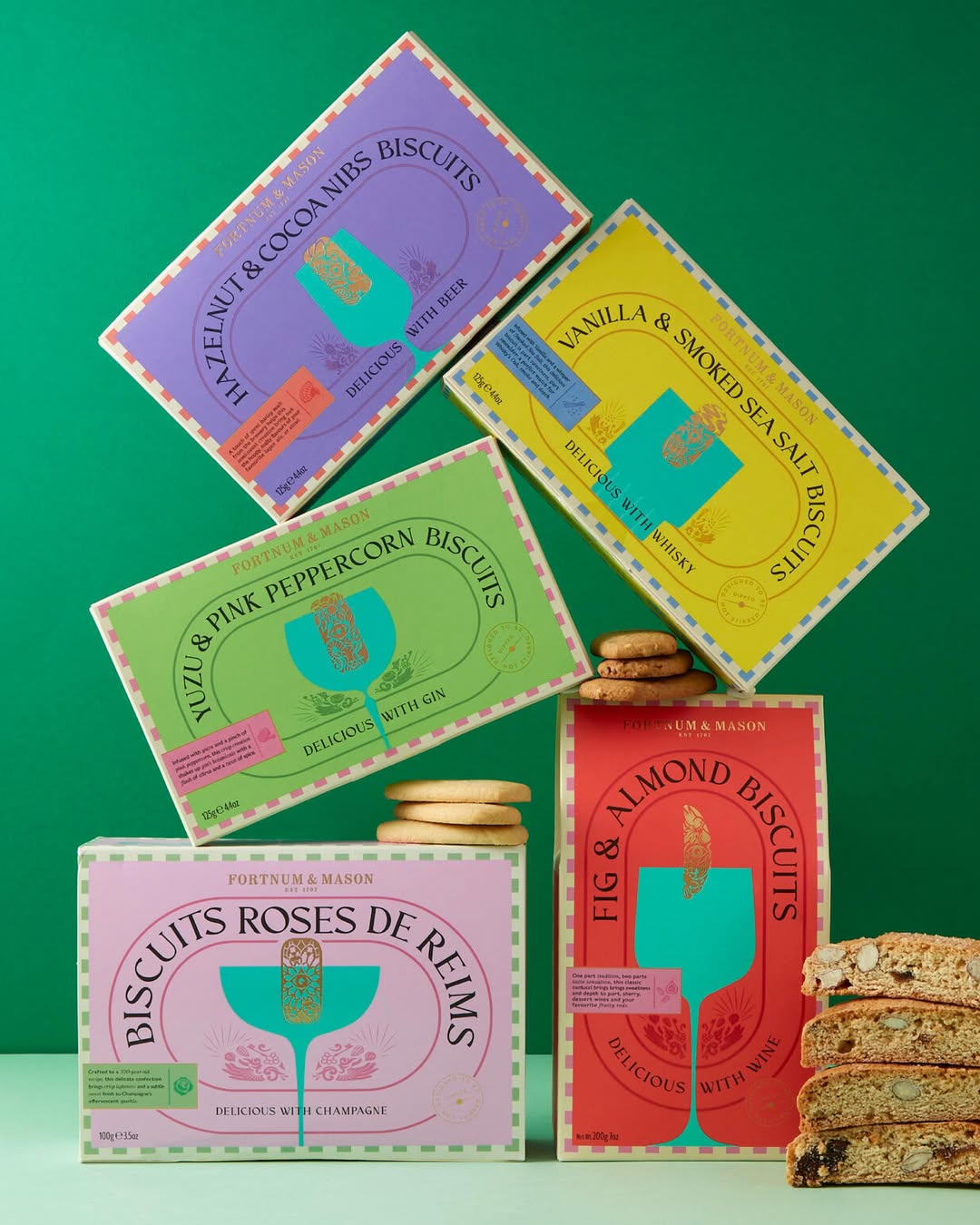
The news highlights a fascinating bifurcation in packaging strategy. On one hand, the urgent need for circularity is being addressed with pragmatic innovation, as evidenced by Epigrama’s new “Reuse” symbol. This isn’t just a graphic redesign; it’s a visual manifesto for a systemic shift, a clear signal that the lifecycle of packaging is being re-evaluated beyond the current dominant recycling paradigm. It champions a more intentional consumption pattern, acknowledging that the most sustainable material is often the one already in circulation. Juxtaposing this is the unabashed celebration of premium craftsmanship and engineered delight. The Jack Daniel’s x McLaren collaboration, with its F1-inspired acoustic release and carbon fibre textures, exemplifies packaging as an experience unto itself, a miniature engineering marvel designed to elevate the ritual of consumption. This approach, while seemingly at odds with pure sustainability, speaks to a powerful consumer desire for exclusivity, precision, and narrative. Fortnum and Mason’s “Whoppalossus” tin, with its intricate illustrations and circus-themed typography, further underscores the power of visual storytelling and artisanal detail in creating enduring appeal, demonstrating that a biscuit tin can be a cherished object of art. Even the seemingly simple act of brewing a historical beer recipe, as seen with Talea and the New York Public Library, becomes a packaging opportunity, where the vessel for this “small beer” must evoke authenticity and narrative depth, hinting at the potential for packaging to become a vessel for historical reenactment and cultural dialogue. Photography, as a “secret weapon,” acts as the crucial connective tissue, translating these tactile and conceptual narratives into compelling visual language that resonates across all touchpoints, from the shelf to the social media feed, ensuring the physical experience is effectively communicated and amplified.
The tension lies between the imperative for radical resource efficiency and the growing appetite for extravagant, engineered consumer experiences. Brands are caught between the environmental necessity of dematerialization and the marketing allure of opulent, multi-component packaging designed for maximum unboxing theatre. This presents a significant challenge: how does one create packaging that is both profoundly sustainable, minimizing waste and maximizing recyclability or reusability, and simultaneously delivers the kind of high-impact, sensory-rich experience that commands premium pricing and consumer devotion? The “Reuse” symbol advocates for a mindful reduction in material consumption, while the F1-inspired whiskey box celebrates complex engineering and a wealth of specialized materials. The question is whether these two seemingly disparate paths can converge, or if brands must ultimately choose which imperative to prioritize, potentially alienating segments of their audience.
Within the next five years, the most disruptive packaging innovations will emerge not from entirely new materials, but from the intelligent integration of existing, sustainable substrates with sophisticated digital fabrication and augmented reality layers, creating a truly dynamic tactile and informational interface.
TL;DR
Packaging is evolving into a high-stakes interplay between eco-consciousness and sensory extravagance, demanding a new synthesis of material science, engineering, and narrative to capture consumer attention.