Julian’s Packaging Insight — 2026.06.03

The most potent unboxing is often found not in ostentatious displays, but in the quiet whisper of heritage.
In an era saturated with ephemeral digital experiences, the tangible realm of packaging has become a crucial battleground for brand engagement. This is not merely about containment; it’s about the immediate, sensory narrative that unfolds the moment a product enters a consumer’s hands. The unboxing experience, once a niche marketing tactic, is now an expectation, a ritual that bridges the gap between desire and ownership. Sustainable materials are no longer a checkbox but a fundamental requirement, resonating with a discerning audience that links environmental responsibility with brand integrity. Shelf impact, the silent salesperson, demands designs that cut through visual noise, communicating value and story at a glance. Crucially, tactile branding, the subtle language of texture, weight, and form, is emerging as a powerful differentiator, imbuing products with a perceived quality and emotional resonance that flat imagery simply cannot replicate.

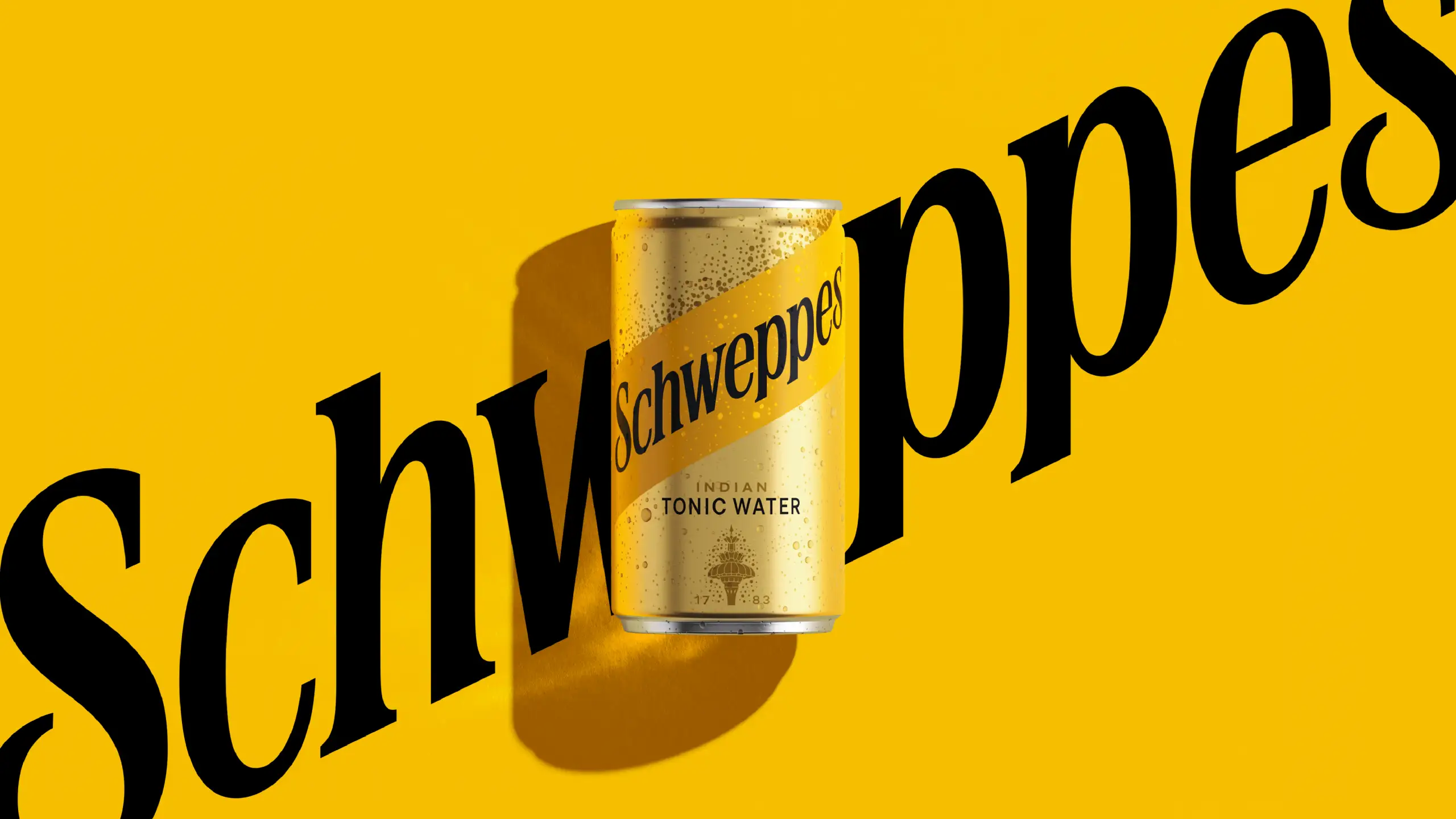
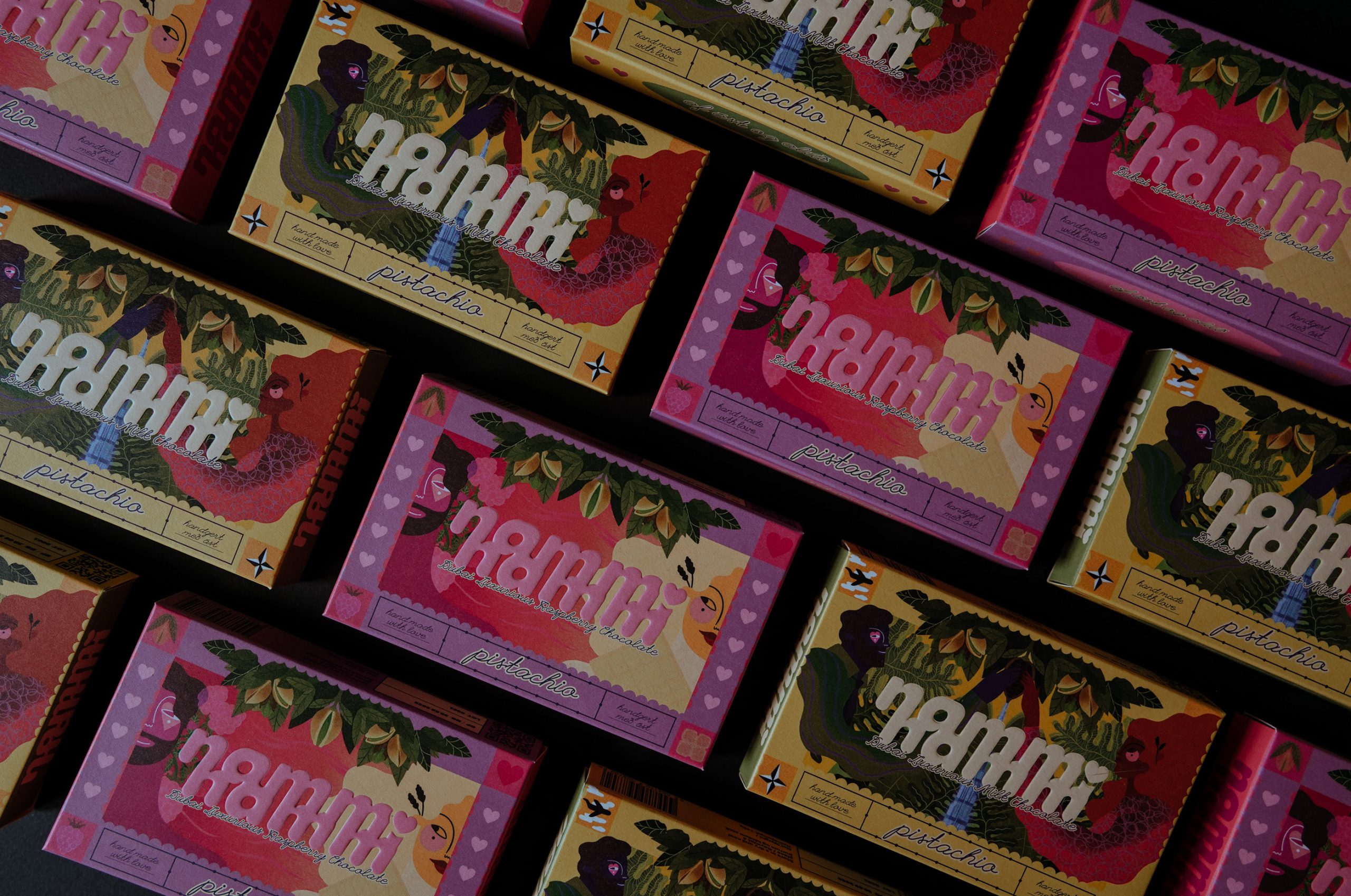
The recent wave of packaging redesigns reveals a fascinating dichotomy: a deep dive into heritage and a bold embrace of illustrative universe-building. JKR’s meticulous revival of Schweppes, excavating centuries of history to imbue the iconic soft drink with a renewed sense of regal provenance, speaks to a desire for authenticity and enduring legacy in a fast-paced world. This approach recognizes that true luxury lies not in fleeting trends but in deeply rooted stories. Contrasting this is the expansive, imaginative approach seen in Nammi’s chocolate identity. Here, the focus shifts from historical preservation to the creation of entirely new visual worlds, transforming each chocolate bar into a collectible artifact within a richly illustrated narrative. Menta’s work for Almarela further champions heritage, grounding the brand in ancestral Mexican roots and the tradition of maíz criollo, demonstrating how packaging can be a potent vehicle for cultural storytelling and the celebration of origin. These examples illustrate a clear trend: brands are leveraging packaging to forge deeper connections, either by anchoring themselves in time-honored traditions or by constructing immersive, imaginative realities.
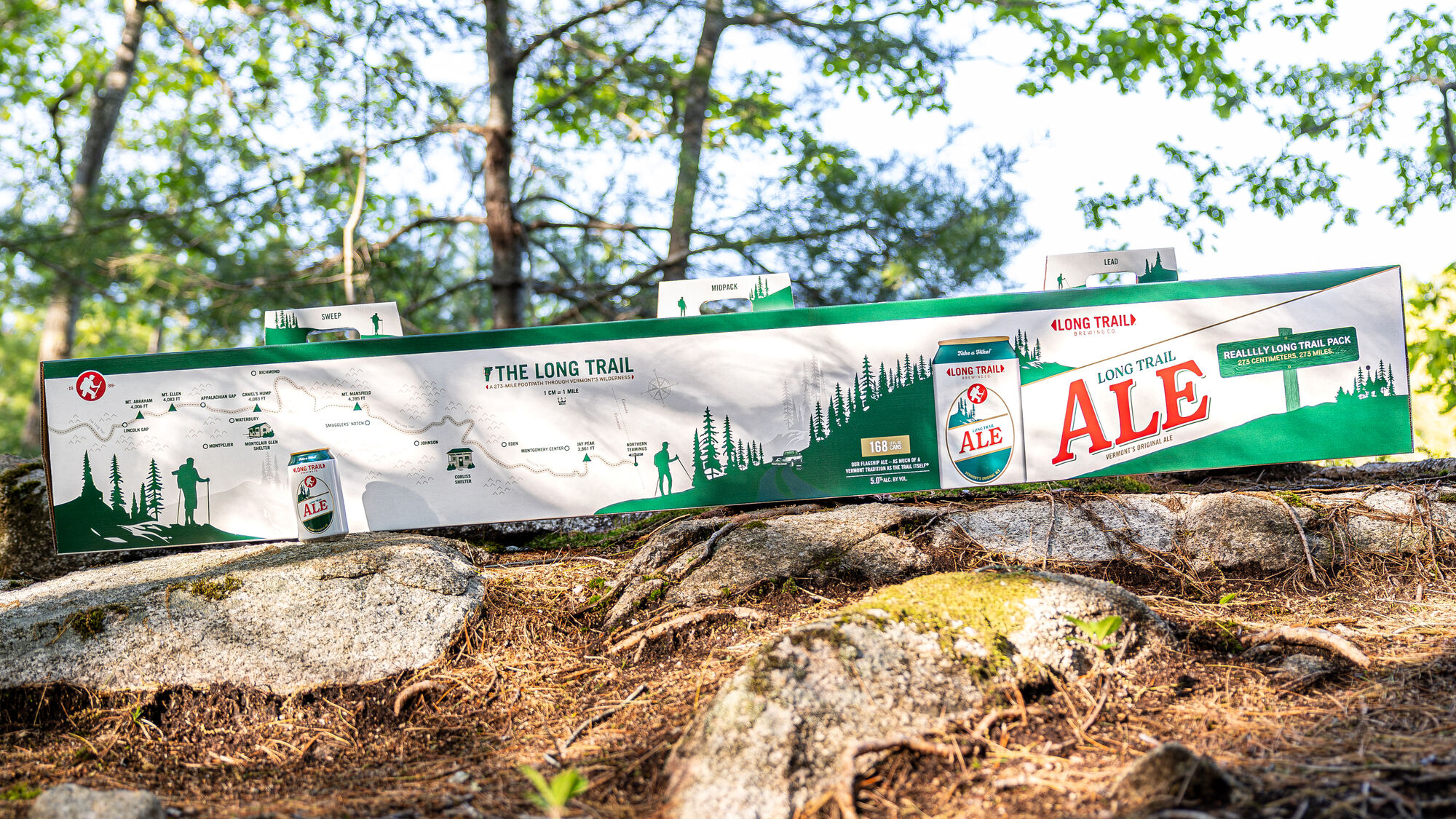
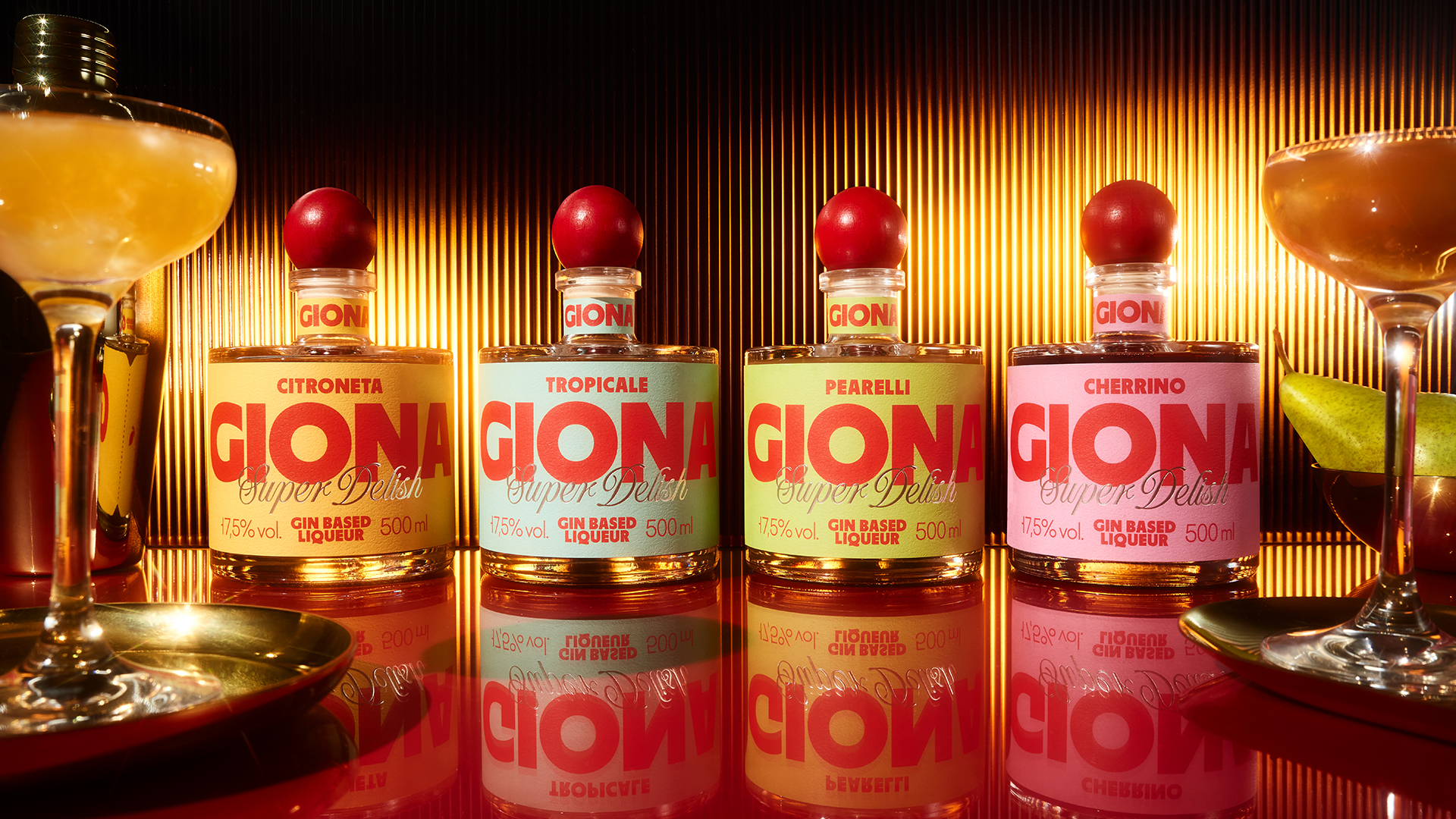
This surge in narrative-driven design is not without its practical considerations. Long Trail Brewing’s ambitious, kilometer-spanning beer pack, while a spectacular feat of illustrative cartography and a testament to regional identity, pushes the boundaries of the functional “pack” into the realm of an experiential art installation. It highlights how brand storytelling can transcend conventional form, offering a playful yet profound engagement with the product’s origin. Similarly, FLOV Studio’s Giona gin liqueur, with its confident use of form, color, and typography, demonstrates that even within the familiar category of spirits, innovative packaging can elevate perceived value and carve out a distinct premium niche. The common thread is a refusal to treat packaging as mere utility; instead, it is an integral component of the brand’s identity and its promise to the consumer.
The tension lies between the preservation of authentic heritage and the creation of entirely novel, illustrative universes as pathways to consumer engagement. One path seeks grounding in the past, drawing authenticity from deep historical roots and ancestral traditions, as seen with Schweppes and Almarela. The other seeks to captivate by conjuring imaginative new worlds, transforming everyday products into portals of escapism and collectibility, as with Nammi. Both approaches aim to build emotional resonance and brand loyalty, but they employ fundamentally different strategies: one reinforces perceived reality through established narrative, the other constructs aspirational realities through pure invention.
Forward-looking brands will cease to see packaging as a static vessel and instead design it as a dynamic, interactive platform for continuous brand storytelling, integrating augmented reality triggers that unlock layered narratives, recipes, and exclusive content, thereby extending the product’s life cycle far beyond its initial unboxing.
TL;DR
Packaging’s evolution from container to narrative engine is accelerating, driven by a dual pursuit of heritage and immersive illustration, with the future embracing interactive, platform-based brand experiences.