Julian’s Interior Insight — 2026.06.05
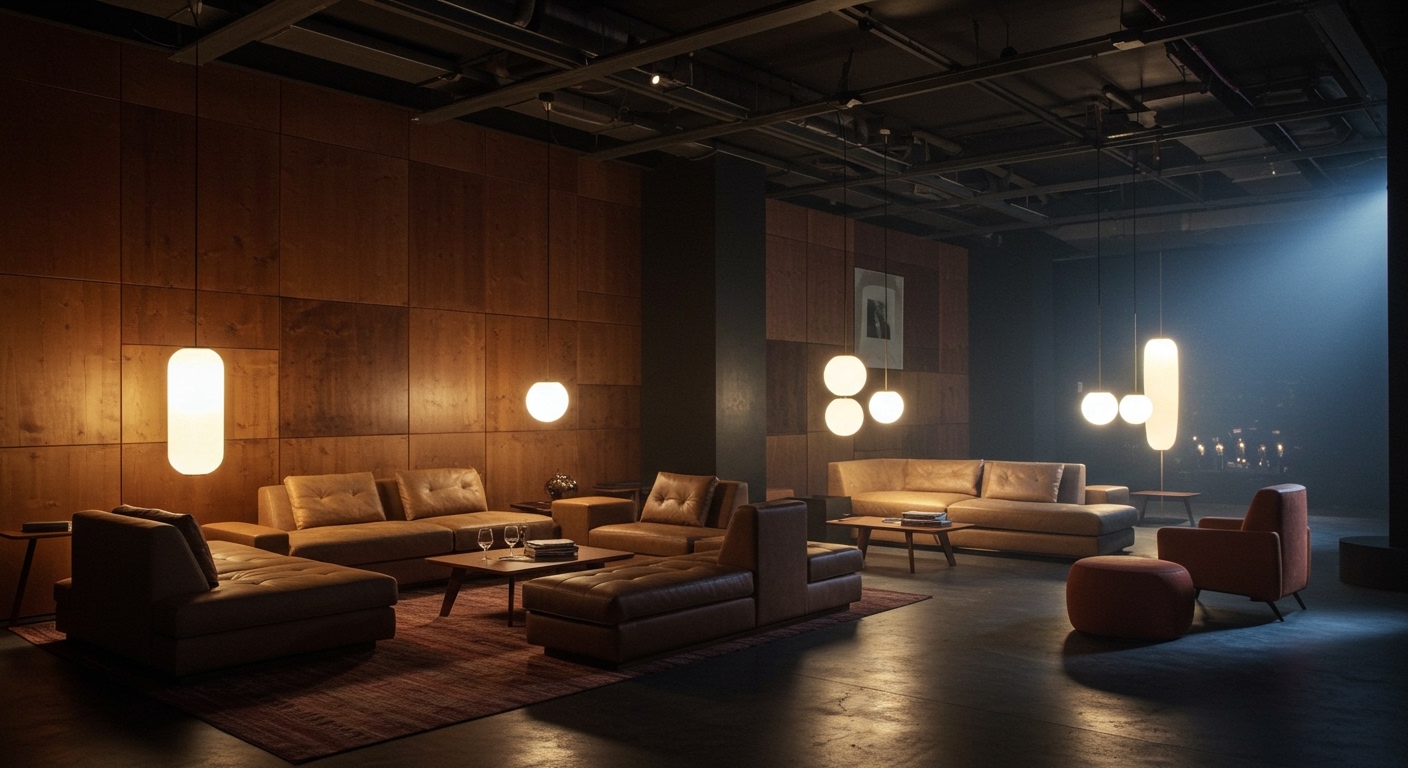
Nostalgia is no longer an escape, but the very fabric of experience.
In a world awash with ephemeral digital streams and manufactured realities, the tangible anchors of our physical environments are reclaiming their primacy. This shift is not merely aesthetic; it’s a profound recalibration of how we inhabit space, demanding environments that resonate with depth and sensory richness. Materiality, once an afterthought, is now the narrative engine, with designers prioritizing the tactile quality of wood grain, the cool embrace of stone, and the complex patinas of aged metals. Spatial tension, the deliberate interplay of volumes and voids, is masterfully employed to guide human flow, creating moments of both intimate contemplation and grand reveal. These interiors are not passive backdrops but active participants in shaping our well-being, facilitating intuitive movement and fostering authentic connection. The recent surge in projects embracing historical vernaculars, from art deco cinemas to mid-century teahouses, underscores this essential human craving for groundedness in an increasingly fluid existence.
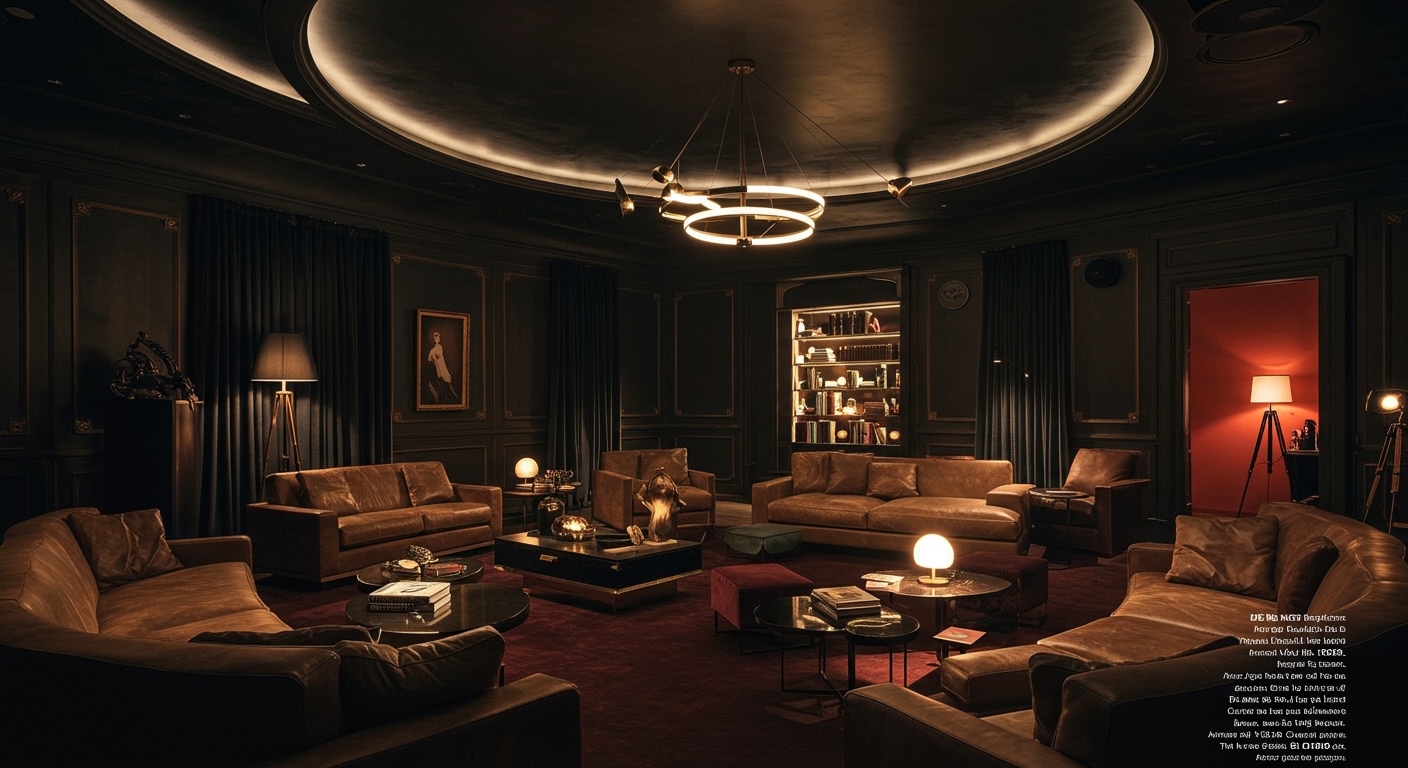
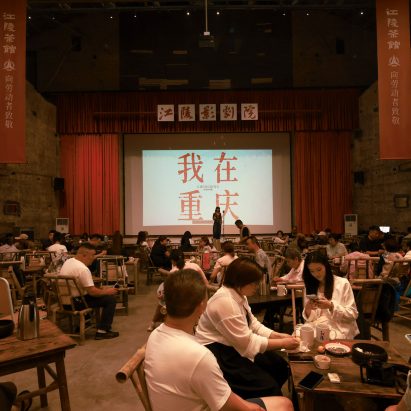
The recent design news reveals a compelling convergence of historical reverence and contemporary functionalism. Nice Projects’ 1920s cinema design for The Roof Gardens masterfully evokes an era of unashamed opulence, leveraging the art deco architecture of its London locale to create an immersive cinematic retreat. This isn’t mere pastiche; it’s a sophisticated reinterpretation, a testament to how specific historical languages can imbue a space with enduring glamour and gravitas. Similarly, Studio We Live’s transformation of a 1950s Chinese cinema into a vibrant teahouse and food market in Chongqing demonstrates a sensitive preservation of memory, allowing the building’s original character to inform its new life. The inclusion of a wooden canopy suggests a thoughtful dialogue between the past and present materials. Logic Design + Build’s “humble and collaborative” workspace in India, with its brick arches and colourful glass panels, similarly draws on local artisanal traditions and artistic influences, grounding the modern office in a rich cultural context. This trend moves beyond superficial historical references; it’s about excavating the essence of an era and translating its spirit into a contemporary sensory experience.
However, this potent trend towards historical evocation is not without its inherent contradictions. While the appeal lies in the perceived authenticity and layered narratives of older forms, the execution can sometimes teeter on the edge of romanticized sentimentality. The danger lies in replicating the aesthetics without truly understanding the underlying social and material conditions of those past eras. The goal of creating “unmistakably cool working experiences,” as Mil Studios achieved in Madrid with its 1990s New York office inspiration, or the “discreet yet powerful” design of Hotel Lamartine in Mexico City, which prioritizes natural light and spatial efficiency within a constrained site, highlights the ongoing tension. These latter projects, while perhaps less overtly historical, demonstrate a different kind of timelessness, one achieved through intelligent design and a deep understanding of contemporary needs. The question becomes: can we harness the resonance of the past without succumbing to a nostalgic paralysis, ensuring these spaces are not merely museum pieces but dynamic, functional environments for the present and future?
The future of interior design will be defined by a nuanced understanding of temporal layers. We will witness a deliberate excavation of vernacular materiality and craftsmanship, not as direct replication, but as a source of authentic sensory vocabulary. Expect to see projects that subtly weave together historical building techniques and contemporary sustainable materials, creating spaces that feel both deeply rooted and forward-looking. The digital will continue to inform the analogue, with generative design tools assisting in the precise crafting of bespoke elements inspired by ancient forms. The ultimate success will lie in creating environments that offer a palpable sense of place and belonging, transcending fleeting trends to offer enduring emotional and physical comfort. These interiors will be less about novelty and more about memory, less about spectacle and more about soul.
TL;DR
Interiors are becoming time capsules, blending historical resonance with contemporary needs for tactile, spatially rich experiences.