Julian’s Branding Insight — 2026.06.10

The most profound brand experiences are often built on the quiet disruption of expectation.
In a world saturated with ephemeral digital touchpoints and hyper-curated influencer narratives, brands are increasingly grappling with how to forge genuine equity and resonant cultural signals. This isn’t merely about aesthetic appeal; it’s a strategic imperative. As market positioning solidifies in the minds of consumers, the visual identity system becomes the most potent lever for differentiation. The recent work for Leo, Brusco, Bu Deli, The Norton, and Fussy underscores a critical shift: brands are no longer content with mere visibility. They are vying for psychological space, aiming to become indispensable not just by what they offer, but by how they make people feel and the values they demonstrably uphold. The potency of a well-executed identity now lies in its ability to cut through the noise, offering clarity and an authentic connection in an often bewildering marketplace.
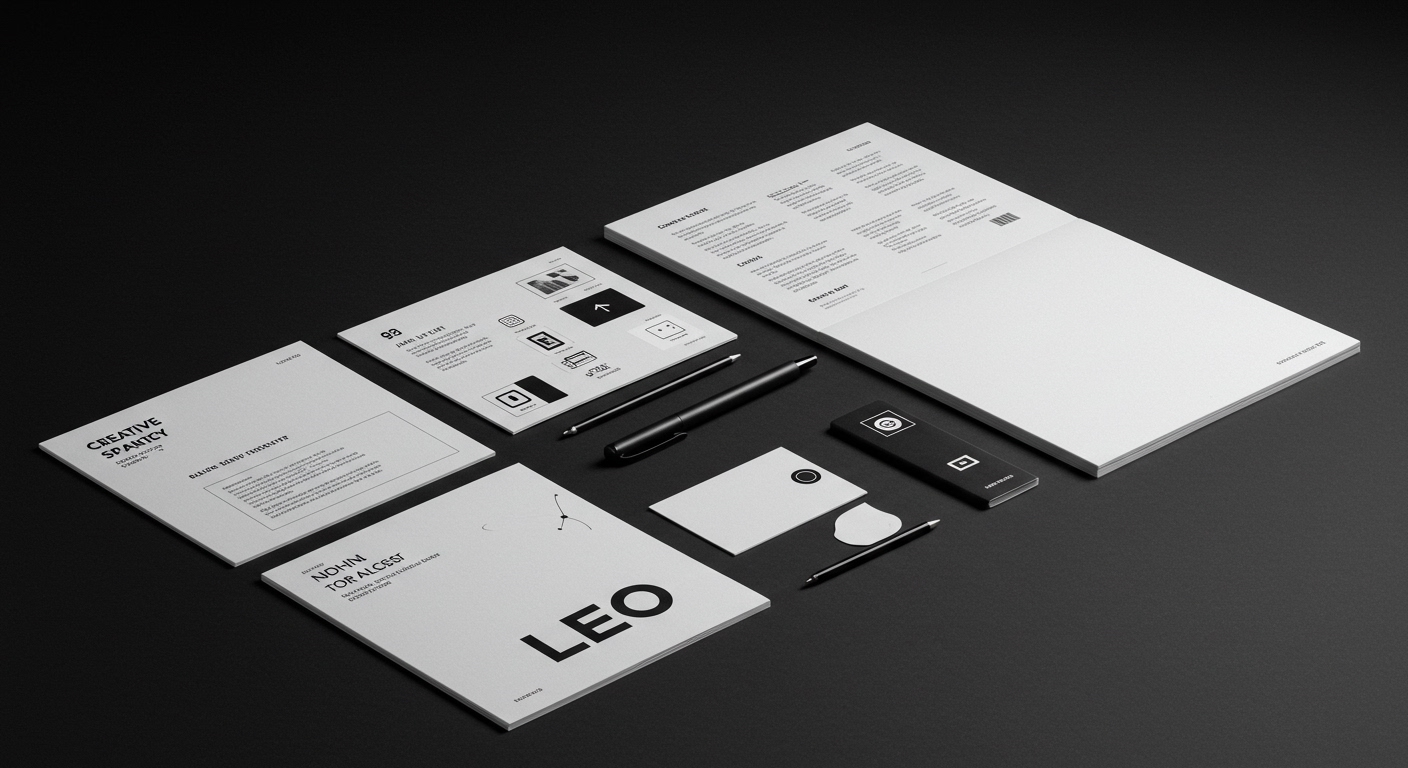
The synthesized narrative emerging from these diverse projects points towards a potent paradox. On one hand, we see a deliberate return to clarity and purpose, epitomized by Creative Spark’s “bold, no nonsense” identity for Leo. This brand tackles the often-stigmatized topic of hair loss with a directness that disarms and reassures, stripping away the typical embellishments and focusing on tangible rejuvenation. Complementing this is Another Collective’s work for Brusco, which masterfully reinvents the familiar tropes of classic burger joints. Rather than opting for sterile minimalism or ostentatious maximalism, Brusco strategically leverages established visual language to evoke nostalgia and authenticity, signaling a commitment to quality and tradition within the fast-paced food scene. Simultaneously, Lisa Cain’s commentary on Bu Deli’s packaging by Studio Bland and Fussy’s refillable hand soap by Beta Design reveals a fascination with friction and its impact on consumer perception. Bu Deli’s butter packaging, it seems, invites engagement, while Fussy’s system intentionally introduces a slight hurdle – the act of refilling – to foster a deeper appreciation for the product and its sustainability mission. These aren’t mere stylistic choices; they are calculated maneuvers to imbue brands with a sense of tangible value and considered design.
However, this focus on tangible connection and purpose creates a notable tension. The drive for authenticity and directness, as seen with Leo and Brusco, often requires a careful calibration of established codes to avoid appearing derivative. This necessitates a nuanced understanding of how to reinvent rather than simply replicate. Furthermore, the embrace of ‘friction’ as a deliberate design element in packaging for brands like Fussy, while fostering a deeper, more mindful consumer relationship, stands in stark contrast to the prevailing demand for seamless, frictionless digital experiences. While some brands might seek to eliminate every possible barrier, Fussy, and by extension Bu Deli, suggests that a controlled introduction of effort can paradoxically enhance perceived value and encourage loyalty. This creates a dichotomy between the desire for immediate gratification and the cultivation of a more engaged, long-term brand relationship, forcing brands to question whether ease always equates to desirability.
Looking ahead, brands will increasingly leverage deliberate friction not merely as a packaging strategy but as a core brand-building mechanism to foster deeper emotional equity. Expect to see digital platforms and physical product experiences intentionally incorporate subtle, value-adding hurdles that encourage mindful engagement and cultivate a profound sense of accomplishment and ownership for the consumer, thereby transforming passive consumption into an active, rewarding participation.
TL;DR
Brands are increasingly using calculated challenges within their identities and experiences to foster deeper consumer connection and perceived value, moving beyond mere aesthetics.