Julian’s Architecture Insight — 2026.06.04
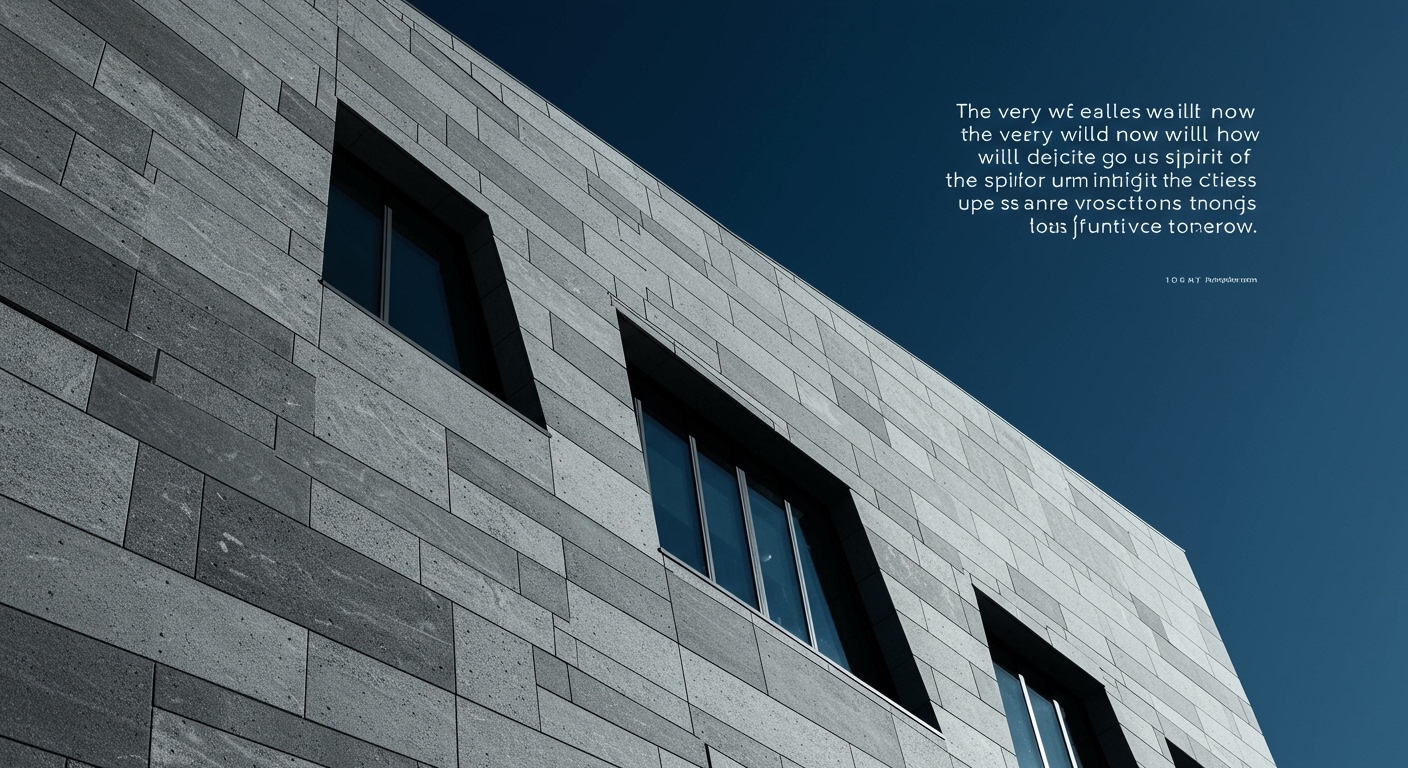
The very walls we build now will dictate the spirit of the cities we inhabit tomorrow.
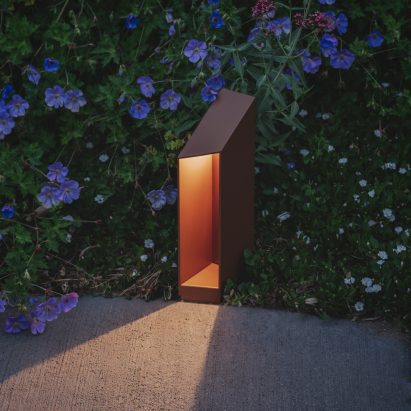
The global discourse in architecture, a constant hum of innovation and introspection, finds itself at a critical juncture. We are witnessing a powerful undercurrent of return to fundamental principles: the palpable reality of materials, the inherent responsibility of our interventions within the urban fabric, and an urgent reimagining of our environmental footprint. This isn’t mere stylistic resurgence; it’s a structural philosophy emerging from necessity. The brutal honesty of exposed brick, as seen in Lanza Atelier’s evocative Serpentine Pavilion, speaks volumes about connection to craft and context, a refreshing antidote to the often-sterile veneer of contemporary construction. Simultaneously, the subtle poetry of light and shadow, as demonstrated by Joan Gaspar’s Domus lighting collection, reminds us that even the most utilitarian elements can imbue our environments with a sense of place and wonder. These are not isolated incidents but symptoms of a deeper yearning for authenticity in an increasingly digitized and detached world, demanding that our built environments resonate with tangible qualities and a conscious respect for their surroundings.
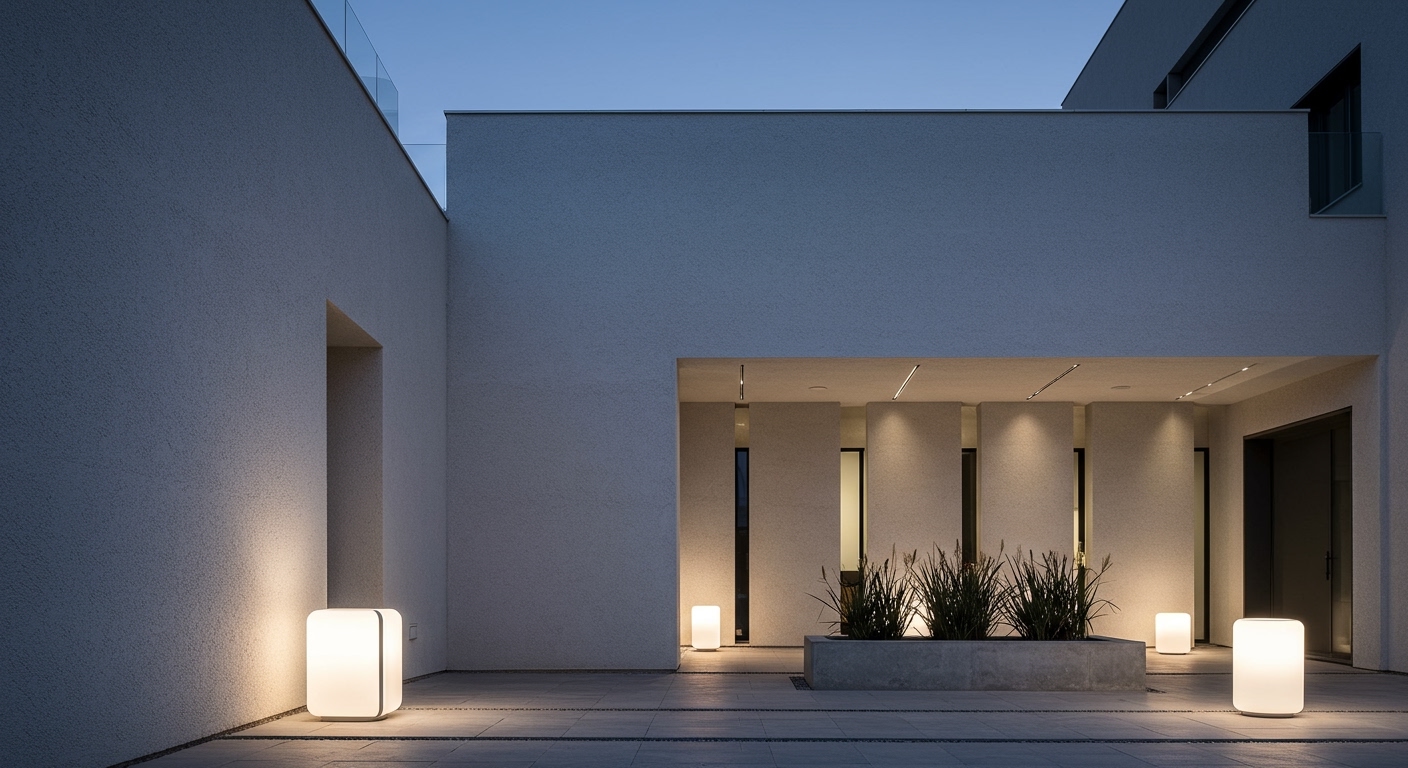
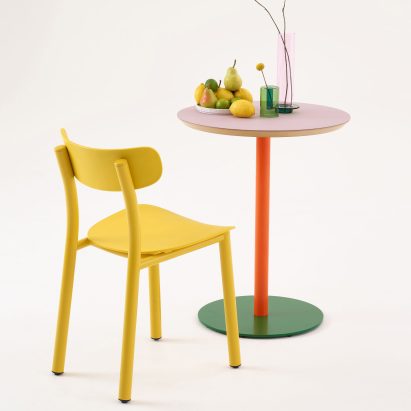
This synthesis of material tactility and contextual awareness is not confined to public installations. The residential projects of firms like Richard Beard Architects underscore this trend, with their emphasis on site-specific elegance and the profound human experience of navigating space. Their homes, whether nestled in historic landscapes or commanding dramatic coastal vistas, are testaments to an architecture that listens to its environment, that speaks through its form and its interaction with light, and crucially, through the lived reality of its inhabitants. Similarly, the thoughtful design of everyday objects, like Keiji Takeuchi’s Lotti chair, with its focus on comfort, repairability, and vibrant materiality, reflects a burgeoning awareness of the lifecycle of the objects that populate our homes and public spaces. This is a holistic approach, extending from the grand gesture of a pavilion to the intimate comfort of a chair, all contributing to a more considered and enduring built world.
However, this powerful current towards material honesty and contextual sensitivity is not without its inherent tensions. The very act of celebrating raw materials, of embracing their imperfections and their stories, can sometimes inadvertently lead to a romanticization of practices that are not inherently sustainable. The exquisite craftsmanship evident in a traditional brick structure, for instance, can be resource-intensive. Likewise, the desire to integrate seamlessly with natural landscapes, while commendable, can present complex challenges regarding site disturbance and long-term ecological impact. The discourse must therefore push beyond mere aesthetic appreciation to interrogate the true sustainability of these practices, ensuring that material honesty does not become a guise for unsustainable indulgence. We must ask: is the exposed brick truly locally sourced and efficiently fired? Does the site-specific home truly minimize its ecological footprint throughout its construction and lifespan?
The future will see a symbiotic relationship emerge between digital intelligence and elemental construction. Imagine, for instance, a new generation of buildings whose structural integrity and thermal performance are dynamically managed by AI, responding in real-time to environmental conditions, while being composed of locally sourced, regenerative materials like mass timber and bio-concretes. These structures will not only minimize their environmental impact but will actively contribute to the ecological health of their surroundings, blurring the lines between the built and natural worlds. The aesthetic will be one of refined rawness, where advanced technology is rendered invisible, allowing the inherent beauty and performance of natural materials to take center stage, creating urban environments that are both profoundly sustainable and deeply resonant with human experience.
TL;DR
Architecture’s soul is being reclaimed by honest materials and urban responsibility, demanding a future where technology amplifies, not conceals, our connection to the elemental.