JHDD Web Design Report — 2026.08.08
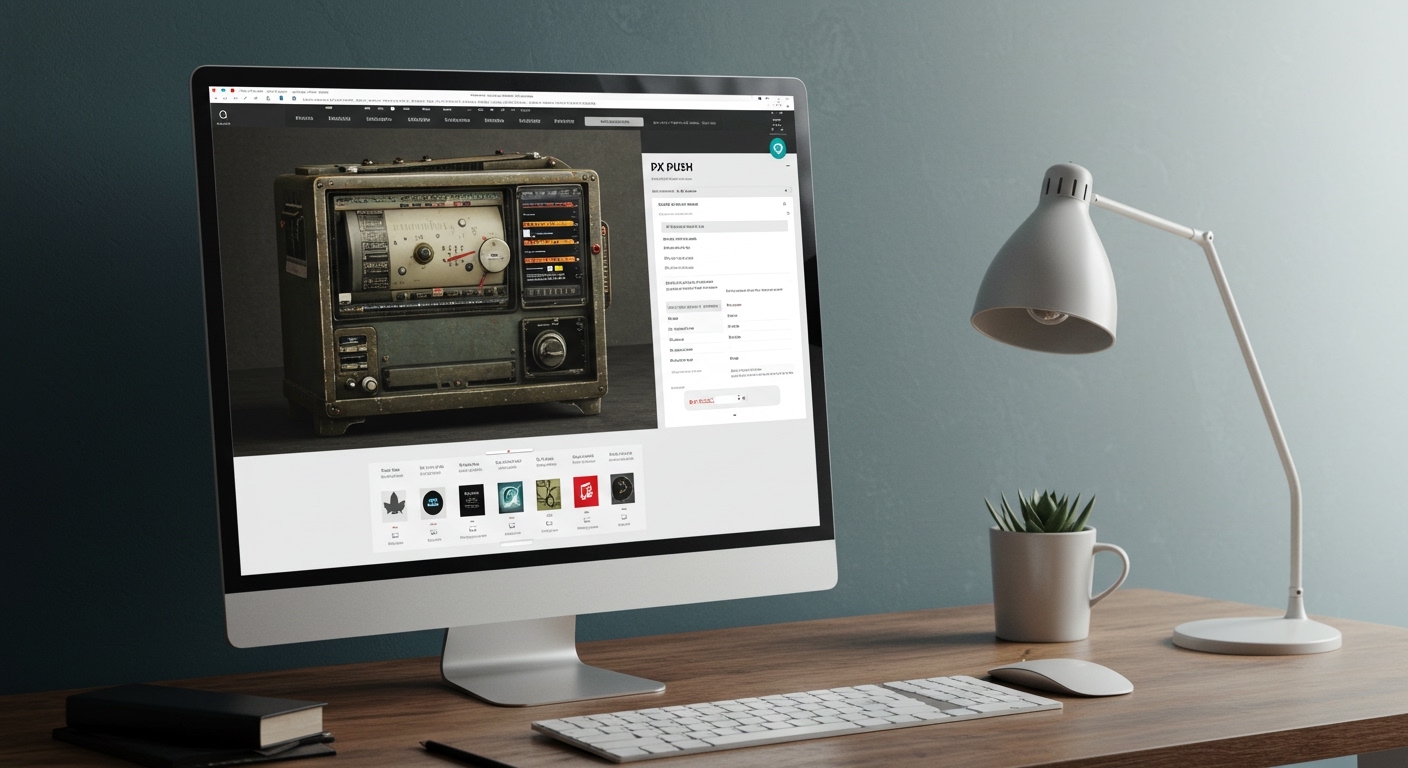
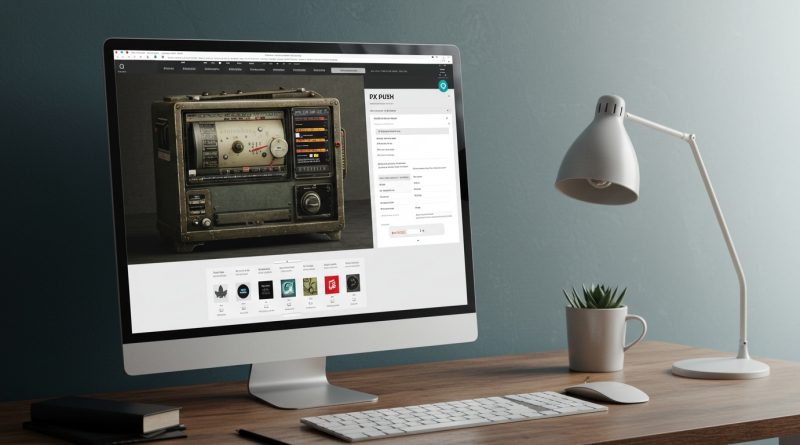
The PX PUSH website, structured around the concept of an old, always-on machine, signals a deliberate shift in front-end design philosophy.
This observation is part of a broader re-evaluation of what constitutes effective web experience. The recent discourse increasingly centers on digital artifacts that possess a distinct personality and an underlying conceptual integrity, rather than merely adhering to efficiency metrics or transient aesthetic trends. This shift champions bespoke craft over standardized templates, where the chosen technology, whether Nuxt and Three.js for PX PUSH or WebGPU and TSL for the Garden Anomaly experiment, serves a unique narrative purpose. The nuances of native elements like the

Readymag’s assertion that individuality, not trends, creates the most memorable web experiences presents a direct challenge to mainstream industry thought. For years, the prevailing wisdom has conflated performance with minimal technical footprint and rapid, often templated, deployment. This approach frequently results in a homogeneous web where efficiency is prioritized above distinct identity. However, true performance on the modern web extends beyond initial load times; it encompasses a site’s ability to capture attention, sustain engagement, and effectively convey a unique message. Relying on generic solutions, even if technically “lightweight,” can lead to an absence of the human touch, rendering a site forgettable and ultimately less performant in its communicative goal.
This re-prioritization will increasingly drive the adoption of sophisticated front-end tooling that was once considered niche or overly complex. The exploration of WebGPU and TSL in projects like Garden Anomaly exemplifies this direction, showcasing how advanced rendering capabilities can be harnessed not for gratuitous effects, but for deeply integrated, physics-driven interactions that contribute to a site’s unique character. These technologies, paired with thoughtful implementation, offer a pathway to highly expressive and surprisingly performant experiences. By mid-2028, the industry will broadly recognize that the perceived “cost” of deploying such rich, custom front-end solutions, when executed with precision and purpose, is a worthwhile investment for achieving genuine digital individuality and a competitive edge in user engagement.
The primary resistance to this bespoke approach comes from large-scale enterprise environments and platform vendors prioritizing design system uniformity and low-code solutions. Their models are built on scalability and repeatable patterns, often at the expense of distinct brand voice or experimental craft. The emphasis on rapid iteration and quantifiable, often superficial, metrics of success can inadvertently stifle the deep conceptual work and precise technical implementation required for truly individual web experiences.
A working web design professional should dedicate time this week to deeply engage with native browser capabilities and emerging web standards. This means moving beyond convenience layers offered by frameworks to understand the fundamental architecture. For instance, instead of reaching for a third-party modal library, one should rigorously explore the full capabilities and styling nuances of the
TL;DR
Unique web experiences driven by intentional craft and advanced native features are critical for modern web performance and engagement.
Curated References
About this editorial — This piece was developed using AI-assisted research and curation across multiple industry sources. All analysis, opinions, and predictions represent the editorial perspective of JHDD. Sources are linked in the references section above.