JHDD Web Design Report — 2026.07.31
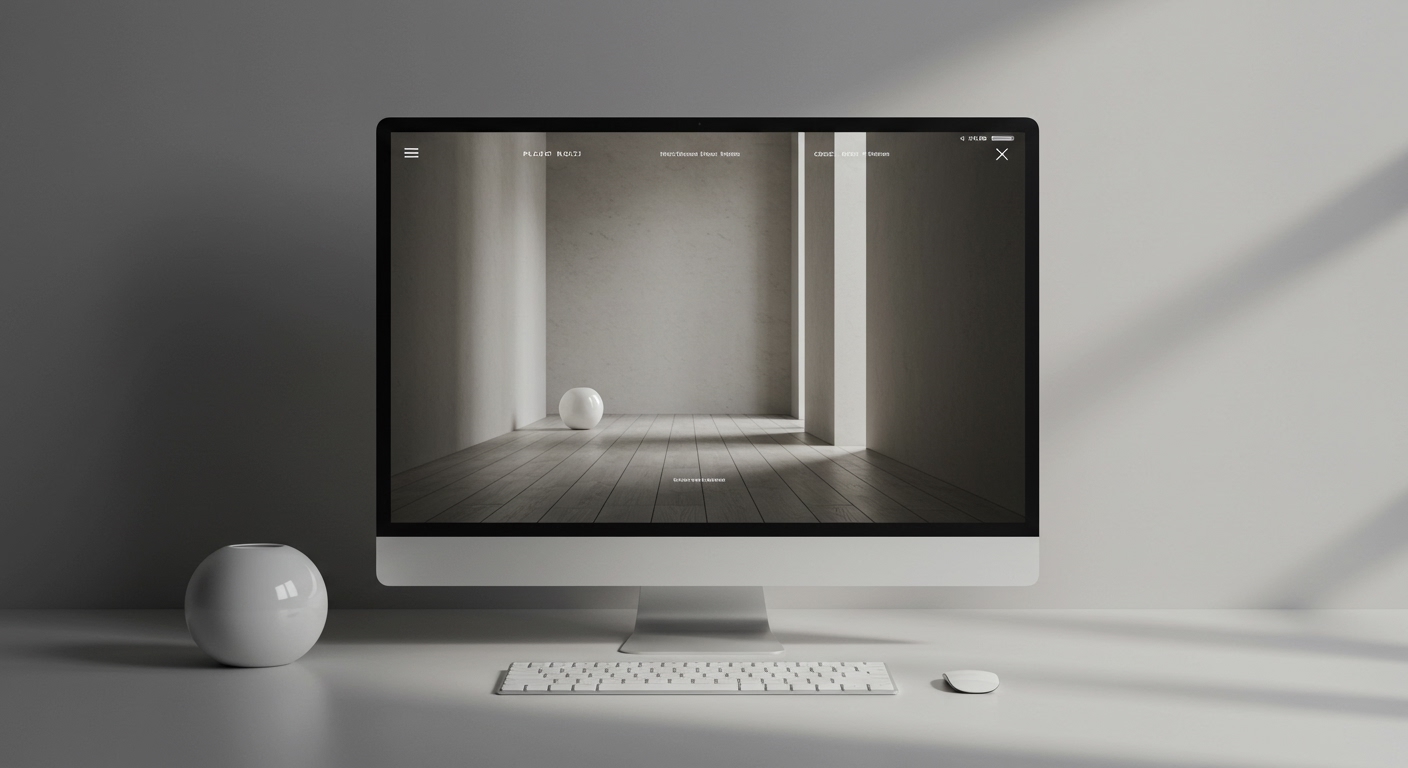
FLOT NOIR reimagined MERSI’s website as a quiet, immersive space, bridging architectural print and interactive web. This specific approach, echoed in projects like Cerebrium and advanced GSAP galleries, reveals a clear trend: the deliberate use of highly engineered front-end craft to create distinctive, sensorial digital experiences. It is a calculated move beyond mere content delivery, where performance is not sacrificed but integrated into the pursuit of a specific feeling or narrative.
MERSI’s “tailored Webflow build with precise motion and editorial storytelling” highlights a crucial shift. Instead of generic templates, studios are leveraging platform flexibility to inject bespoke front-end engineering. This is where typography and layout move beyond static presentation into an active component of the experience, guided by motion that feels intrinsically linked to the content’s editorial intent. The “quiet” immersion suggests a focus on the timing and subtlety of motion and layout transitions, demanding meticulous control over animation curves and element positioning, a hallmark of true front-end craft.
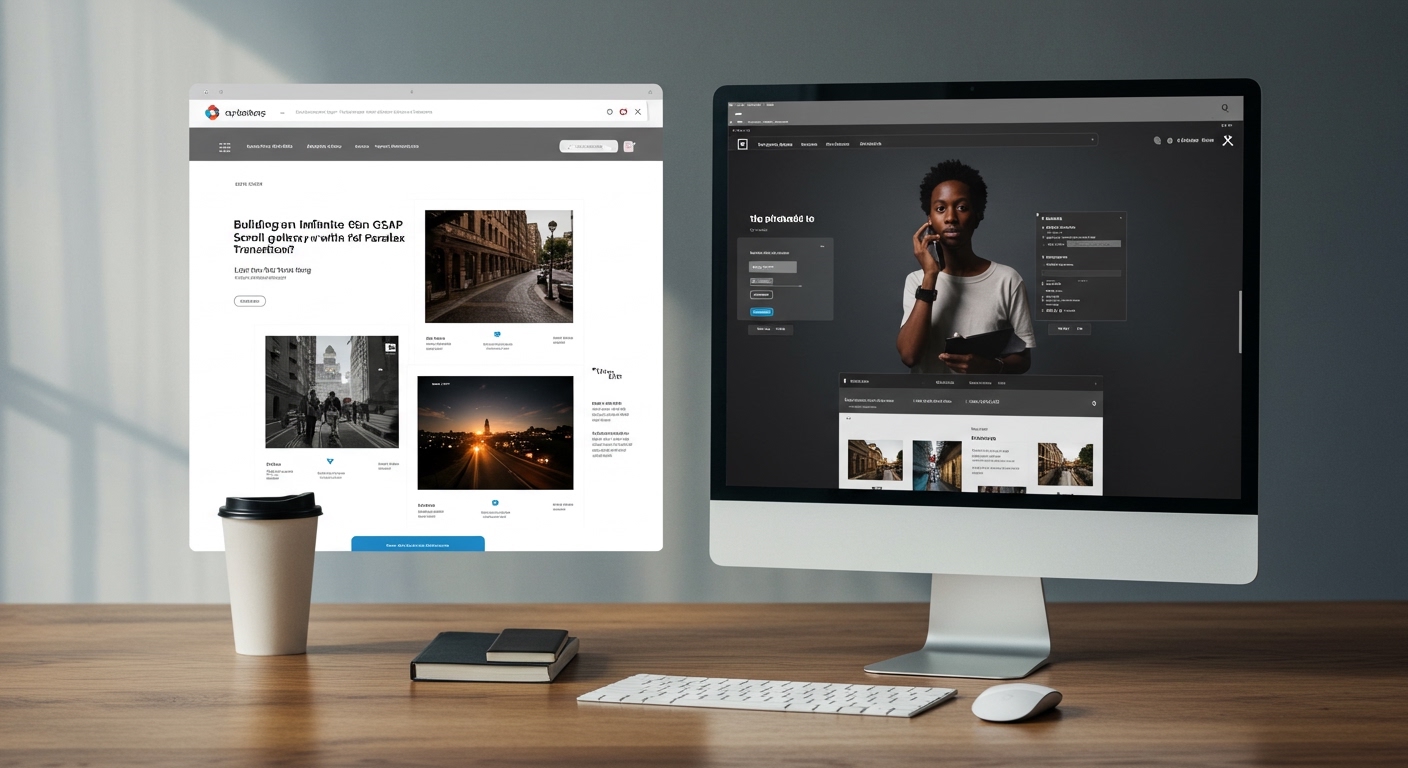
Mainstream discourse often equates high performance with stark minimalism and an avoidance of rich interaction. However, what MERSI demonstrates, along with the detailed 3D and WebGL work on Cerebrium, is that deep immersion and complex interaction are achievable without compromising core performance metrics. The industry frequently overlooks that a perceptually performant site is not always the simplest one, but rather one where loading states, transitions, and interactions are designed with deliberate, user-centric timing. By mid-2027, the demand for front-end developers with strong theatrical design sensibilities – those who understand choreography, pacing, and the interplay of motion with typography and spatial layout – will sharply increase, moving past purely technical coding into a more blended creative-engineering role.
This emphasis on deeply tailored, craft-heavy digital experiences stands in direct contrast to the continued push towards commoditized website builders and AI-driven content generation tools that prioritize speed of deployment over unique experiential depth. While these tools serve a different segment, they dilute the perception of what is truly possible with expert front-end design.
Web design professionals should dedicate time to deeply studying browser rendering processes and animation performance best practices, specifically how CSS transforms and WebGL impact repaint and layout, rather than solely relying on library defaults. This foundational understanding enables the precise control required for these sophisticated, crafted experiences.
TL;DR
The modern web’s most compelling experiences are engineered with meticulous front-end craft, blending motion, typography, and layout for deliberate sensory impact.
Curated References
About this editorial — This piece was developed using AI-assisted research and curation across multiple industry sources. All analysis, opinions, and predictions represent the editorial perspective of JHDD. Sources are linked in the references section above.