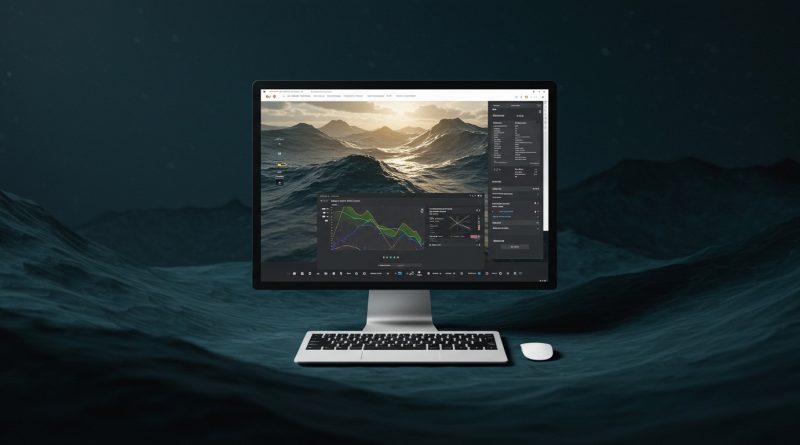
JHDD Web Design Report — 2026.07.30
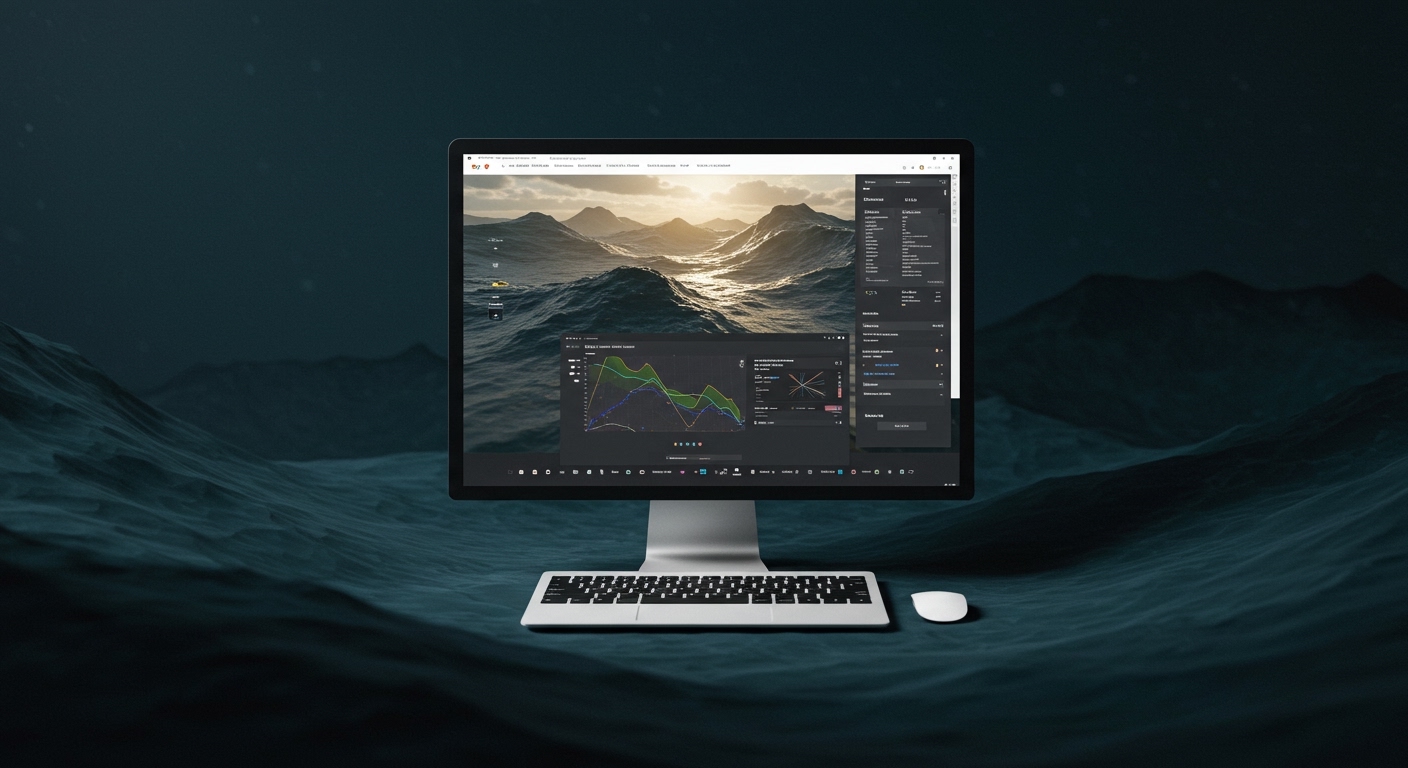
Ridgeline’s engineering achieved real-time terrain rendering within a Webflow environment, transforming complex data into a cinematic 3D experience.
The recent work detailed by Studio Freight, FLOT NOIR for MERSI, and the engineering behind Ridgeline points to a specific evolution in front-end craft. These projects are not merely displaying information; they are constructing meticulously detailed interactive environments. Whether it is FLOT NOIR creating a quiet, immersive space between print and interactive web, or Cerebrium using 3D and WebGL to clarify complex AI infrastructure, the pattern indicates a deliberate fusion of complex visual storytelling with deeply integrated performance considerations. Craft is moving beyond surface-level aesthetics, becoming foundational to the experience itself.
The conventional industry perspective often frames platforms like Webflow as tools primarily for rapid development or simpler brochure sites, sometimes implying a limitation on deep creative expression or engineering complexity. However, the engineering behind Ridgeline, which achieved real-time terrain rendering and complex animation within a Webflow environment, profoundly challenges this narrow view. This project demonstrates that high-end interactive experiences, traditionally associated with bespoke codebases and significant development resources, can be realized by adeptly pushing the boundaries of integrated platforms. The true craft resides not in avoiding such tools, but in mastering their deeper capabilities, understanding their architectural decisions, and integrating custom solutions to deliver unique, performant outcomes that elevate the user experience. Performance, in this context, is not an afterthought handled by a separate optimization team; it is an intrinsic component of the initial design and engineering strategy, enabling the “cinematic” quality Ridgeline achieved and ensuring its responsiveness.
This commitment to deeply integrated performance and bespoke interaction, exemplified by Ridgeline and Cerebrium’s approach to making complex AI infrastructure tangible through 3D and WebGL, suggests a re-evaluation of what constitutes ‘modern’ web design. It demands more than merely creating responsive layouts or efficient component libraries. The craft now requires an acute understanding of how motion can clarify complex concepts, how thoughtful layout can immerse a user, and how every pixel contributes to a coherent narrative experience without sacrificing speed or accessibility. This focus on intricate detail and performant execution represents a significant upward shift in front-end expectations. By mid-2027, the demand for front-end craftspeople capable of delivering this level of bespoke, high-performance interaction within advanced visual frameworks, whether through sophisticated Webflow integrations or custom WebGL development, will significantly outpace the current supply of qualified professionals.
This pursuit of detailed craft and custom experiences is consistently undermined by the pervasive industry pressure for speed and generalized solutions. Marketing directives frequently prioritize immediate visual impact and rapid deployment schedules over long-term performance, thoughtful interaction design, or genuine digital longevity. Furthermore, the widespread reliance on pre-built templates and generic component libraries, while offering rapid deployment cycles, often steers projects away from the bespoke, enduring qualities seen in the work of Garden Eight, which prioritizes sites crafted to “evolve, engage, and endure.” This fosters a mentality where differentiation is sought through superficial trend adoption and quick fixes rather than deep, purposeful engineering and nuanced design that truly reflects a brand’s unique presence.
Working web design professionals should dedicate time this week to understanding the fundamental interplay between animation performance and user perception, focusing on browser rendering pipelines. Investigate the specifics of WebGL implementations for subtle background textures or dynamic data visualization, considering their impact on overall page weight and load times, rather than defaulting to static images or simpler CSS animations. Explore how tools like Webflow can be extended with custom code to manage complex motion timelines or render real-time elements, pushing past inherent platform limitations to achieve truly distinctive interactive experiences. This deep dive into the ‘how’ and ‘why’ of high-performance interactive elements will prove more valuable than merely tracking new library releases or superficial design trends.
TL;DR
Sophisticated front-end craft now integrates deep technical mastery and performance directly into the core design and storytelling process.
Curated References
About this editorial — This piece was developed using AI-assisted research and curation across multiple industry sources. All analysis, opinions, and predictions represent the editorial perspective of JHDD. Sources are linked in the references section above.