JHDD UI UX Report — 2026.07.30
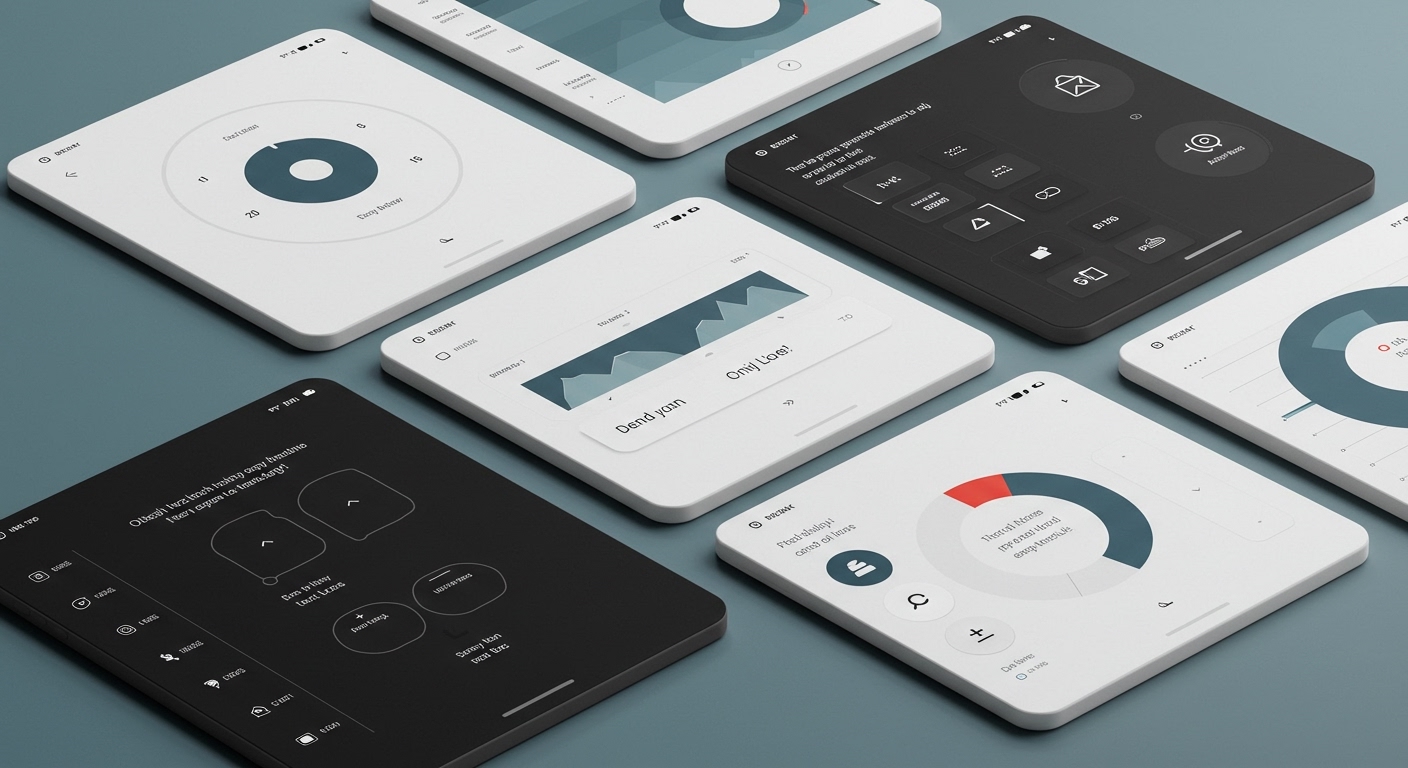
Oleksii Hrzhehorzhevskyi’s work challenges the prevailing interface for AI, questioning the ubiquity of the text box as the primary interaction model.
Across current design discourse, a subtle yet significant pattern emerges: the established tenets of digital interaction are under scrutiny. This re-evaluation extends from the fundamental quest for “frictionless” experiences to the very nature of human-AI engagement, pushing designers to reconsider where and how value is truly created. It suggests a shift from optimizing for efficiency alone to designing for deeper engagement and meaning.
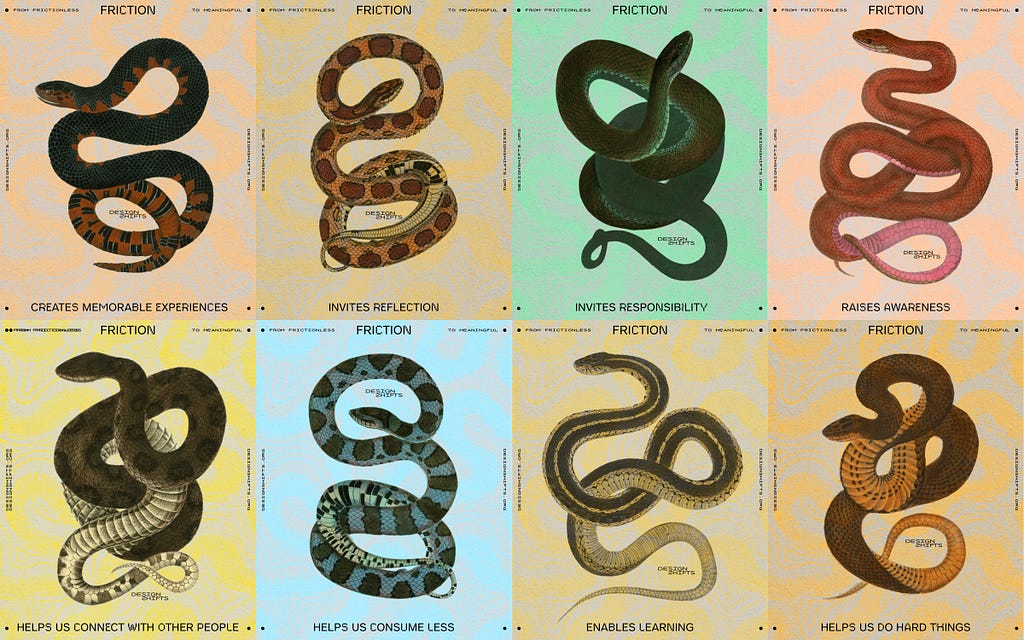
The industry’s long-standing obsession with frictionless design, often presented as the ultimate measure of success, is a paradigm requiring critical examination. While the aspiration for seamless user flows remains powerful, an argument can be made that certain forms of intentional friction can enrich user experiences, not detract from them. For instance, the discussion around friction acknowledges that a Slack outage, while frustrating, compels users to pay attention to the product in a way frictionless operation never could. This runs counter to the common industry directive for designers to relentlessly eliminate all points of resistance. Designers are taught to optimize away every millisecond of wait time and every extra click, yet this efficiency-driven mandate can inadvertently strip experiences of their distinctiveness or opportunities for reflection.
This re-examination is particularly relevant as AI integrates further into product design. Andy Budd highlights how AI reshapes product design, potentially granting designers greater autonomy. However, this autonomy can be misdirected if designers merely automate existing “frictionless” paradigms without questioning their deeper utility. A more progressive approach involves strategically leveraging AI to facilitate meaningful friction, for example, by designing AI-powered interfaces that encourage thoughtful engagement over rapid-fire data input. Rather than AI reinforcing the text box as the default, interfaces could evolve to incorporate multi-modal, spatial, or even deliberately paced interactions. Within two years, product teams will begin investing significantly in interaction patterns that, instead of minimizing all perceived friction, thoughtfully integrate moments of considered interaction to deepen user understanding or commitment, moving beyond mere efficiency metrics.
The primary force resisting this shift comes from established design systems and product roadmaps rigidly optimized for conversion funnels and quantitative efficiency metrics. Business stakeholders, accustomed to justifying design decisions based on reduced clicks or faster task completion, find it challenging to embrace the nuanced value of intentional friction. Furthermore, the simplicity of prompt-based AI models reinforces the text box as a low-cost, immediately deployable interaction pattern, thereby slowing innovation in alternative interfaces described by Oleksii Hrzhehorzhevskyi.
A working UI UX professional should this week audit a core user flow in their product for areas where efficiency has potentially overshadowed meaningful engagement. Instead of simply documenting pain points, they should conduct qualitative user research specifically asking users not just “Was this easy?” but “Was this memorable?” or “Did this feel worthwhile?” Explore whether a deliberate, even slightly slower, interaction could lead to greater perceived value or deeper understanding, perhaps by introducing a unique visual metaphor or a multi-step confirmation that offers a moment of reflection.
TL;DR
Designers must challenge the dogma of frictionless design and explore how intentional interaction friction can create richer, more meaningful user experiences, especially with AI.
Curated References
About this editorial — This piece was developed using AI-assisted research and curation across multiple industry sources. All analysis, opinions, and predictions represent the editorial perspective of JHDD. Sources are linked in the references section above.