JHDD Web Design Report — 2026.07.24
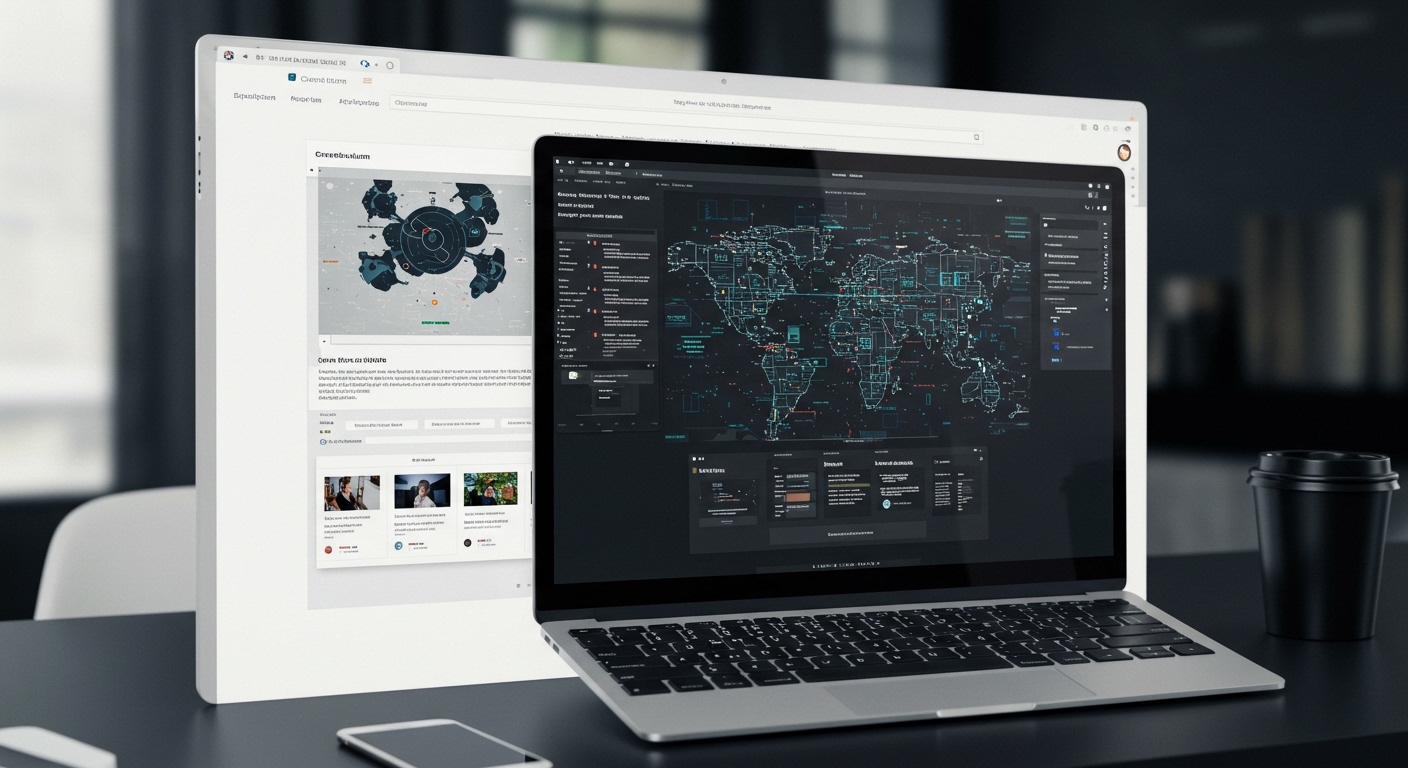
The development of Cerebrium saw complex AI infrastructure transformed into an intuitive interactive WebGL experience.
A clear pattern emerges from recent projects like Cerebrium, Ridgeline, and Dash Creative: a sophisticated integration of 3D, WebGL, and real-time rendering to demystify complex concepts or elevate brand narratives. These efforts extend beyond simple visual flair, serving as a primary interface for understanding intricate systems, from serverless AI to dynamic terrain. The emphasis is on building deeply memorable digital experiences through immersive, high-fidelity interaction, often requiring meticulous performance optimization to support rich animation and dynamic rendering. This commitment to front-end craft demonstrates a strategic pivot from purely functional web interfaces to expressive, explanatory digital environments, prioritizing experiential depth.
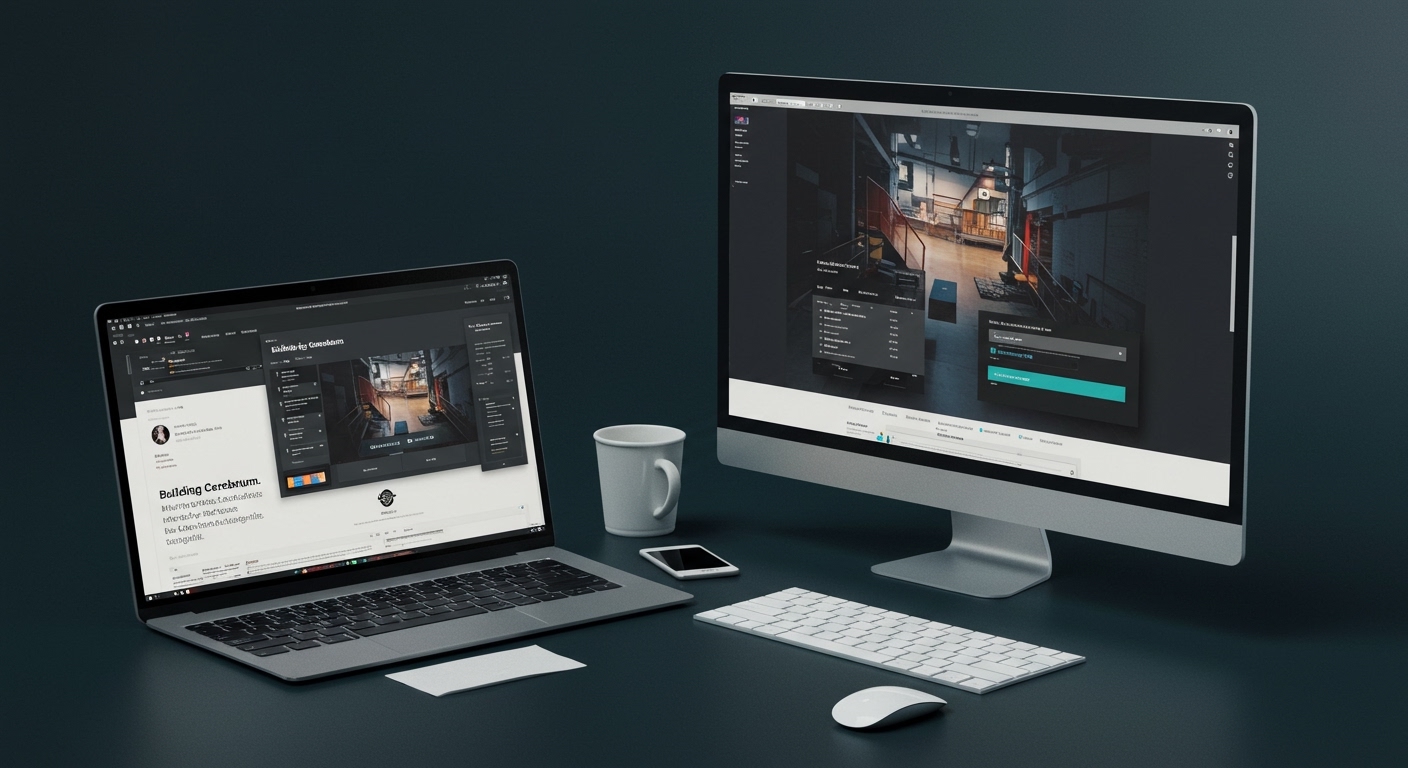
Unseen Studio exemplifies this trajectory, focusing on transforming abstract ideas and complex concepts into explorative, memorable experiences. While many in the industry preach absolute minimalism and a flat web devoid of anything beyond core content, this perspective overlooks the profound impact of carefully constructed immersive environments. The conventional wisdom often prioritizes raw page load speed and minimal JavaScript footprint above all else, advocating for a reductionist approach that can strip away the very elements that make a complex subject comprehensible or a brand distinctive. A well-executed WebGL experience, such as the real-time terrain rendering and animation techniques employed in Ridgeline, is not merely decorative; it is a pedagogical tool. It communicates information and narrative more effectively than static diagrams or verbose text ever could, turning complex data into an engaging visual story. This is a subtle yet crucial distinction: the value derived from an immersive experience designed to explain a difficult concept often outweighs the incremental cost in bytes or milliseconds, provided the performance budget is expertly managed through techniques specifically mentioned in the Ridgeline build, such as architectural decisions and performance optimizations.
This is not a blanket endorsement for heavy-handed 3D on every page. Instead, it argues for selective application of advanced front-end capabilities where narrative, conceptual clarity, or experiential depth are paramount. The tools, from raw WebGL implementations to the Webflow integration seen with Ridgeline, are maturing rapidly, allowing for increasingly sophisticated visual and interactive storytelling. The challenge lies in integrating these powerful visual components seamlessly with traditional web content, ensuring accessibility and maintainability. Within two years, sophisticated real-time 3D environments, traditionally confined to specialized gaming or animation platforms, will become a more common and integrated component of mainstream web design toolchains for specific, high-value content applications. These integrated tools will enable designers to build engaging narratives directly into the interactive structure of a site, moving beyond simple static layouts to truly dynamic content presentation.
This pursuit of deeply crafted, interactive experiences faces considerable resistance from the relentless pressure for rapid deployment and widespread reliance on generic, template-driven development. The commoditization of web design through simplified drag-and-drop builders and off-the-shelf components often prioritizes speed of assembly over unique expressive potential, leading to a proliferation of visually uniform and functionally predictable websites. This focus on expediency frequently discourages the investment in specialized front-end craft, meticulous performance optimization for complex interactions, and the nuanced attention to detail demonstrated in projects like Dash Creative, where a simple branding concept directly shaped intricate interaction design and WebGL implementation. The broader industry often struggles to justify the additional time and skill required for such bespoke solutions in favor of faster, albeit less distinctive, outcomes.
Working web design professionals should dedicate time this week to experimenting with lesser-used, yet powerful, CSS layout properties beyond flexbox and grid, such as writing-mode. Understanding how properties like writing-mode: vertical-rl; fundamentally alter text flow and block progression offers a deeper appreciation for typographical and layout craft. This practice broadens the toolkit for creating distinctive and accessible reading experiences, especially across diverse linguistic contexts, and highlights that foundational layout techniques remain as vital as advanced interactive graphics for truly compelling web presences.
TL;DR
Strategic, performance-optimized interactive experiences using WebGL and advanced CSS are critical for explaining complex concepts and enhancing brand narratives, requiring a renewed focus on fundamental front-end craft beyond generic templates.
Curated References
About this editorial — This piece was developed using AI-assisted research and curation across multiple industry sources. All analysis, opinions, and predictions represent the editorial perspective of JHDD. Sources are linked in the references section above.