
JHDD Branding Report — 2026.07.25
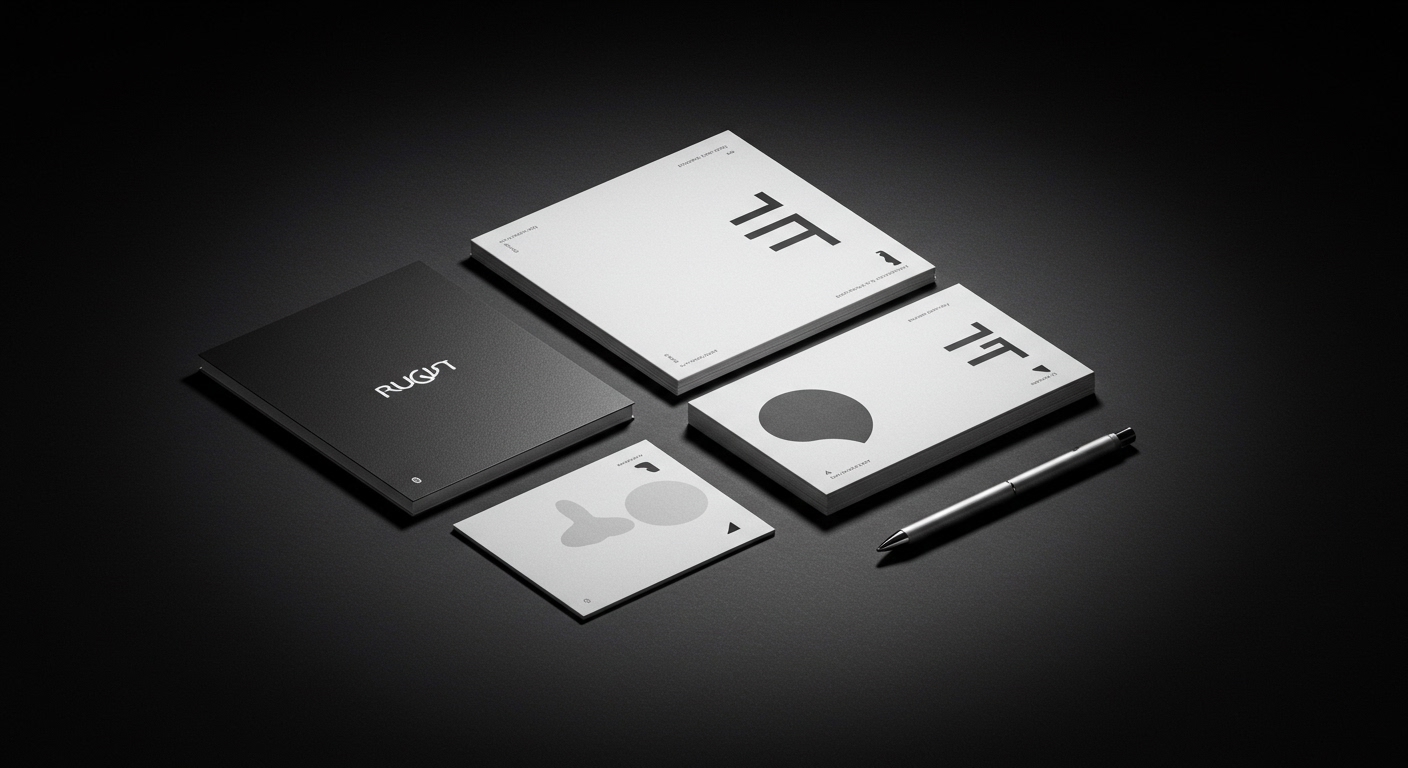
Pentagram New York’s work for Rugiet embraces an unabashedly phallic visual identity for a male health brand, a choice that directly challenges traditional sensibilities.
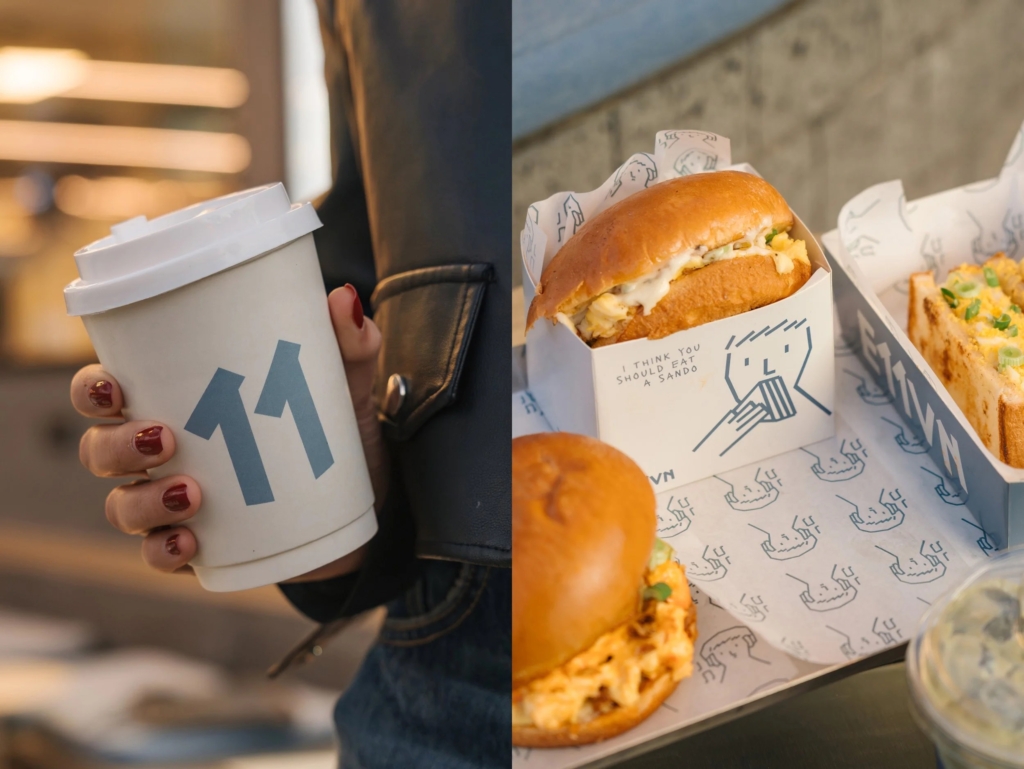
This directness, mirrored by DutchScot’s industrial aesthetic for Fjord and Makebardo’s visual rescue of E11VN’s challenging name, reveals a market shift. Brands are increasingly leveraging highly specific, often confronting, visual identities and precise positioning to carve out distinct equity. This is a clear departure from the previously dominant strategy of broad, inoffensive appeal and suggests that perceived “flaws” or difficult truths are being reframed as potent differentiators.
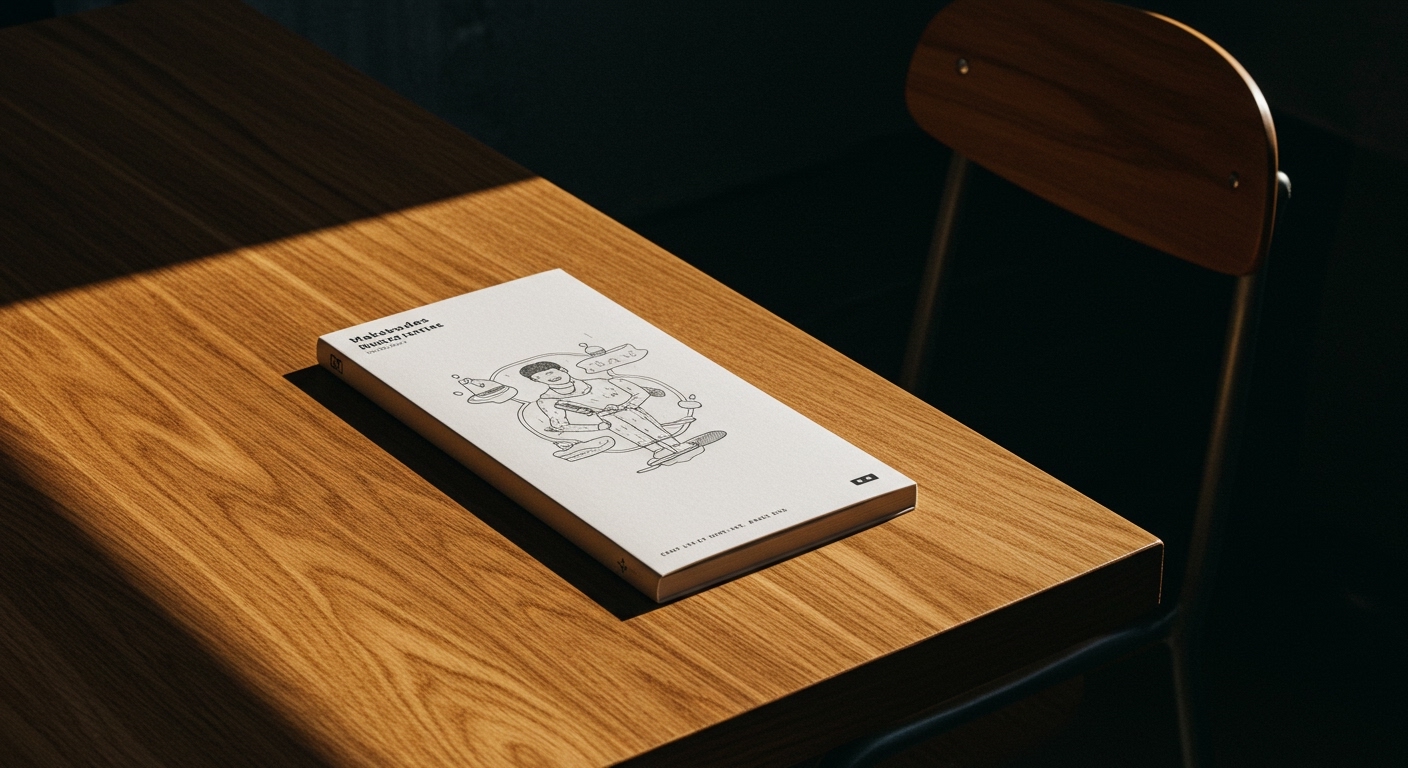
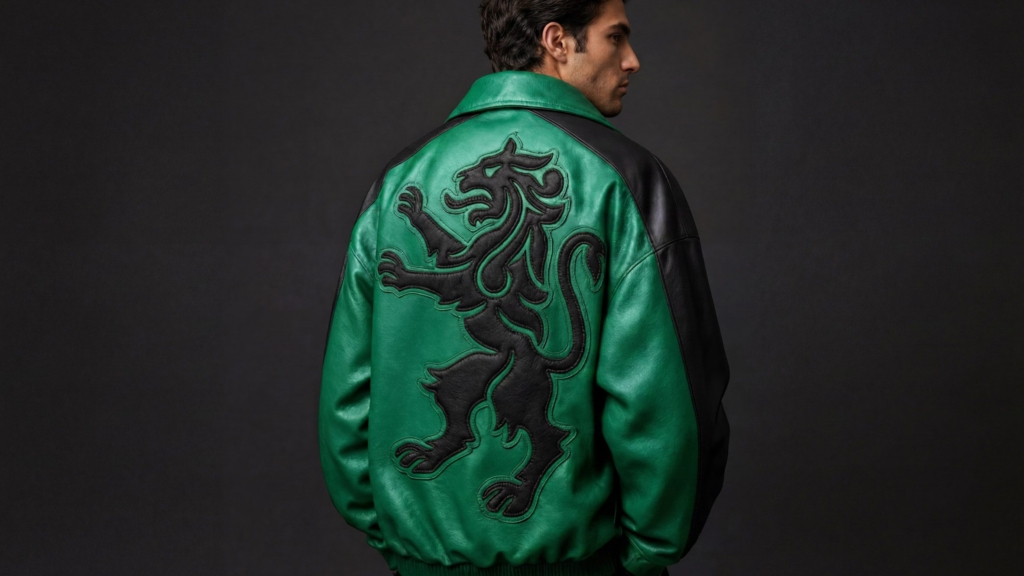
Consider JKR’s overhaul of football club Sporting CP, where the studio explicitly “plunders heritage to build a robustly simple, contemporary brand identity.” The mainstream industry often suggests that extensive heritage can be a burden, requiring a comprehensive modernization to attract new, younger audiences. However, JKR’s repeated successes with heritage brands like Sporting CP and Burger King demonstrate the opposite: a deep, unapologetic commitment to a brand’s foundational symbols and narratives creates an unassailable sense of authenticity and builds robust brand equity. This approach, which might seem insular or niche to some, actually strengthens cultural signals and market positioning by providing a clear, resonant anchor. It directly contradicts the prevailing notion that only fresh, novel aesthetics or universal appeals can drive contemporary engagement and long-term loyalty. This intentional specificity defines who the brand is for, and just as importantly, who it is not for.
This convergence of heritage and deliberate distinctiveness suggests that by mid-2028, brand equity for many categories will rely less on superficial trend adherence and more on the intentional cultivation of a specific, almost cult-like appeal rooted in an unwavering point of view. Brands like Fjord, which positions itself precisely between architecture, hospitality, and outdoor recreation, instead of generically as “wellness,” exemplify this precise targeting. This specificity will become the crucial differentiator for brands navigating competitive digital spaces and a fragmented cultural landscape. Those that attempt to be all things to all people, or to smooth over any rough edges for universal acceptance, risk becoming invisible within two years, dissolving into a sea of indistinguishable offerings. Future successful brand systems will be those with the conviction to be disliked by some in order to be deeply loved by others.
The primary opposing force to this embrace of specificity is the persistent pressure from large corporations and their marketing departments to achieve maximum measurable reach and quarterly growth. This often translates into mandates for brand identities that are perceived as “safe,” broadly appealing, and easily adaptable across numerous, diverse consumer touchpoints. The fear of negative public reaction, or of simply not capturing the largest possible market share, frequently leads to a dilution of any sharp or potentially controversial edge in favor of bland neutrality. This institutional aversion to risk works against the very distinctiveness that now drives strong brand equity.
A branding professional should spend this week auditing client brand briefs and existing visual identity systems not for what is “missing” in terms of trend adoption, but for what distinct, potentially difficult, or historically overlooked characteristics are being downplayed or softened. Identify one such characteristic – be it a challenging name like E11VN, a direct product benefit like Rugiet’s, or a rich, specific heritage – and develop a visual identity concept that deliberately amplifies it. Present this amplified characteristic as a source of strength and cultural resonance, rather than a challenge to be overcome or hidden.
TL;DR
Specific, even polarizing, brand identities are building stronger equity and cultural relevance than broadly appealing, neutral ones.
Curated References

About this editorial — This piece was developed using AI-assisted research and curation across multiple industry sources. All analysis, opinions, and predictions represent the editorial perspective of JHDD. Sources are linked in the references section above.