JHDD Web Design Report — 2026.07.13
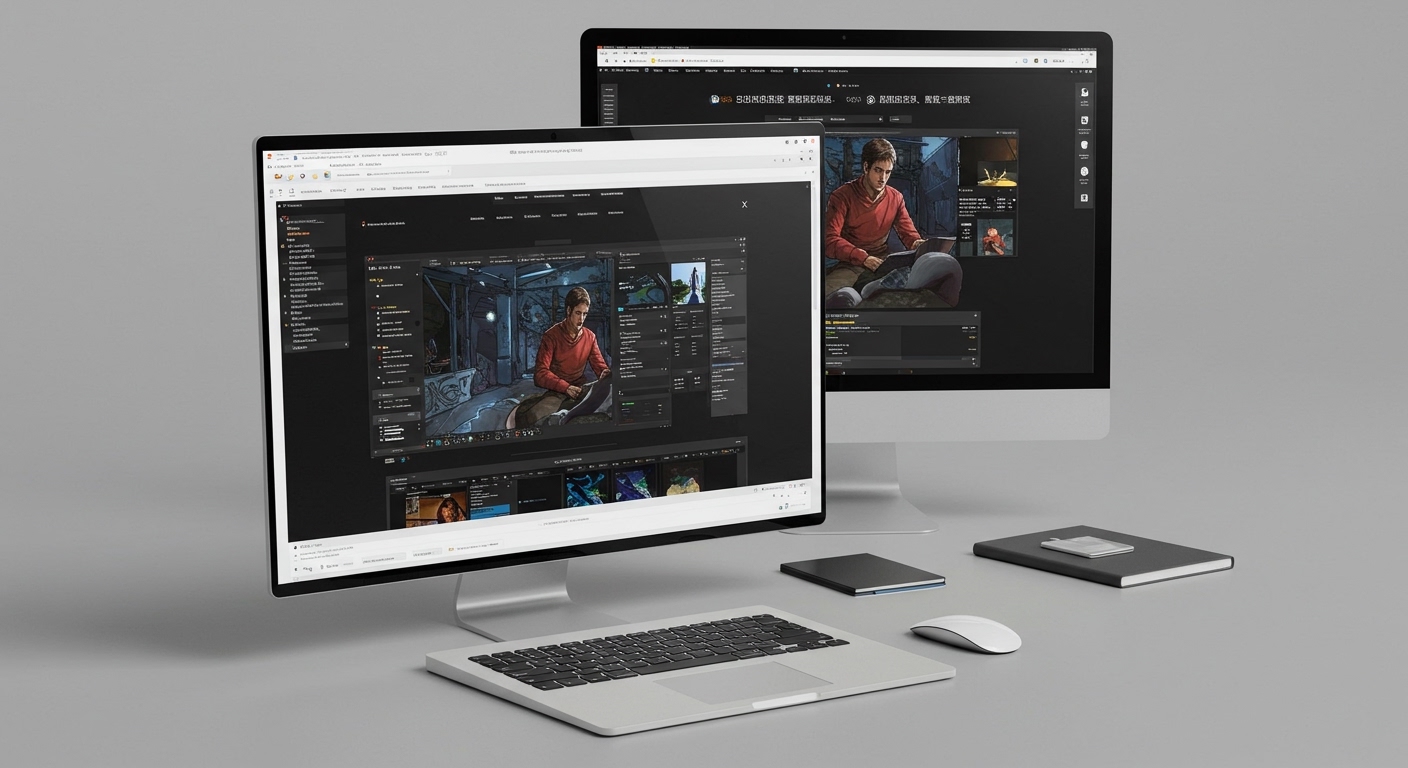
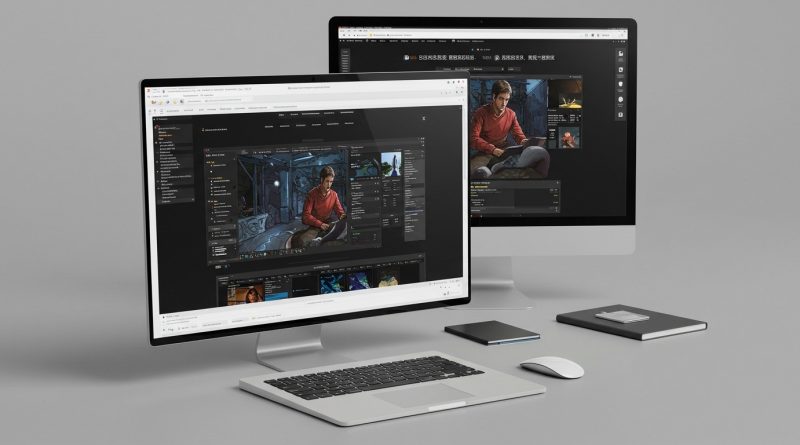
Studio375’s “Ten Years Away” project, a scroll-driven interactive comic transitioning from print to WebGL, demonstrates the current industry fascination with deeply immersive web experiences.
These recent examples, from “The Sleepers” and its lightweight WebGL atmospherics to the “border-shape” CSS property, reveal a concerted industry push to expand the web’s canvas beyond traditional document layouts. There is a clear pattern towards incorporating more advanced visual techniques, 3D environments, and complex motion, often driven by scroll interaction, into core web experiences, while simultaneously seeking native browser support for intricate shapes.

Studio375’s “Ten Years Away” serves as a prime example of this trend, leveraging WebGL to transform a static comic into a dynamic, scroll-driven narrative. The project, with its roots in print and subsequent WebGL implementation, suggests a pursuit of enhanced engagement through three-dimensional space and cinematic pacing. A common industry sentiment celebrates such projects primarily for their technical prowess and visual spectacle, often hailing them as the future of web content. However, this publication holds a different view: the widespread adoption of full-page WebGL narratives for content delivery, while undeniably sophisticated, frequently introduces unnecessary performance overhead and accessibility barriers that contradict the web’s foundational principles of universality and resilience. Prioritizing simulated immersion over semantic structure and baseline performance creates a beautiful but inherently fragile experience. The core strength of the web lies in its flexible, semantic structure and its ability to deliver information universally, not necessarily in mimicking offline media through heavy 3D engines, which often sacrifices legibility and access for a transient “wow” factor.
This approach frequently results in a visually rich experience that is ultimately brittle and exclusive. Websites built predominantly around technologies like Three.js, as seen in “Building an Interactive Wave Propagation Cube Grid with Three.js” and “Building a Scroll-Driven 3D Gallery Using a Blender Camera Path,” can become heavily dependent on high-end client hardware, modern browser capabilities, and robust network connections. This dependency inherently excludes a significant portion of the global audience, particularly those in emerging markets or with older devices, creating a digital divide. The craft of front-end development, in these instances, leans towards engineering spectacle rather than robust, inclusive design. Such intensive computational and data demands compromise not only reach but also the sustainable performance necessary for a healthy web ecosystem. By mid-2027, the industry will recalibrate its enthusiasm for pervasive, full-page 3D content, shifting its focus from broad narrative immersion to highly specific, functional applications where 3D truly adds unique, irreplaceable value, such as real-time data visualization, complex product configurators, or highly interactive educational simulations, rather than general storytelling or content presentation.
The primary opposing force to this more grounded approach is the relentless demand for novelty and “brand differentiation” from marketing departments and creative agencies. This pressure frequently encourages the adoption of visually complex solutions, driven by a desire to capture immediate attention through spectacle, sometimes at the expense of long-term maintainability, universal access, and core user experience fundamentals. The increasing availability and relative ease of use of powerful libraries like GSAP and Three.js also lowers the technical barrier for creating elaborate, potentially unoptimized, immersive experiences. This accessibility, while positive in some contexts, ironically fuels the trend towards gratuitous complexity by making it achievable for those who may not fully grasp its implications for performance and accessibility.
Web design professionals should prioritize mastering advanced native CSS capabilities, such as the forthcoming border-shape property for complex layout geometry, and judiciously apply SVG animations and transitions before defaulting to heavy JavaScript frameworks or WebGL for visual effects. This strategic choice ensures broader compatibility across diverse devices and browsers, establishes a more resilient baseline performance, and contributes to greater long-term maintainability for the majority of web projects. It refocuses craft on progressive enhancement and intrinsic web capabilities, rather than resource-intensive overlays.
TL;DR
The web’s increasing embrace of immersive 3D and complex motion requires a critical re-evaluation of performance, accessibility, and the true purpose of content delivery.
Curated References
About this editorial — This piece was developed using AI-assisted research and curation across multiple industry sources. All analysis, opinions, and predictions represent the editorial perspective of JHDD. Sources are linked in the references section above.