
JHDD Branding Report — 2026.07.14
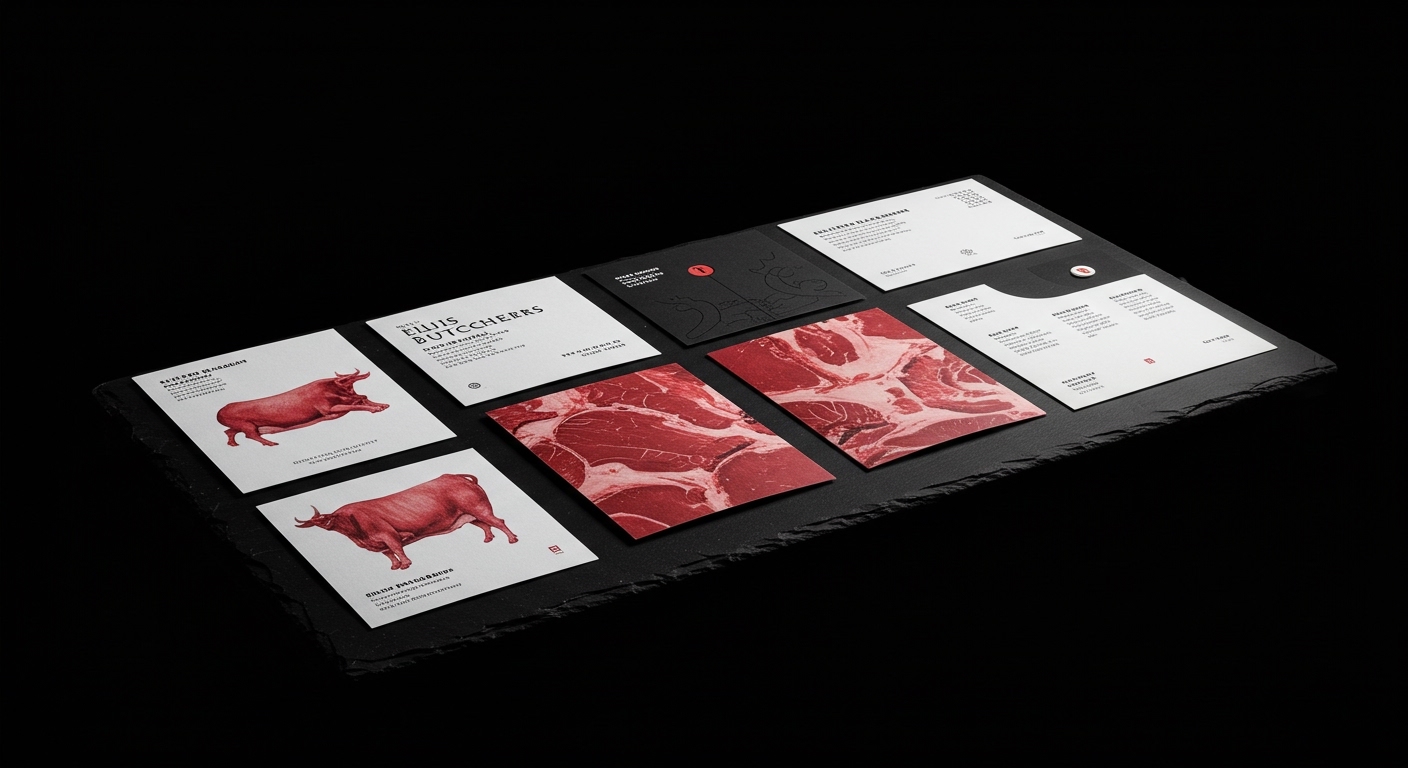
Studio Blackburn’s branding for Ellis Butchers is notable for its unflinchingly carcass-centric aesthetic, yet it evokes warmth.
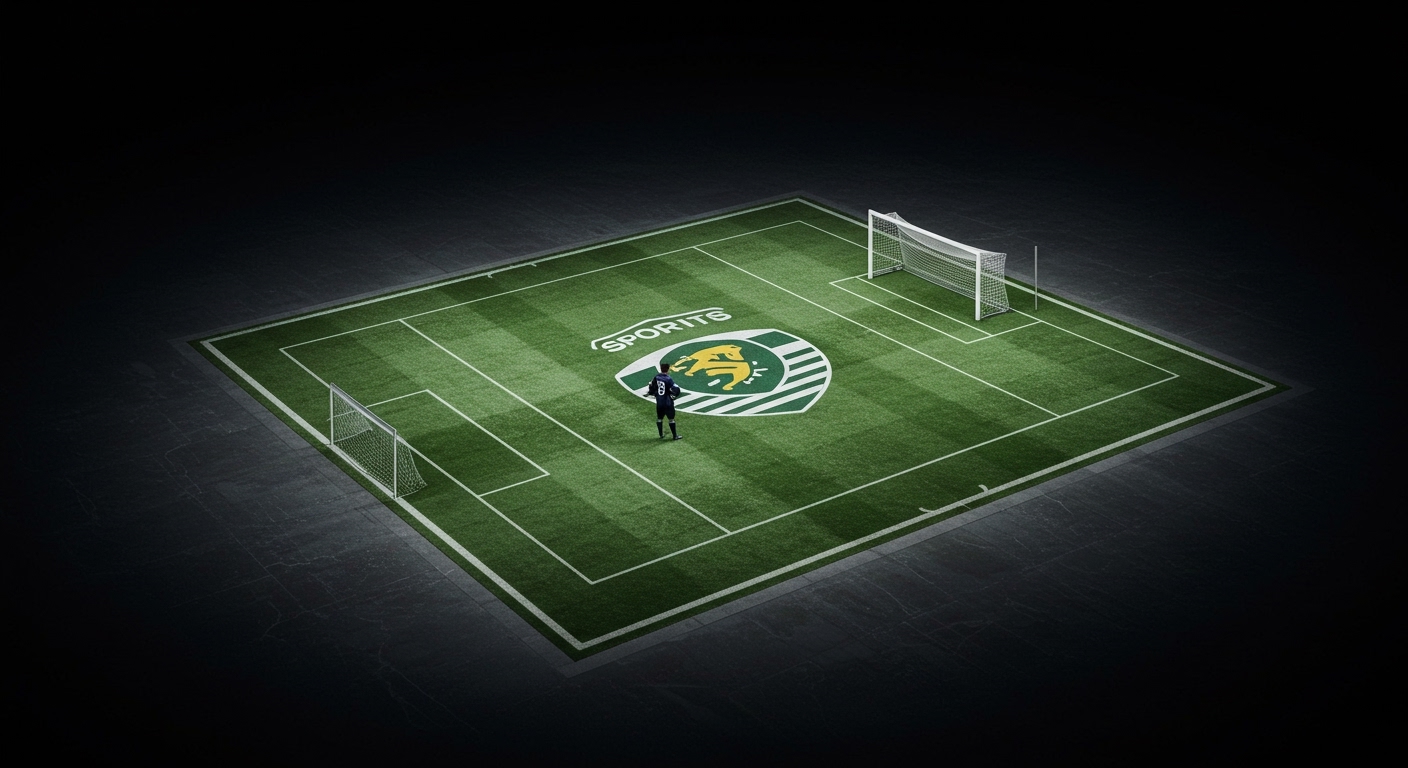
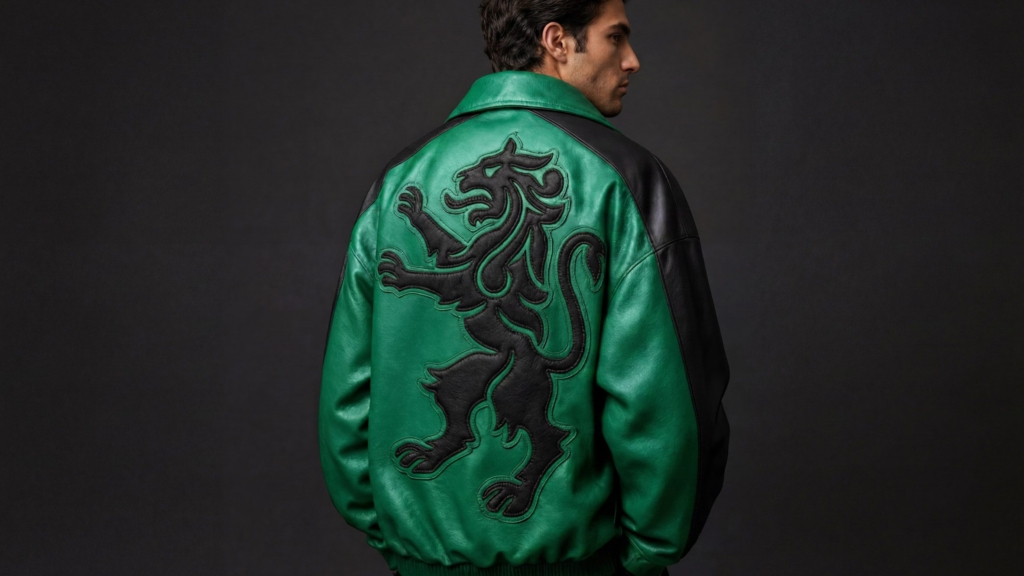
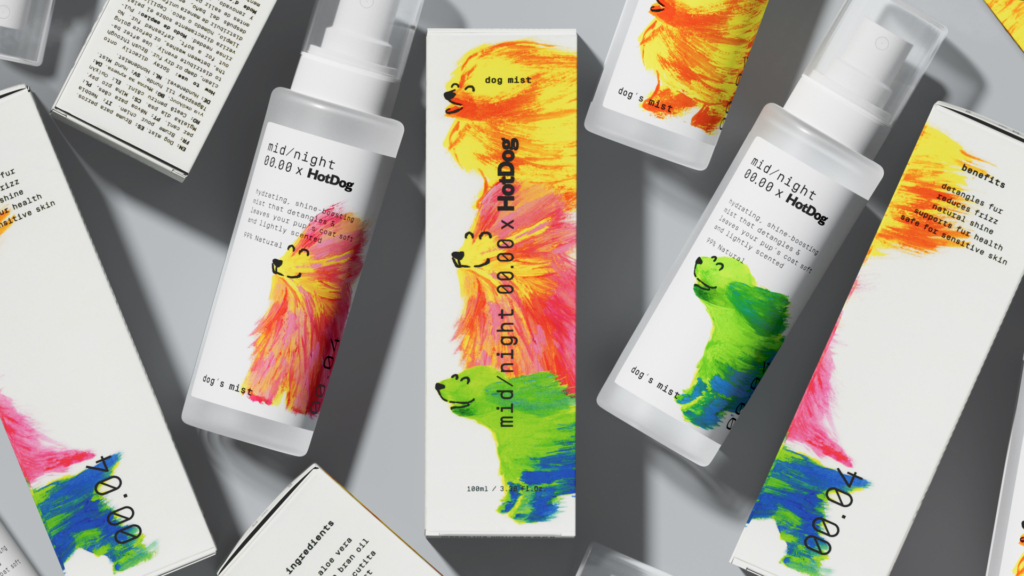
This project, alongside SMLXL’s joyful designs for Midnight Hotdog and JKR’s heritage-rich overhaul of Sporting CP, points to a growing valorization of intrinsic, sometimes unvarnished, brand truths. These efforts move beyond generic aspirational messaging, instead drawing strength from the specific, even idiosyncratic, realities of their subjects. Cultural signals are being amplified not by abstraction, but by direct engagement with what makes a brand what it is, however unconventional.
The conventional wisdom often dictates that brands should smooth over perceived rough edges, presenting a sanitized, idealized version of themselves to maximize appeal. For a “whole-carcass butcher business” like Ellis Butchers, this might typically involve generic imagery of pristine cuts or pastoral scenes. However, Studio Blackburn instead leans directly into the visceral reality of the trade. By not shying away from raw-flesh-laden imagery, they create an identity that, paradoxically, feels more authentic and trustworthy. This isn’t about shock value; it is about signaling confidence in the craft and the product’s origin, building a brand equity rooted in transparent reality rather than manufactured idealism.
This strategy challenges the mainstream notion that universal appeal requires universal blandness. Brands like Midnight Hotdog, with its “bum-sniffing dogs” logo, are not attempting to appeal to everyone; they are intensely appealing to a specific audience. This particular, almost provocative, honesty cultivates a deeper connection with a defined audience, fostering loyalty that generic approaches struggle to achieve. By early 2028, this trend will lead to a noticeable bifurcation in market positioning: a decline in the effectiveness of broadly aspirational visual identities, and a rise in brands deliberately adopting niche, sometimes confronting, visual language to connect with culturally specific consumer groups.
The primary resistance to this approach comes from brand custodians and marketing teams who prioritize broad market acceptance over deep niche resonance, often due to perceived risk aversion or the pursuit of lowest common denominator appeal. These entities, particularly larger corporations or those operating in highly regulated sectors, frequently gravitate towards bland, inoffensive visual identities, fearing that specific cultural signals or “unflinching” honesty might alienate segments of their target audience or invite controversy. They remain fixed on avoiding negative reactions, rather than pursuing strong, positive, albeit narrower, connections.
Branding professionals should spend less time on competitor analysis focused solely on aesthetic trends and more time in direct ethnographic research of the product’s origin, the service’s delivery, or the subculture it serves. Instead of abstract mood boards built from stock imagery, professionals should insist on engaging with the raw materials, the processes, and the actual communities that define a brand. This might involve visiting a manufacturing floor, observing a service interaction firsthand, or participating in a relevant cultural event to uncover the authentic, potentially unconventional, signals that truly differentiate.
TL;DR
Brands build deeper equity by embracing specific, even raw, truths rather than generic idealism.
Curated References



About this editorial — This piece was developed using AI-assisted research and curation across multiple industry sources. All analysis, opinions, and predictions represent the editorial perspective of JHDD. Sources are linked in the references section above.