
JHDD UI UX Report — 2026.07.13
Walmart’s development of agentic retail experiences signals a fundamental shift in what constitutes a designed interface.
These recent discussions collectively highlight a systemic pivot: the traditional definition of user interface, once synonymous with screen-based visual elements, is rapidly dissolving into a landscape of conversational AI and autonomous agents. This redefinition demands a corresponding recalibration of design craft, moving focus from static artifact production to dynamic system outcomes and the underlying integrity that fosters user trust, especially when confronted with challenges like fabricated information.
Mainstream industry opinion frequently elevates the pixel-perfect Figma file or the meticulously documented design system as the zenith of design craft and impact. This perspective, however, overlooks a crucial aspect: a Figma frame has never shipped revenue, as noted in “Craft still matters, but it’s about outcomes.” The true measure of design is the product people use and the outcomes it generates, such as engagement, retention, and revenue. With agentic AI, as exemplified by Walmart’s retail initiatives, the interface is less about static screens and more about dynamic, proactive interactions that guide users without explicit commands. The craft now resides in defining the system’s handoff willingness, flexibility, and proactivity, which are essential for trustworthy AI chatbots, rather than perfecting visual layouts.
The design community must confront the idea that its traditional emphasis on visual output, while valuable for consistency, has narrowed its perceived impact. Instead, design systems must evolve beyond component libraries to define interaction patterns for multimodal interfaces, including voice and chat. These systems should codify not just visual styles, but also interaction qualities like emotional responsiveness and transparency. It is a predictable outcome that by mid-2027, the demand for UI designers focused exclusively on screen presentation will be significantly surpassed by the need for interaction designers skilled in architecting complex, outcome-driven conversational and agentic systems.
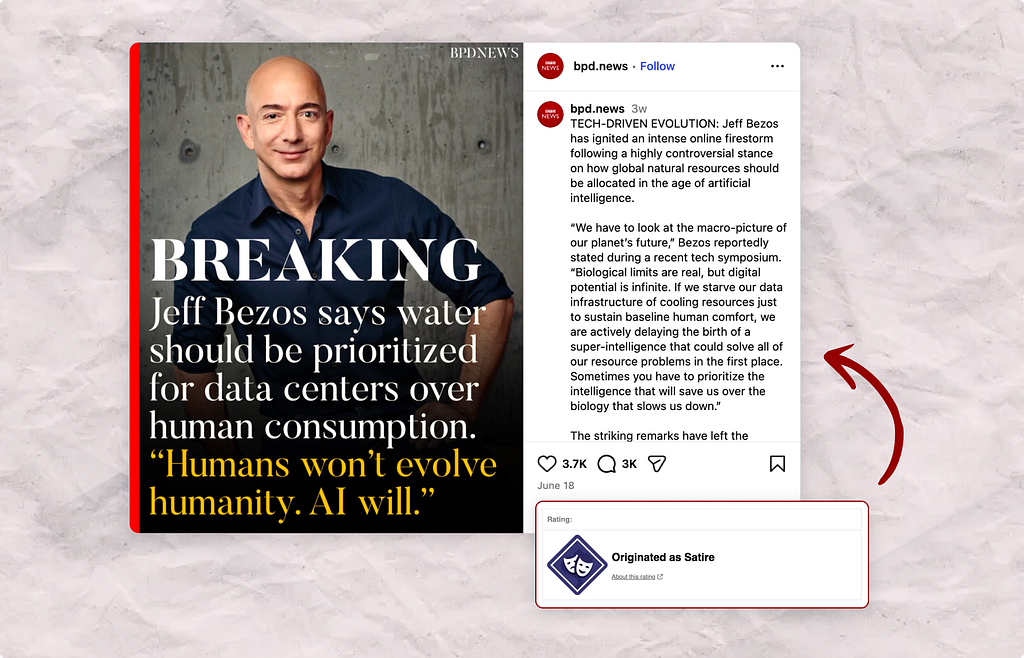
This transformation faces resistance from entrenched industry practices and educational pipelines that still prioritize traditional screen-based design deliverables. The rapid spread of misinformation, such as the fabricated Jeff Bezos quote published by BPD News, also underscores a significant opposing force: the inherent vulnerability of digital environments to manipulation and the erosion of trust. This phenomenon directly challenges the foundational qualities of transparency and trustworthiness that are critical for successful agentic AI, complicating the adoption of interfaces that rely on implicit user trust.
A working UI UX professional should dedicate time this week to identify one existing user flow in their product that could be reimagined through an agentic AI lens, specifically detailing how a human-to-AI handoff would occur and what level of transparency the AI would offer regarding its actions.
TL;DR
Design is shifting from screen-centric craft to outcome-driven agentic system orchestration, demanding a re-evaluation of design systems and a focus on transparency.
Curated References



About this editorial — This piece was developed using AI-assisted research and curation across multiple industry sources. All analysis, opinions, and predictions represent the editorial perspective of JHDD. Sources are linked in the references section above.