
JHDD UI UX Report — 2026.07.17

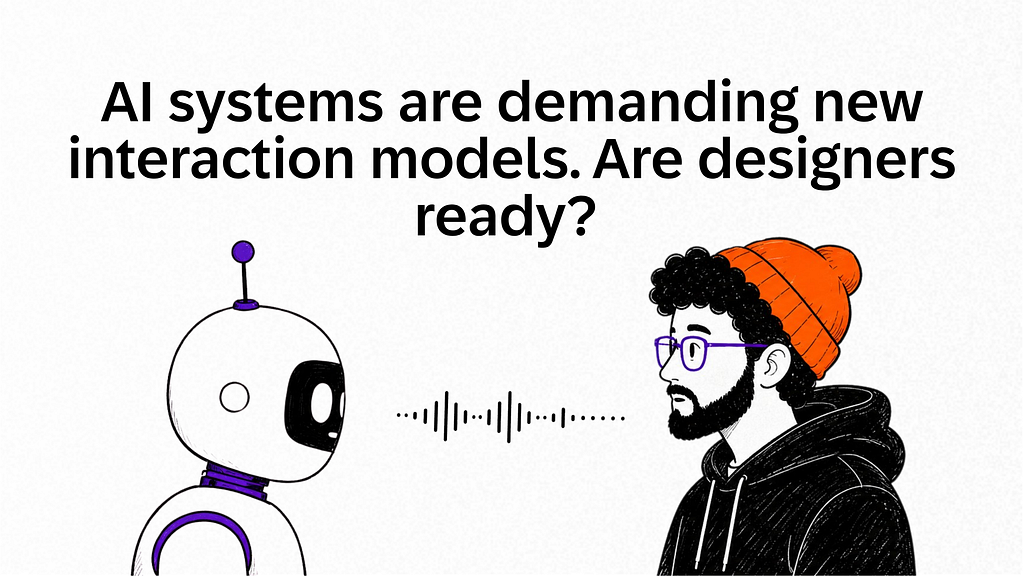
The conversational interactions offered by Alexa and Siri, long constrained by scripted bounds, are now being viewed through the lens of recent AI models that interpret intent and take action.
The recurring pattern across recent industry discussions is the tension between perceived technological novelty and enduring design principles. Each conversation, from AI’s impact on interaction models to the true value of building products, suggests a critical need to re-evaluate fundamental UX practices. The industry risks repeating past mistakes by overemphasizing technological capability while underestimating user needs and the wisdom of established standards.

L. Jeffrey Zeldman’s pivotal role in advocating for web standards during the browser wars offers a crucial historical parallel. The mainstream industry opinion today frequently asserts that new AI interfaces operate on a “blank frontier” with “new rules, no map.” This perspective is deeply flawed. Just as early web developers learned the hard way that ignoring standards led to expensive rework, user distrust, and rapid product aging, current AI builders face the same pitfalls. The assumption that AI’s powerful capabilities negate the need for established interaction patterns, such as clear visual feedback, predictable navigation, or adherence to accessibility guidelines, is a costly delusion. The complexity of AI’s internal workings does not exempt its external interface from the foundational principles of discoverability, feedback, error prevention, and user control, which are core tenets of usability. Ignoring these lessons results in interfaces that users never fully trust, a direct financial burden.
As AI systems continue to evolve from merely responding to user input to interpreting intent and taking autonomous action, the temptation to abandon established interface metaphors entirely will intensify. Designers might be pressured to create purely conversational or invisible interfaces that leverage AI’s ability to “build” on the fly. However, by mid-2028, the market will witness a significant backlash against overly opaque or unguided AI interfaces that lack visual scaffolding and predictable user controls. Products prioritizing novel AI features solely for their technological prowess, rather than their demonstrated user benefit, will experience higher churn and lower adoption rates. This will necessitate a strategic return to hybrid interaction models that thoughtfully integrate conversational and generative AI elements within conventional graphical user interface frameworks, emphasizing user agency and transparent system state.
The primary opposing force to a more grounded, standards-based, and user-centric approach comes from product and “AI leaders” who operate under the flawed assumption that everyone inherently craves new AI features. This viewpoint, highlighted by Vitaly’s observation in “Design Patterns For AI Interfaces,” leads companies to invest heavily in building AI capabilities “just because you can,” rather than because they solve a critical user problem or enhance existing workflows. This approach mirrors the “wrong fight” described in industry commentary, where the focus remains on how to build technological marvels, rather than why or whether they genuinely benefit the end-user. This drive for perceived innovation often sidelines rigorous user research and the long-term cost of neglecting established usability principles.
UI UX professionals should dedicate specific time this week to mapping established interaction patterns (e.g., direct manipulation, command-line interfaces, form inputs) against proposed AI features. Evaluate where a new AI capability genuinely requires a novel interaction model versus where it can be integrated within existing, understood paradigms, thereby leveraging user mental models and reducing learning curves. This exercise should explicitly include an accessibility audit for hybrid interfaces.
TL;DR
The drive to invent new AI interaction models overlooks established design standards and user needs, leading to predictable failures that could be avoided by applying historical lessons and focusing on pragmatic usability.
Curated References



About this editorial — This piece was developed using AI-assisted research and curation across multiple industry sources. All analysis, opinions, and predictions represent the editorial perspective of JHDD. Sources are linked in the references section above.