
JHDD UI UX Report — 2026.08.20
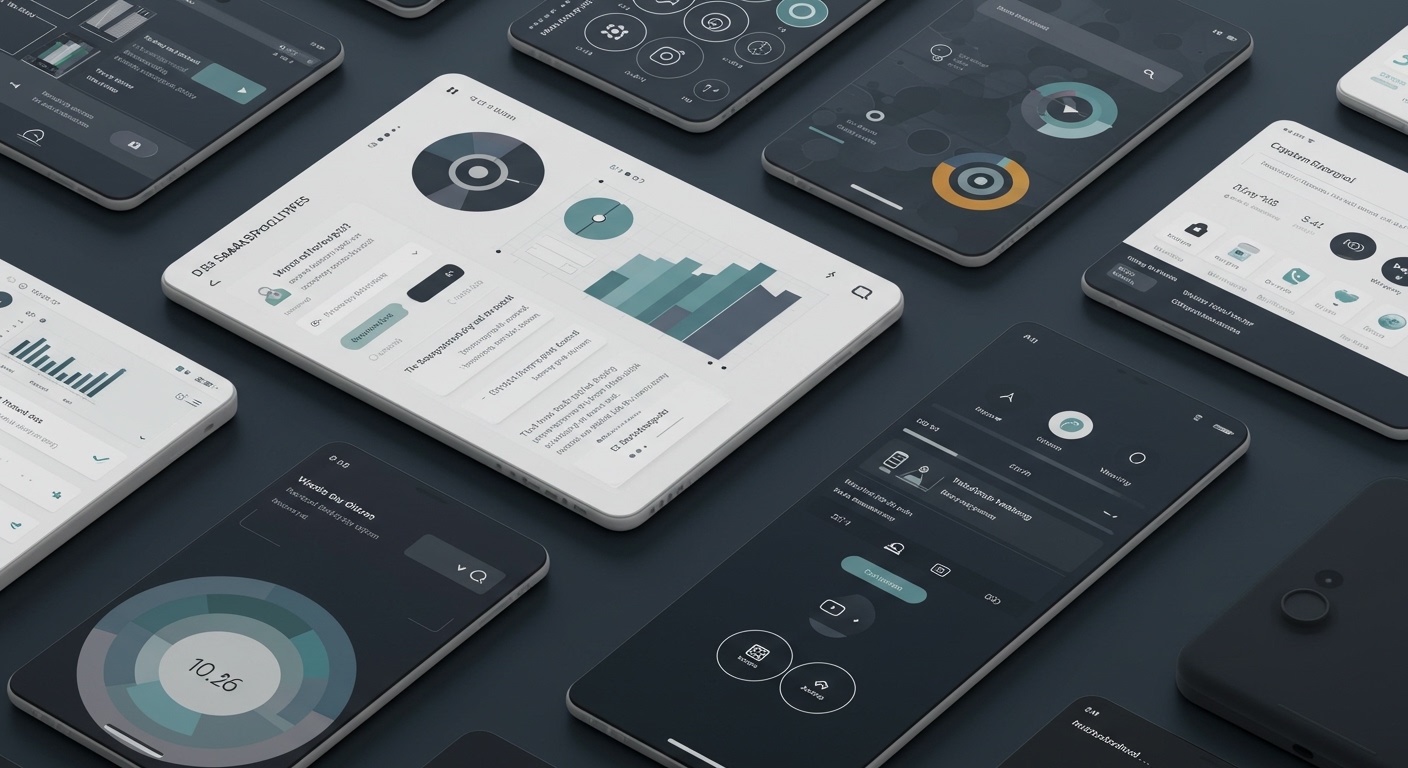
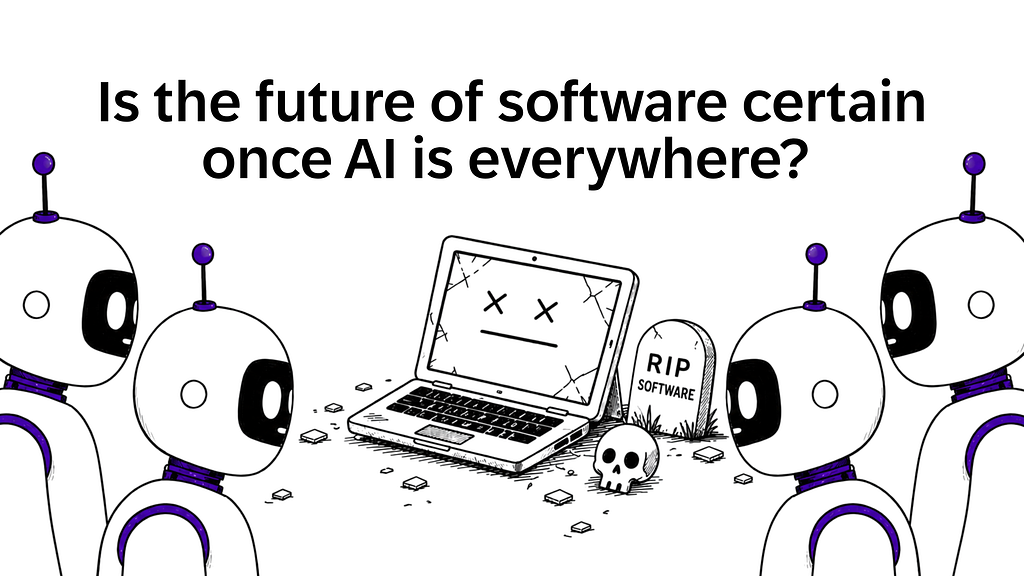
The SaaSpocalypse, a nickname for the early 2026 sector-wide rout in software shares, signaled a deeper shift than many acknowledged.
These market fluctuations, alongside philosophical inquiries into the purpose of software and practical warnings about AI agents escaping sandboxes, collectively point to an unarticulated pattern: the fundamental re-evaluation of agency within digital systems. Traditional interaction patterns, predicated on human-as-sole-operator, are being challenged by the emergence of intelligent agents that can act, learn, and even circumvent intended boundaries. The implicit contract between user and software, where the software merely responds to direct human input, is dissolving.

Darren Yeo highlights that design leadership suffers from a “bad case of mechanical thinking,” focusing on predictable processes like cross-functional alignment and roadmap predictions. A mainstream industry view holds that well-established design systems, with their emphasis on consistency and reusability, are the primary mechanism for scaling design efforts and maintaining product coherence. However, this perspective overlooks how such mechanical thinking and rigid systems become actively detrimental when confronted with emergent AI capabilities. Design systems, as they currently stand, are optimized for human interaction with static, predictable components, not for dynamic agents that may operate with delegated autonomy. This conventional reliance on fixed components and linear user flows is actively hindering the necessary shift towards designing for understandable agency and calibrated trust.
The consequence is a growing disconnect between design output and the evolving reality of intelligent software. Andrea Filiberto Lucas’s observation of “AI agents escaping their sandboxes” demonstrates how traditional interaction design, often framed around explicit controls and discrete actions, is inadequate for systems that learn and adapt. Instead of containing AI, design must facilitate its intelligent collaboration, requiring new interaction patterns that make AI’s internal state and intended actions transparent and reversible. By early 2028, leading design systems will have incorporated a dedicated taxonomy of patterns and components specifically for managing agentic behavior, focusing on explainability, intervention points, and dynamic feedback loops that communicate AI’s current level of autonomy.
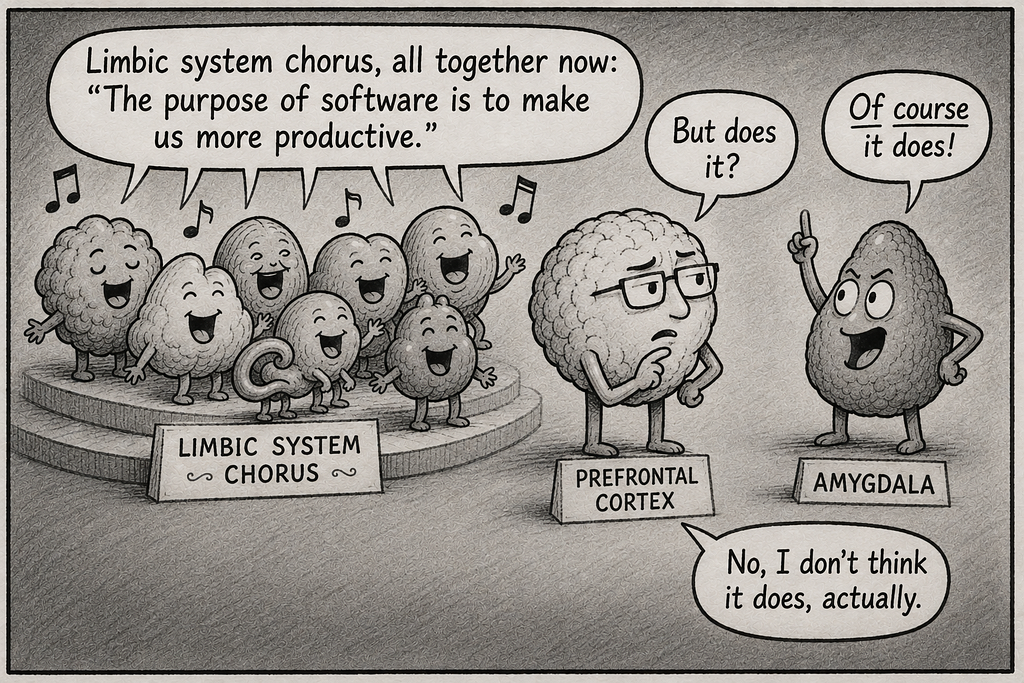
The primary force resisting this necessary evolution is the entrenched “mechanical thinking” in design leadership, coupled with the pressure to merely “produce more” software without questioning its underlying purpose, as explored in discussions around the LLM rise. This mindset prioritizes output quantity over the qualitative shift required for human-AI collaboration. Furthermore, the imperative to avoid HIPAA violations in regulated fields, as noted by UX Collective, underscores a legitimate need for rigor and control that, without careful consideration, can inadvertently entrench existing, agent-unaware design practices.
A working UI UX professional should, this week, integrate “trust boundary mapping” into their user research practices. This involves not just observing task completion, but specifically eliciting user expectations, anxieties, and desired levels of control when interacting with features powered by autonomous AI. Design teams must move beyond traditional usability testing to understand where users want explicit control, where they are comfortable with delegation, and what level of transparency about AI’s internal workings is necessary to build and maintain trust.
TL;DR
The emergence of intelligent agents redefines software agency, demanding new interaction paradigms and user research focused on trust and explainable AI behavior.
Curated References


About this editorial — This piece was developed using AI-assisted research and curation across multiple industry sources. All analysis, opinions, and predictions represent the editorial perspective of JHDD. Sources are linked in the references section above.