JHDD 3D Modeling Report — 2026.08.20
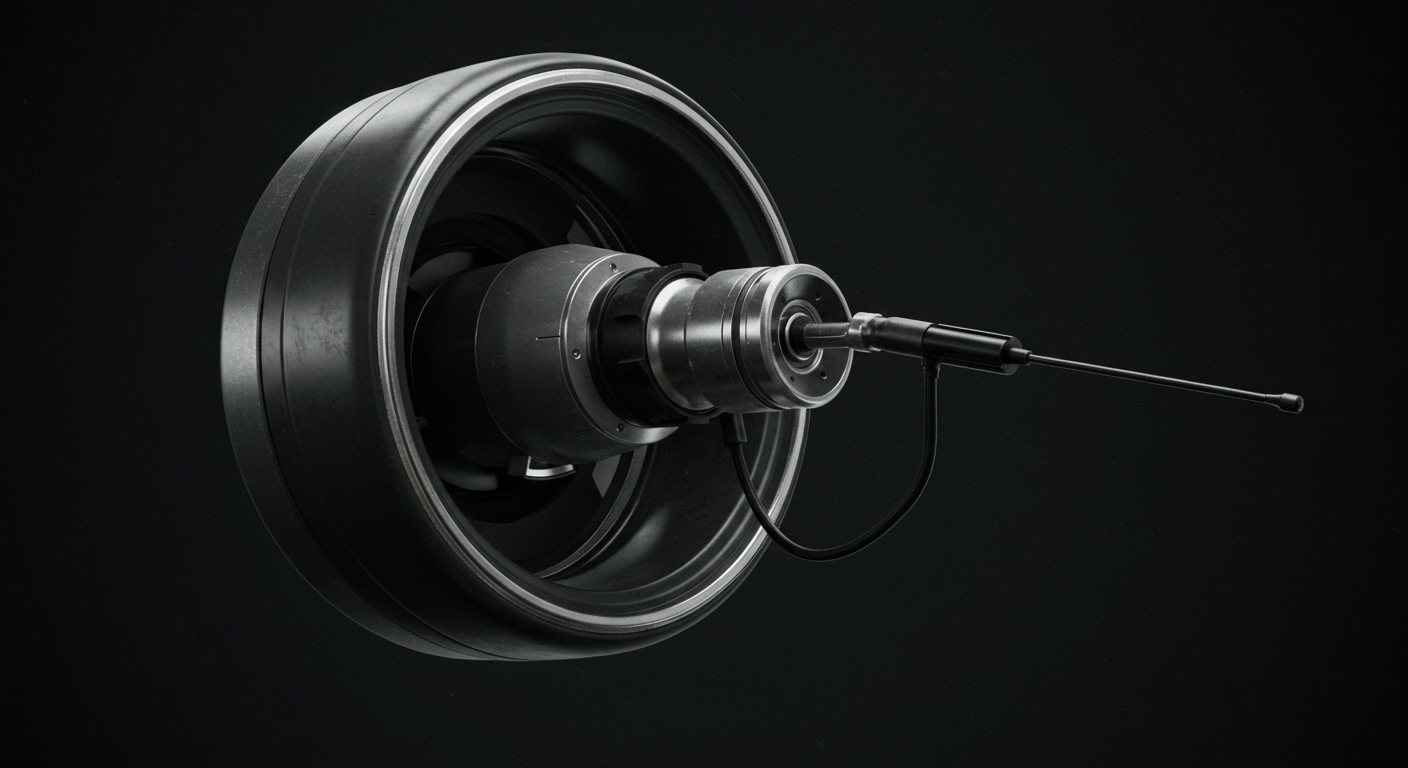
FocalRig’s implementation in Unreal Engine’s Game Animation Sample Project showcases a clear shift from pre-authored aim offsets towards precise procedural look and aim.
These disparate reports, from seamless dungeon generation to character facial dynamics, collectively reveal a deepening reliance on emergent complexity within virtual spaces. The underlying pattern is not merely efficiency in content creation, but a fundamental redefinition of realism. Digital environments are moving beyond static assets and pre-scripted behaviors towards systems that react and evolve dynamically, producing hyper-realistic detail and unpredictable visual fidelity through algorithmic design and responsive lighting.
Many in the industry still view procedural generation primarily as a tool for scaling content, a method to populate vast open worlds without hand-crafting every tree or rock. This perspective misses the profound impact on perceived realism. The true value lies not in making more repetitive elements, but in generating unique, dynamic outputs that exceed the detail and reactive capacity of static, authored content. For instance, the Unity-based Labyrinth Procedural Generator demonstrates how entire virtual architectures can be formed with inherent structural logic, responding to real-time parameters rather than being a fixed design.
This approach, when combined with advanced lighting dynamics, allows for a level of detail and character expressiveness previously unachievable through traditional methods. The example of shadows making a character’s face change in a disturbing way illustrates how lighting, procedural textures, and dynamic material properties are becoming integral to character performance and emotional impact, rather than just environmental aesthetics. It indicates that the subtle interplay of light and form can generate emergent qualities in a character model that no static texture map could replicate. By mid-2027, the industry will see a marked decline in the perceived quality of character models that do not integrate robust, dynamic lighting and material systems designed for real-time procedural shifts.
Resistance to this trend often comes from traditional character animation studios and artists deeply rooted in the craft of keyframe animation and meticulously hand-sculpted models. Their investment in established pipelines and a perceived loss of direct artistic control leads them to view algorithmic generation as a threat to artisanal quality, preferring the explicit authorial hand even for elements that could benefit from dynamic, emergent properties. The extensive effort dedicated to reimagining Morrigan Aensland from Capcom’s Darkstalkers in a realistic style, while commendable, could be interpreted as an adherence to this explicit, non-dynamic form of realism.
A working 3D Modeling professional should immediately begin integrating procedural material generation workflows into their current projects. This involves moving beyond static PBR texture sets and experimenting with node-based material systems that can respond to real-time data, such as distance fields, light angles, or even simulated physics, allowing for dynamic wear, environmental blending, and responsive visual effects directly on their models.
TL;DR
Procedural systems are now integral to creating dynamic hyper-realism, moving beyond static assets.
Curated References
About this editorial — This piece was developed using AI-assisted research and curation across multiple industry sources. All analysis, opinions, and predictions represent the editorial perspective of JHDD. Sources are linked in the references section above.