
JHDD UI UX Report — 2026.08.17

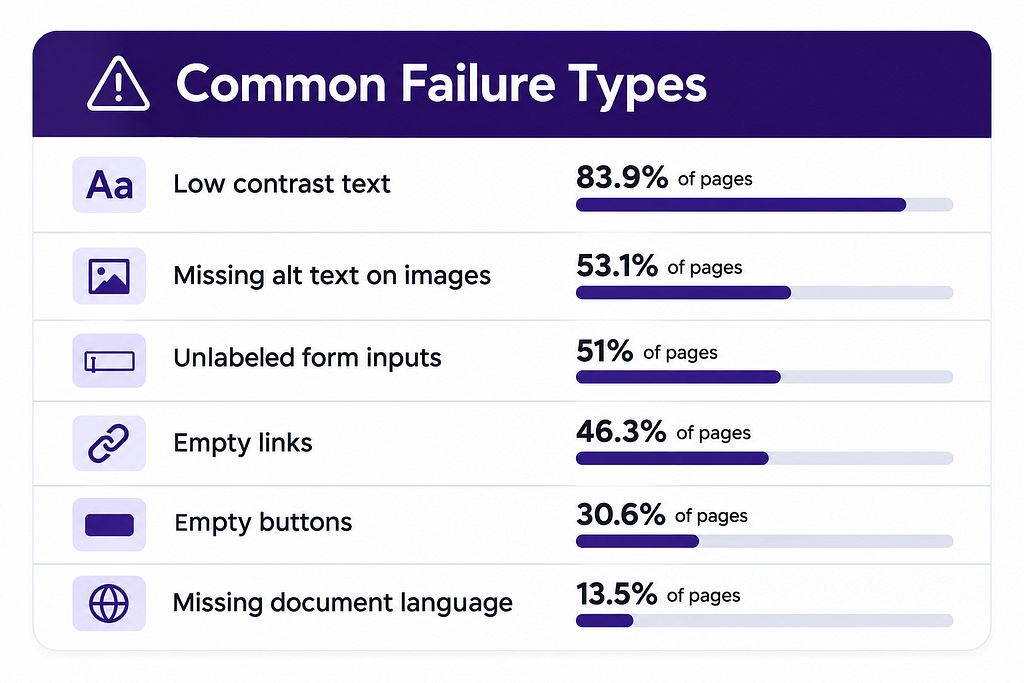
WebAIM’s 2026 report revealed a concerning 95.9% of analyzed home pages contained detectable accessibility barriers, reversing a six-year trend of slow improvement.
This enduring failure of basic accessibility, despite years of awareness and available tooling, connects directly to the industry’s frenetic pursuit of AI-driven speed. Design tools and processes are shifting, with engineers reportedly shipping faster than designers can prototype, and new AI agents and workflows emerging. This emphasis on accelerating initial output, often celebrated as solving the “blank page problem,” inadvertently masks a growing deficit in fundamental quality and verification. The promise of faster starts obscures the increasing burden of ensuring correctness and usability, turning foundational design principles into an afterthought rather than an integrated practice.
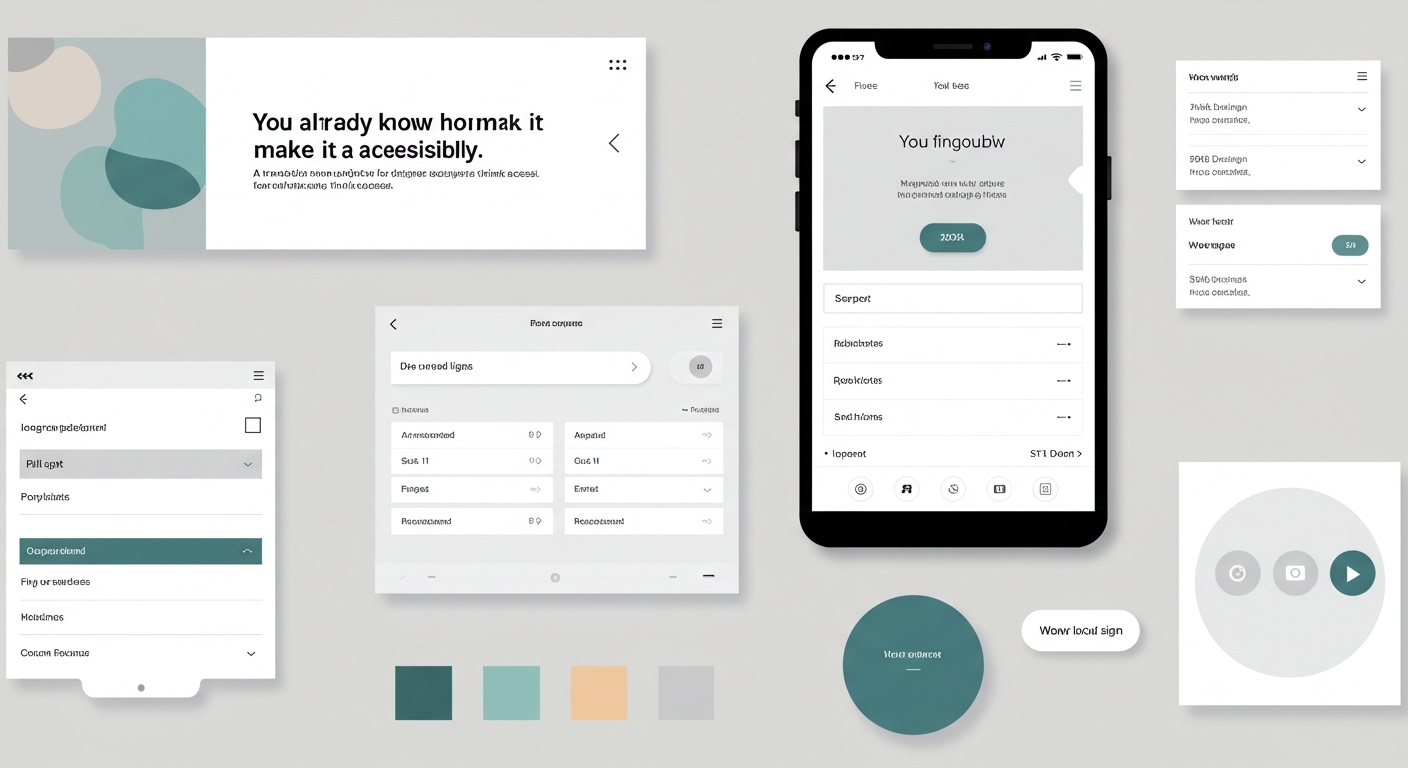
The conventional wisdom suggests that widespread AI adoption, epitomized by tools like Anthropic’s Claude Design, will democratize design and accelerate development cycles, ultimately leading to better products delivered faster. However, this perspective overlooks the inherent value of meticulous, human-centric design work that AI currently struggles to replicate. The persistent nature of accessibility failures, such as those identified by WebAIM’s consistent reporting on issues like contrast and meaningful content, demonstrates that complex human understanding and nuanced user needs cannot be offloaded to AI without significant human oversight and expertise. Mainstream opinion often views AI as a panacea for efficiency, but it primarily streamlines the easiest parts of the design process—the initial generation—while pushing the more critical, qualitative work downstream. This shifts the burden of quality control to later stages, where errors are harder to spot and more costly to fix, as noted in the observation that “getting started is not getting it right.”
A more accurate view posits that the push for AI-powered design, while creating new roles and tools, risks amplifying existing systemic weaknesses in design processes, particularly in areas like accessibility and robust interaction patterns. The relentless focus on “tokens” and rapid iteration without commensurate investment in expert verification and fundamental design education will not lead to higher quality, but rather a proliferation of output that passes basic checks but fails real human users. By mid-2027, the industry will see a marked increase in public-facing, high-profile product failures directly attributable to AI-generated design elements that were insufficiently validated by human experts for accessibility and usability.
The primary opposing force to this trajectory is the entrenched short-term commercial pressure to demonstrate AI adoption and achieve rapid iteration speeds. Stakeholders often prioritize tangible, immediate output metrics over the less quantifiable, long-term benefits of robust usability and accessibility. This pressure is compounded by a misplaced psychological ownership among designers who focus on the outputs of AI tools rather than their own agency in defining quality and validating outcomes.
A working UI UX professional should, this week, dedicate specific time to auditing existing interaction patterns within their product against established accessibility guidelines, explicitly identifying instances of poor contrast, ambiguous labeling, or non-meaningful interactive elements that WebAIM has consistently highlighted. This is not about compliance checks, but about retraining one’s eye to identify the fundamental design failures AI tools are currently ill-equipped to prevent or correct without explicit, expert guidance.
TL;DR
The drive for AI-accelerated design risks neglecting fundamental interaction and accessibility principles, creating new burdens for human verification.
Curated References

About this editorial — This piece was developed using AI-assisted research and curation across multiple industry sources. All analysis, opinions, and predictions represent the editorial perspective of JHDD. Sources are linked in the references section above.