JHDD UI UX Report — 2026.08.02
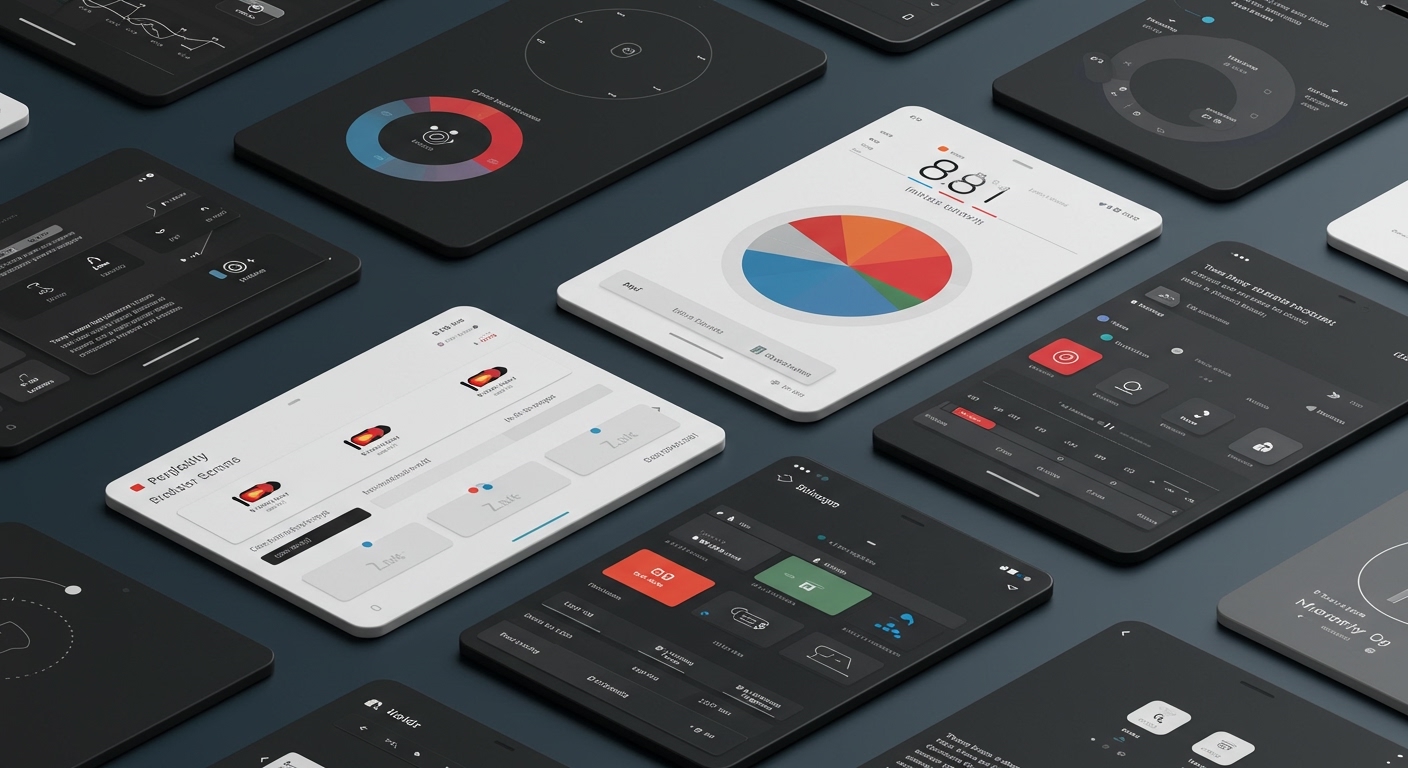
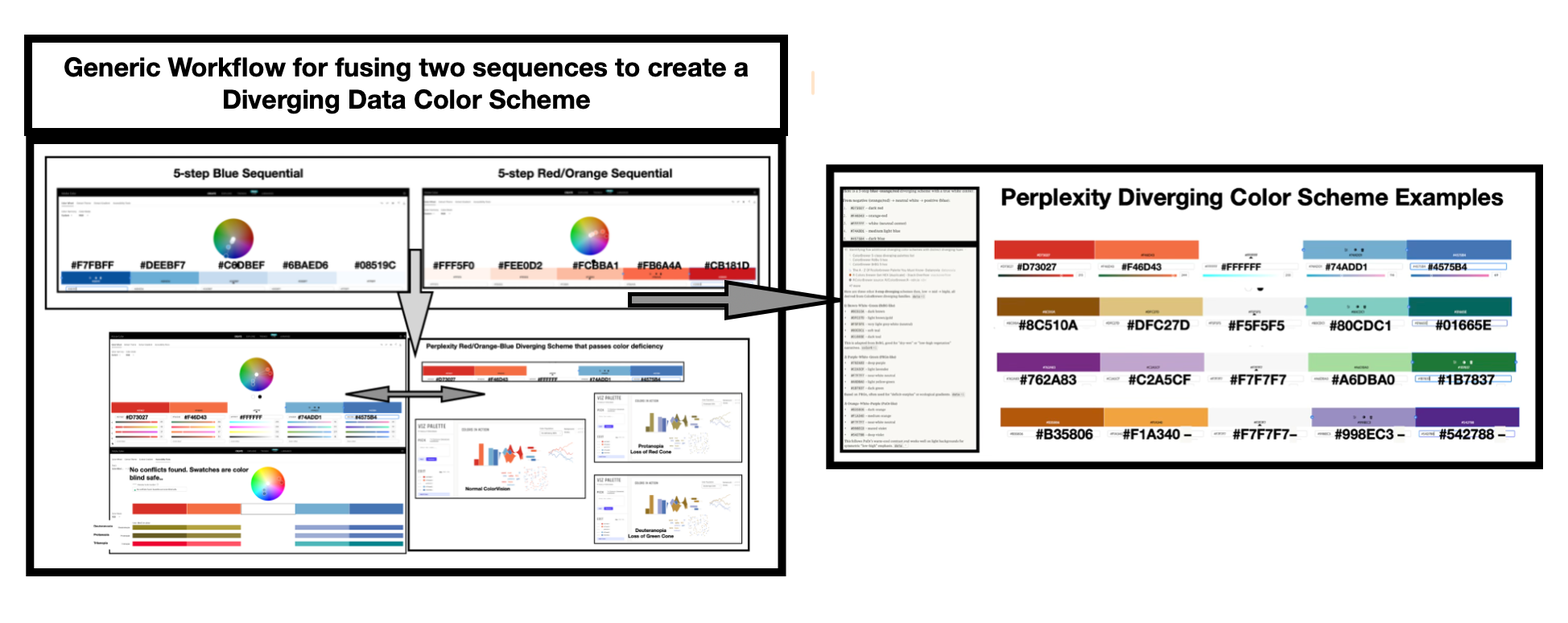
Perplexity’s announced ability to build data color schemes using Generative AI signifies a shift in fundamental design responsibilities.
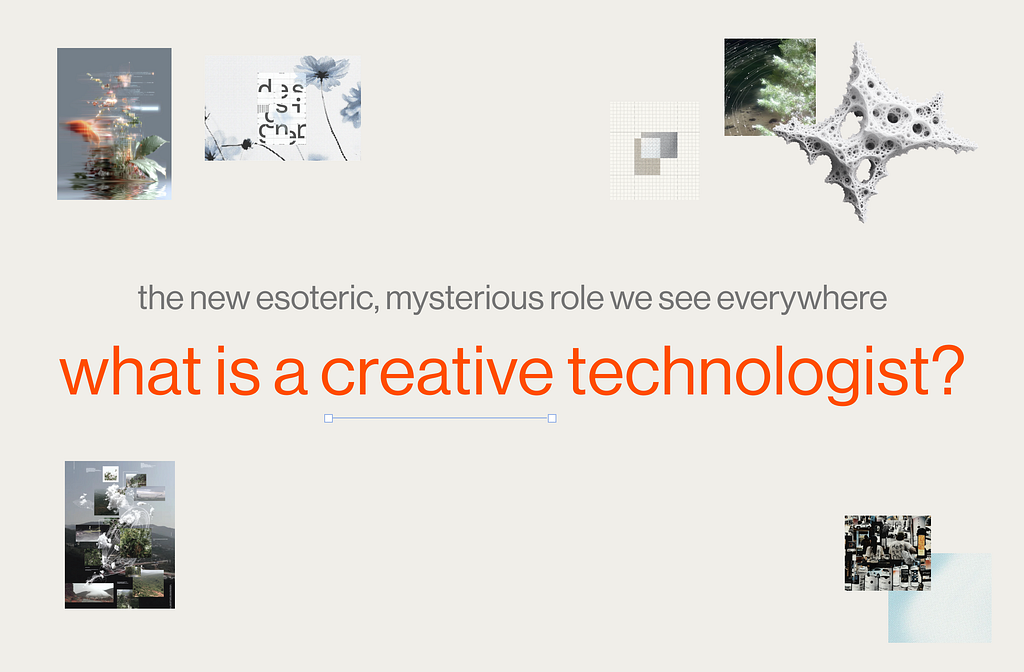
This development, alongside the rising prominence of the Creative Technologist as described by Ioana Teleanu, reveals a pattern of increasing integration between design ideation and technical execution. Design teams are being pushed to operate across design, code, systems, and storytelling, even as the field struggles to consolidate a clear professional identity beyond the broad label of “UX”. The traditional boundaries between specifying interaction patterns, ensuring usability, and implementing design system components are dissolving under the pressure of sophisticated automated tools and a demand for end-to-end fluency.
Ioana Teleanu notes that Creative Technologists are moving from the margins to the center, becoming a core capability inside modern product teams. This role embodies the convergence of skills necessary to bridge the gap between abstract design concepts and tangible interactive experiences. While mainstream industry opinion often holds that AI will automate mundane design tasks, allowing designers to focus on higher-level strategic thinking, this view misses a critical implication. The real challenge and opportunity lie in a deeper engagement with the technical layer. For instance, when generative AI can produce robust color schemes or even foundational interaction patterns, the designer’s role expands to precisely articulate constraints, evaluate algorithmic outputs for accessibility and usability edge cases, and integrate these outputs into larger design systems. This requires a strong understanding of both the human interface and the underlying code and system logic. The designer becomes less of a creator of static artifacts and more of an orchestrator and educator of intelligent design tools.
This expanded role contradicts the conventional idea that specialization is always more efficient in large organizations. Instead, the advanced capabilities of generative AI for specific design tasks, like those demonstrated by Perplexity, demand a more T-shaped or even X-shaped professional—someone with broad knowledge across disciplines and deep expertise in critical integration points. By mid-2028, the distinct responsibilities separating UI designers focused on component aesthetics and front-end developers implementing those components will largely merge within many product organizations, evolving into a unified “Design Systems Engineer” role. This shift will primarily impact the creation and maintenance of shared interaction patterns and reusable elements, requiring a single individual to own both the visual and functional integrity.
The primary resistance to this evolution stems from the inertia embedded within existing organizational structures and entrenched professional identities. The survey confirming “UX” as the default name for the field, despite its inherent ambiguity and the fragmentation of alternative titles, highlights this stubborn adherence to established labels. Teams often operate within silos defined by these traditional job titles, which creates artificial boundaries that hinder the fluid collaboration and cross-functional skill development now required. Budget allocations, career ladders, and even mentorship structures often reinforce these divisions, making it challenging for individuals to cultivate the hybrid capabilities necessary for the integrated future.
Working UI UX professionals should immediately begin integrating generative AI tools directly into their design system workflows for interaction patterns and component generation, moving beyond basic ideation. Specifically, take an existing component—such as a button or a form field—and use a generative AI tool to explore its variations in states (hover, active, disabled) or generate accessible color palettes for different themes. Then, instead of just using the AI’s output, spend time learning to refine prompts, understand the parameters influencing the output, and validate the generated assets against accessibility standards (WCAG guidelines) and usability heuristics. This practical engagement fosters the hybrid skillset of designer-as-orchestrator and technologist.
TL;DR
Generative AI in design demands that UI UX professionals cultivate integrated design and technical skills, despite ingrained industry specialization.
Curated References
About this editorial — This piece was developed using AI-assisted research and curation across multiple industry sources. All analysis, opinions, and predictions represent the editorial perspective of JHDD. Sources are linked in the references section above.