
JHDD UI UX Report — 2026.07.10

A senior designer at a major tech company recently observed an AI model generate a search box with a blur animation and accessibility features that surpassed what the designer would have built. This specific observation highlights a critical pivot point for design practice.
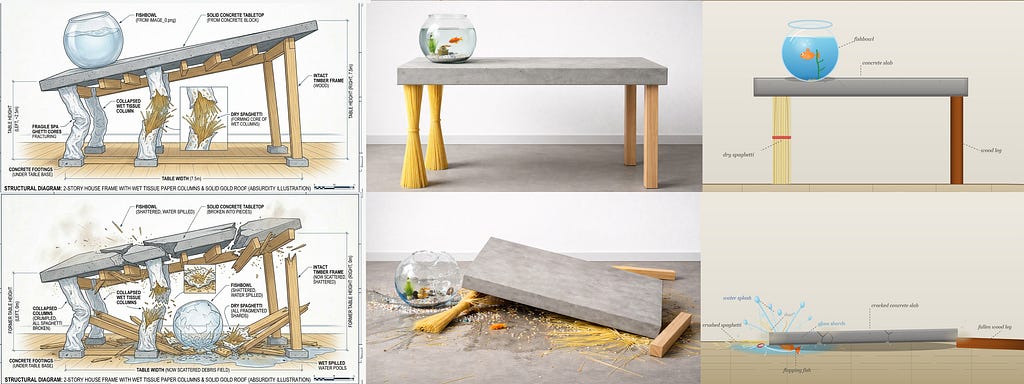
The individual accounts of design’s encounter with generative AI, from the Spotify playlist missing contextual protest meanings to the “Spaghetti Table Protocol” revealing structural absences, collectively point to a growing bifurcation. AI is increasingly adept at automating the “how” of design—generating components, optimizing code, even suggesting accessibility improvements. However, it consistently falters at the “what”—the deep contextual understanding, the nuanced judgment, and the ethical implications that underpin truly human-centered experiences. This divide is not widely discussed, as most focus remains on AI’s impressive output.

The senior designer’s experience with AI generating superior accessibility features challenges the conventional wisdom that AI simply frees designers for “higher-level” strategic work. While AI’s output can appear technically superior, this phenomenon risks designers losing the granular understanding of why certain accessibility patterns are effective, or how to innovate beyond current best practices. This reliance can lead to a homogenization of interaction patterns and a diminished capacity for designers to critically evaluate design system foundations without AI assistance. Instead of empowering deep mastery, an over-reliance on AI for execution can lead to a shallow understanding of core usability and accessibility principles.
This deskilling will manifest in a systemic lack of originality. By early 2028, design systems that heavily integrate AI-generated components will show a measurable decline in user-reported delight and a plateau in discoverability for novel features, as designers become less capable of conceiving truly innovative interaction models without AI’s narrow, prompt-constrained vision. The “structural absence” noted in the Spaghetti Table Protocol test results will become a pervasive issue in the interaction patterns deployed at scale.
The primary opposing force to this trend is the inherent complexity of designing in regulated industries, where the legal team’s input on “regulated design” mandates a human-driven engagement with specific, often non-negotiable, constraints that AI cannot yet fully parse or reason through contextually. This forces designers to maintain a deep, human understanding of the “what,” not just the “how.” The emotional depth revealed by the protest songs on Spotify, despite the AI’s functional playlist generation, also exemplifies a resistance from the profound, often hidden, layers of human meaning.
A working UI UX professional should dedicate structured time each week to practicing “naked design,” which means intentionally executing design tasks without the aid of generative AI tools. This could involve sketching user flows by hand, writing detailed component specifications, or manually auditing accessibility against WCAG guidelines for at least two hours. This practice directly strengthens fundamental skills and judgment.
TL;DR
AI’s output efficiency risks designers’ critical judgment, demanding proactive skill reinforcement in fundamental design principles.
Curated References




About this editorial — This piece was developed using AI-assisted research and curation across multiple industry sources. All analysis, opinions, and predictions represent the editorial perspective of JHDD. Sources are linked in the references section above.