JHDD 3D Modeling Report — 2026.07.10
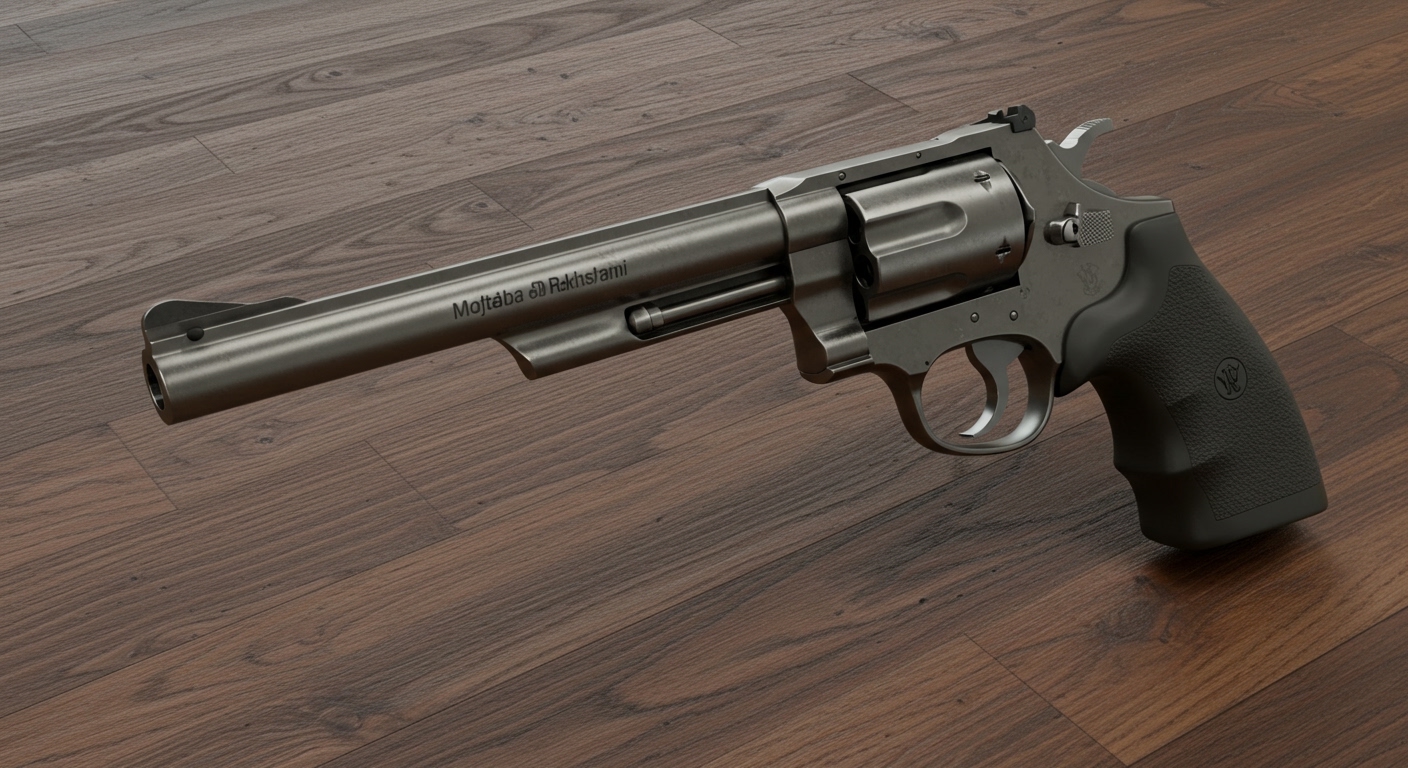
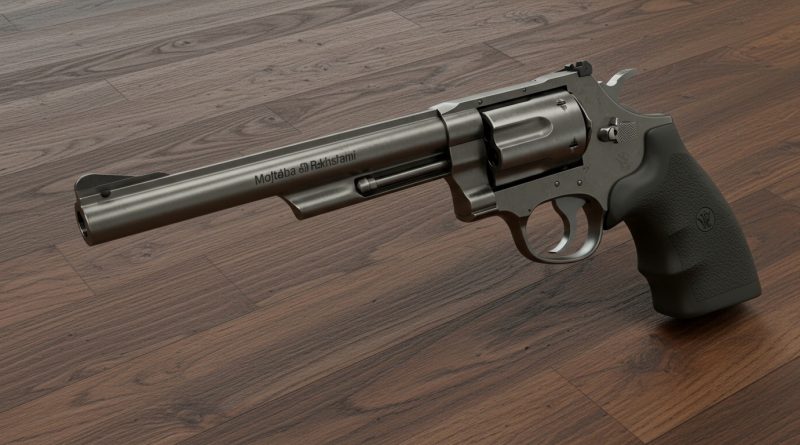
Mojtaba Rakhshani’s comprehensive tutorial on modeling a Dan Wesson 2.5″ Revolver exemplifies a focused pursuit of hyper-realism in digital fabrication, emphasizing intricate surface detail and material response.
A clear pattern emerges from these disparate news items: the convergence of granular control over digital materiality with advanced procedural generation, defining a new frontier for virtual spaces and object fidelity. It is no longer sufficient to merely create assets; the emphasis has shifted to engineering systems that define how those assets interact with light and environmental dynamics, whether for photorealism or stylized aesthetics. The value proposition is increasingly found in the underlying logic that drives visual output, rather than solely the final rendered image.

Consider the 3D artist who developed a stylized blood material in UE5 using a Custom Node, inspired by Resident Evil 9. Mainstream industry opinion often assumes that “stylized” work requires less technical depth than hyper-realism, or that procedural generation simply automates complex tasks, thereby simplifying the artistic process. This view is misinformed. The creation of such a material, especially one reacting dynamically to lighting, requires an exceptionally deep understanding of rendering pipelines, shader logic, and material properties. It is a nuanced form of procedural generation, not a shortcut. The artist must effectively program the material’s behavior, dictating how it reflects, absorbs, and scatters light based on underlying visual principles, even when departing from physical accuracy. By mid-2027, the most valuable 3D artists will be those who can architect these custom material systems and procedural workflows from the ground up, moving beyond simple PBR texture application to craft dynamic, responsive virtual environments and assets.
The primary opposing force to this trend is the vast, often generic, digital asset marketplace, as highlighted by the collapsed Getty Images and Shutterstock merger deal. This market prioritizes sheer volume and accessibility of pre-made models and textures. While these libraries offer speed and convenience, they frequently lack the specific, deeply integrated procedural logic and lighting responsiveness crucial for truly cutting-edge hyper-realism or artistically controlled stylized results. The ubiquity of easily attainable but fundamentally generic assets can inadvertently devalue the expertise required to craft bespoke, context-aware material and lighting systems.
A working 3D Modeling professional should dedicate specific time this week to explore and deconstruct a custom shader graph within their preferred real-time engine, focusing on how different nodes manipulate light interaction, rather than just surface color.
TL;DR
The future of 3D modeling lies in mastering procedural systems and lighting dynamics at a fundamental level.
Curated References
About this editorial — This piece was developed using AI-assisted research and curation across multiple industry sources. All analysis, opinions, and predictions represent the editorial perspective of JHDD. Sources are linked in the references section above.