
JHDD UI UX Report — 2026.06.30
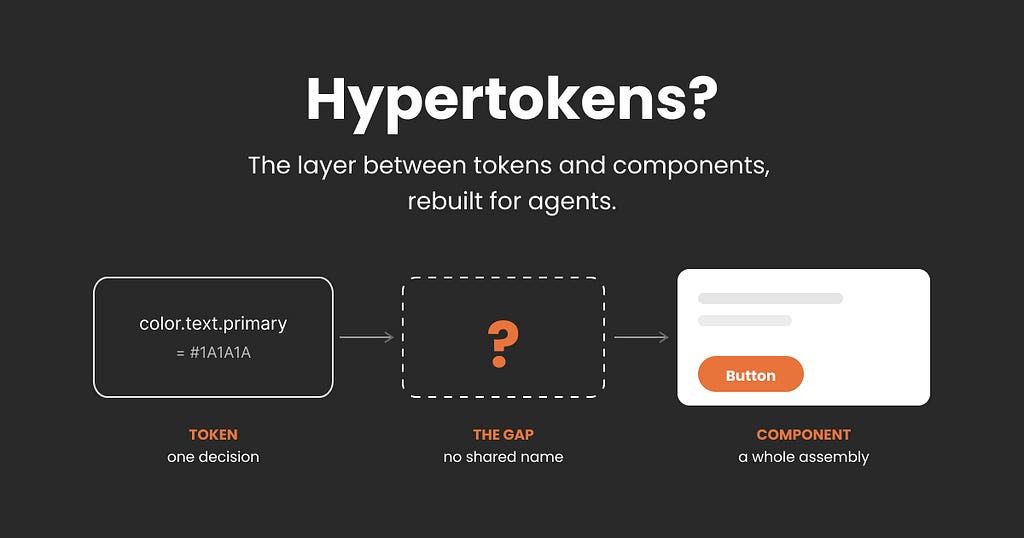
Jake Albaugh from Figma recently proposed the concept of hypertokens, identifying a critical layer between design tokens and components.
This concept, along with Figma’s push into agent-driven workflows, the concerns about AI chatbots exacerbating conditions like OCD, and the challenge to traditional mentorship, points to a fundamental shift. Design is moving from a process guided by human interpretation and collaboration to one increasingly orchestrated by autonomous agents and inflexible systems. The subtle interdependencies designers once managed by eye are now being exposed as critical points of failure for automated processes.
Figma’s strategy, detailed at Config 2026, exemplifies this shift by expanding its canvas into code, motion, and agent-driven workflows. While the industry largely hails such integration as the next logical step for efficiency and scalability, this perspective overlooks a critical concern: the potential for systemic loss of nuanced human judgment in the design process. The mainstream narrative suggests that offloading rote tasks to AI frees designers for higher-level thinking. However, this risks eroding the “low taste” problem identified in the research – a subtle degradation in aesthetic and interaction quality when design decisions are made by an agent that “builds exactly what it finds and guesses the rest,” as Jake Albaugh described. An agent cannot intuitively grasp the subtle interplays of ‘Ma’ in Japanese aesthetics, for example, which emphasizes meaningful empty space and timing, elements that are often ‘smoothed over’ by human designers but would be rigidly interpreted by an agent. This shift may inadvertently reduce the design canvas from a space for human-centric creative expression to a transactional interface for instructing algorithms.
This move towards agent-centric design systems, while promising precision, will inadvertently create new accessibility challenges by mid-2027. Agents, operating on explicit instructions, are less equipped to handle the implicit, contextual needs of diverse user groups, leading to experiences that are technically compliant but emotionally barren or functionally rigid for edge cases. The current drive for algorithmic efficiency often sidelines the deep empathy and iterative testing required to address true accessibility. Design systems built primarily for agent consumption, focused on strict definitional adherence (like hypertokens), will require a separate, equally robust layer for human-centric validation and user research, or they will produce less accessible outcomes for specific populations.
The primary opposing force to this agent-driven rigor comes from the inherent complexity and variability of human psychology, as highlighted by the impact of always-available AI chatbots on OCD patients. The human need for nuance, for implicit understanding, and for experiences that transcend strict computational logic, directly clashes with systems designed for algorithmic efficiency. When chatbots become an unintended feedback loop for compulsive behaviors, it demonstrates that even seemingly beneficial design choices (availability, agreeability) can have profoundly negative human outcomes if the underlying psychological landscape is ignored. This resistance isn’t about Luddism; it’s about the non-quantifiable, often contradictory, aspects of human experience that resist programmatic definition.
UI UX professionals must immediately prioritize integrating comprehensive, qualitative user research directly into the design system specification process, specifically for elements intended for agent consumption. Instead of just defining tokens and components, define the ‘intent’ and ‘contextual tolerance’ of each hypertoken. For example, for a “heading” hypertoken, specify not just its typographic properties but also its expected emotional impact, its minimum and maximum acceptable line lengths across different viewports, and its potential psychological triggers for vulnerable users. Test agent-generated interfaces with diverse user groups to uncover where the agent’s “exact build” diverges from genuine human usability and accessibility needs, then feed those findings back as explicit agent constraints.
TL;DR
The rise of agent-driven design systems demands explicit contextual definitions and rigorous human-centric research to prevent a decline in usability and accessibility.
Curated References




About this editorial — This piece was developed using AI-assisted research and curation across multiple industry sources. All analysis, opinions, and predictions represent the editorial perspective of JHDD. Sources are linked in the references section above.