JHDD UI UX Report — 2026.06.22
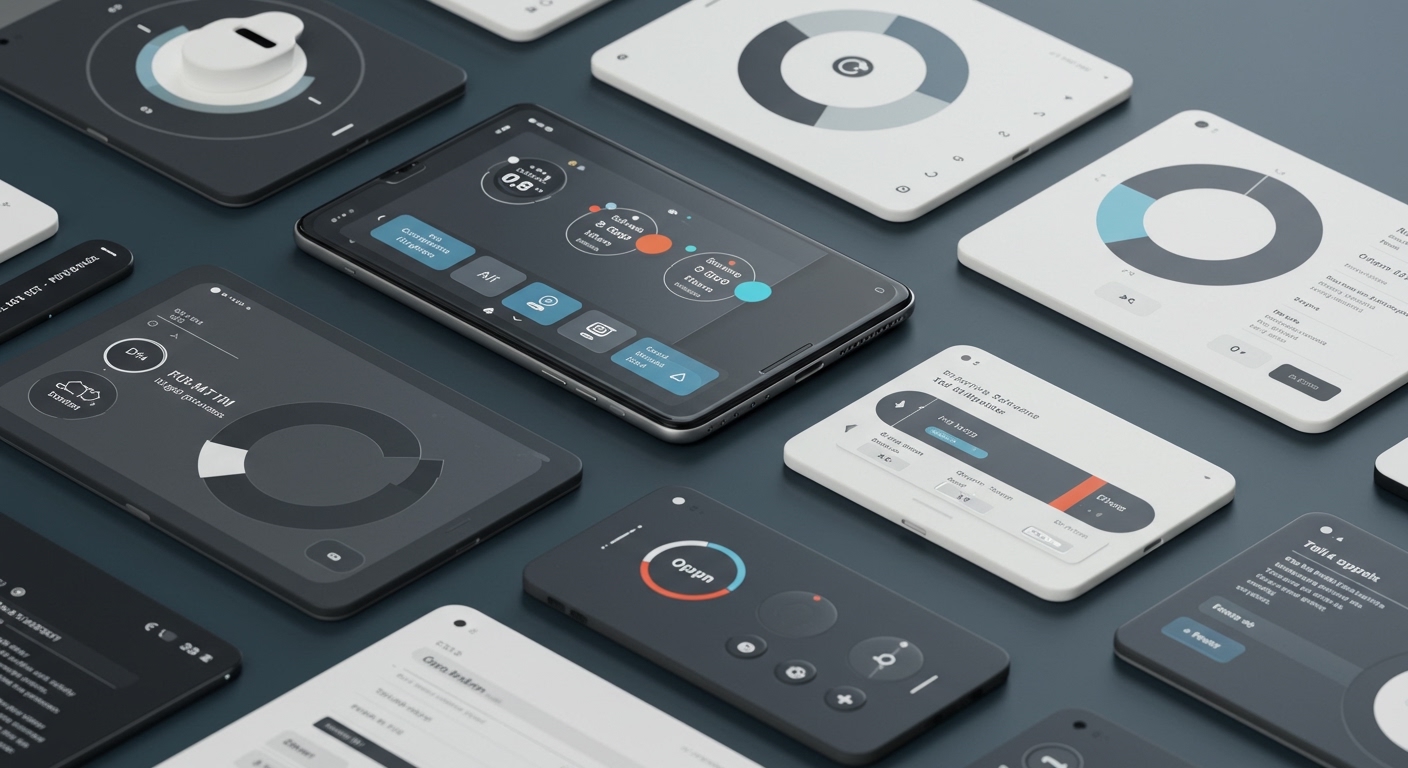
Enterprise software is getting personal, driven by three design trends reshaping its user experience.
These disparate reports reveal a consolidating trend: the increasing individualization of digital experiences across varied contexts. From enterprise software adopting personal trends to “Vibe Architects” building AI systems intuitively, and the erosion of trust in impersonal content, a foundational shift is occurring. User engagement now relies on perceived personal relevance and genuine human connection, pushing systems and content to adapt, yet demanding greater rigor from design professionals to manage this complexity.
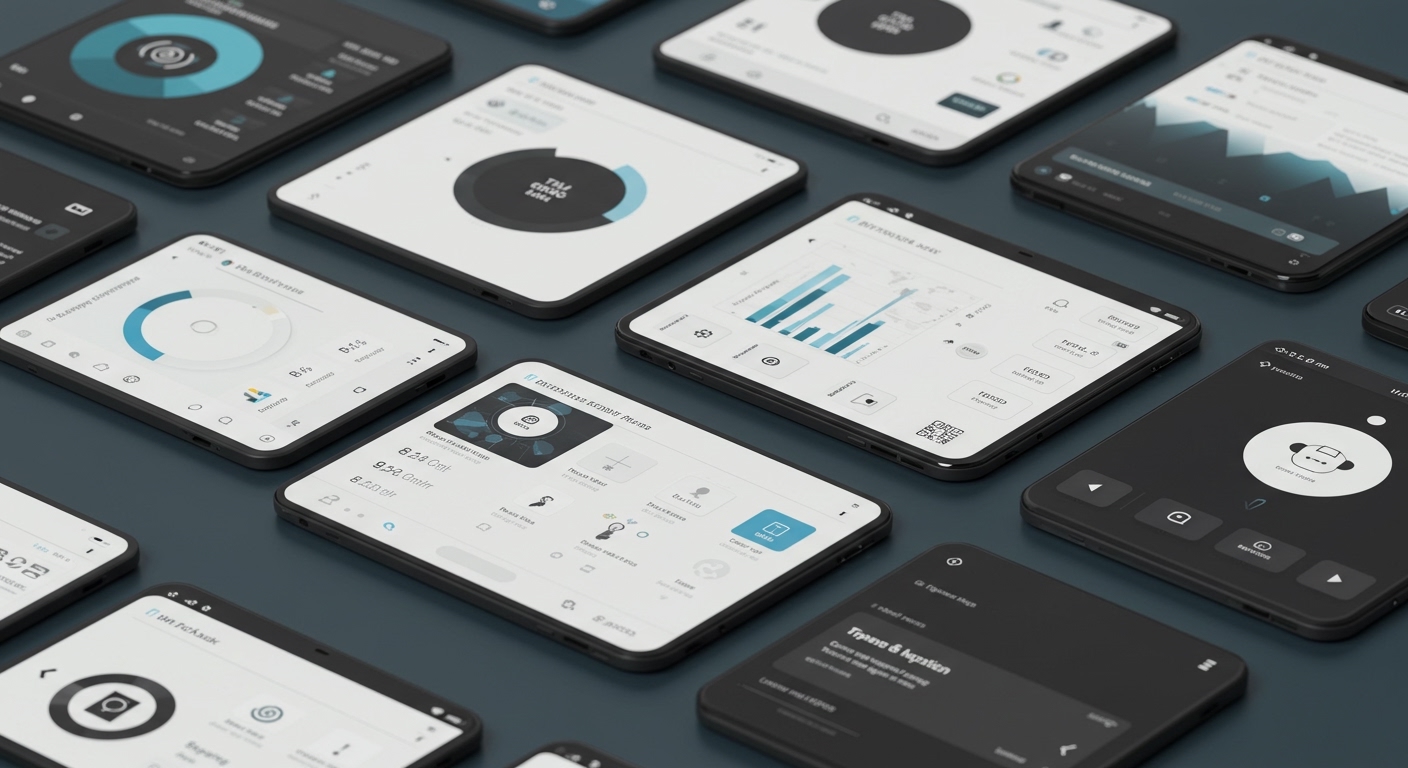
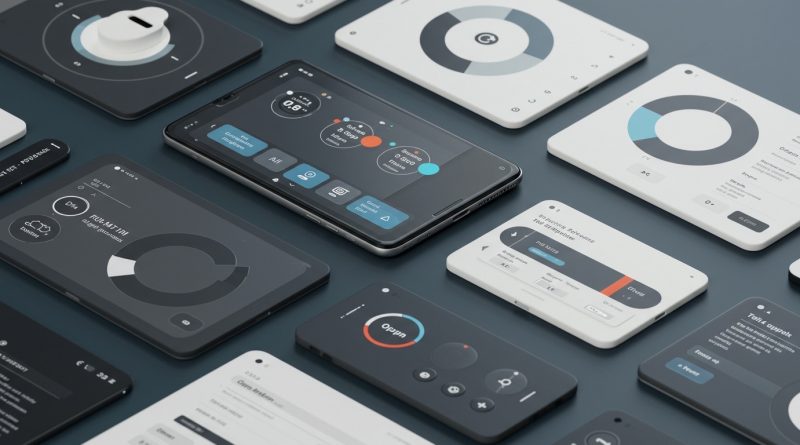
The personalization of enterprise software, as highlighted by its adaptation of consumer-grade design trends, presents a significant challenge to established interaction patterns. Historically, enterprise systems prioritized efficiency and standardization, often through rigid, uniform interfaces. The shift towards “personal” experiences demands adaptive interfaces that account for individual user needs, roles, and contexts, moving beyond static layouts. This requires interaction patterns to be dynamically generated or highly configurable, affecting everything from data input methods to complex workflow visualizations. Usability, traditionally measured by learnability and task completion in a general sense, must now encompass how well an interface adapts to specific, evolving user mental models, ensuring consistency across personalized variations rather than through enforced uniformity.
A common industry view suggests that AI will streamline design by automating personalization, thereby reducing the designer’s strategic load. This perspective is incomplete. While AI can certainly generate variations, the critical work of defining constraints, ensuring accessibility across those variations, and embedding business context remains a deeply human task. The intuitive building by “Vibe Architects” for “agentic AI systems” demonstrates rapid prototyping, but scaling these systems requires designers to establish systematic approaches for intuitive interaction without sacrificing robustness or clarity. Managing personalization within a design system means moving beyond a library of fixed components. Design leaders must anticipate this. By late 2027, mature design systems will systematically integrate parameters for contextual adaptation, allowing components to dynamically adjust their appearance and behavior based on user profiles, tasks, and environment variables, rather than simply offering static variants.
Resistance to this adaptive design approach originates from multiple sources. Traditional organizational structures, often driven by the “business leader” mindset detailed in the context, prioritize cost-cutting through perceived AI automation and “leaner teams.” This view often overlooks the nuanced, human-centric effort required to build and maintain sophisticated, personalized systems that remain usable and accessible. Furthermore, established design system practices, which historically valued strict control and uniformity for scalability, may struggle to embrace the flexibility and variability inherent in truly personal experiences without significant re-architecture and a shift in philosophical approach.
To prepare for this shift, a working UI UX professional should select one frequently used component or interaction pattern from their current project – for instance, a search filter interface or a navigation menu. They should then conduct a mini-audit to identify how this pattern currently handles or fails to handle personalization across diverse user segments, accessibility requirements, or device contexts. The objective is to document specific instances where a fixed pattern creates friction for a particular user group, leading to a proposal for a more adaptable version. This directly supports becoming a “builder” and “system thinker” by engaging with the practical limits of current design systems.
TL;DR
Personalization demands adaptive interaction patterns and robust design systems, requiring deeper human expertise, not less.
Curated References

About this editorial — This piece was developed using AI-assisted research and curation across multiple industry sources. All analysis, opinions, and predictions represent the editorial perspective of JHDD. Sources are linked in the references section above.