
JHDD UI UX Report — 2026.06.17
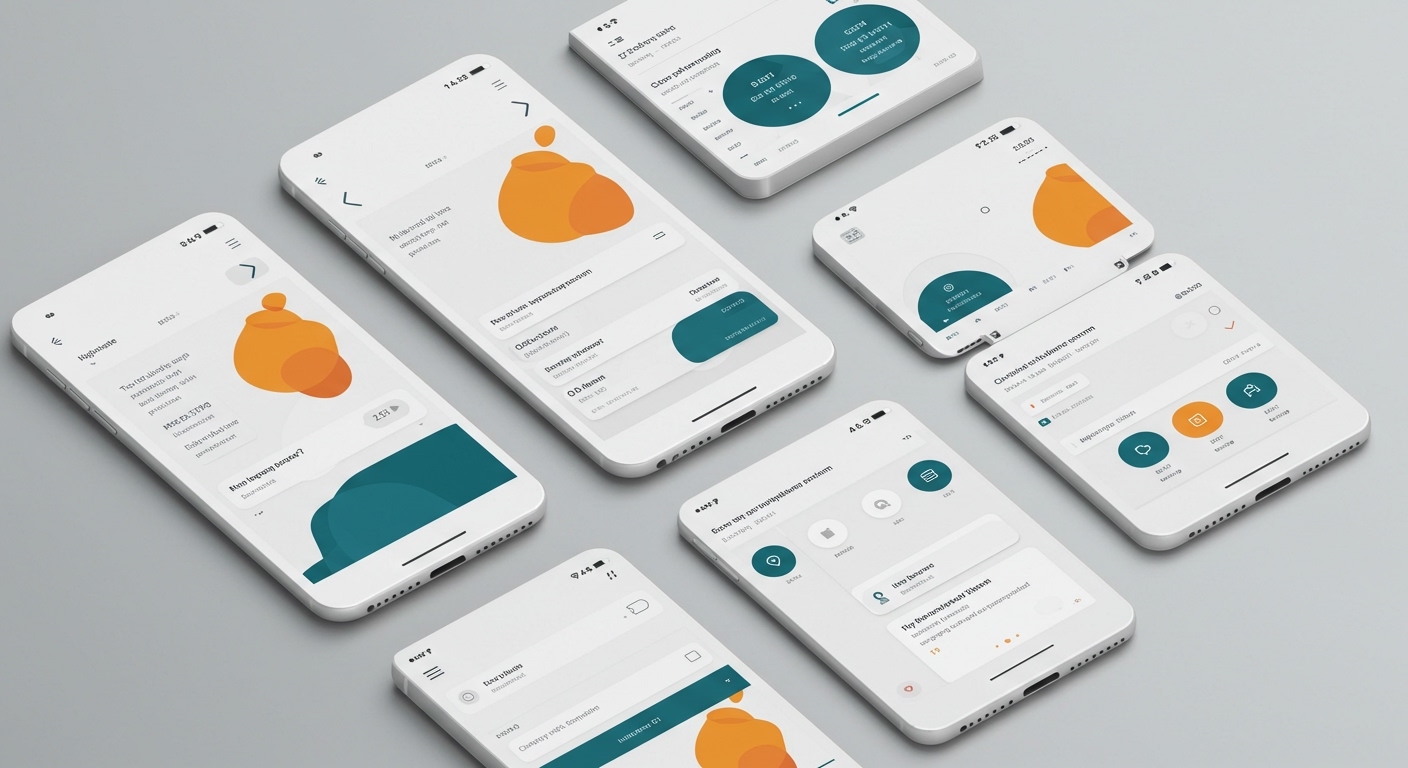
Highnote, a card issuing and embedded finance platform, exemplifies how critical user trust is built not in grand gestures but in meticulously designed micro-moments.
Many design teams still prioritize highly visible interfaces and primary user flows. Yet, several recent observations indicate that critical user trust and system functionality are determined by less apparent elements: the micro-interactions, the underlying system logic, and the adaptive interpretation of AI outputs. This suggests a systemic oversight where the “game” of a product, particularly an AI one, remains largely undrafted, even as its “pieces, cards, and screens” are carefully constructed.
The designer from Highnote, with extensive experience at PayPal, points out that financial product trust is often decided in “micro-moments” that teams frequently treat as engineering details. This contradicts a prevalent industry focus on grander design artifacts, such as comprehensive brand systems or polished onboarding flows, as primary drivers of user confidence. While these elements are important for initial engagement, they do not singularly secure the deep behavioral trust that manifests in retention and reduced support tickets. Mainstream design education and portfolio reviews often emphasize the aesthetic and functional perfection of core user journeys, implicitly downplaying the meticulous design of system responses to edge cases or the clarity of small-scale feedback. This overlooks the cumulative effect of hundreds of tiny interactions that either reinforce or erode user confidence.
The practice of Probabilistic Design, acknowledging uncertainty in AI-informed decisions, offers a counter-narrative to the assumption that design delivers certainty. Design systems, for example, typically aim for absolute consistency and predictable outcomes. However, when AI outputs inform design, the system itself must be designed to communicate potential ranges of outcomes, rather than singular, definitive answers. This requires a fundamental shift in how components are structured and how interaction patterns are defined, moving beyond static states to embrace dynamic, context-aware variability. By mid-2027, design systems for AI-powered products will explicitly incorporate probabilistic components, where states reflect confidence levels or offer alternative interpretations, moving beyond binary success/failure messaging.
The inertia of established design processes and the conventional “before/after” portfolio format resist this shift. This format, favored by many employers, often rewards a narrative of problem-solution framed by visible UI changes, inadvertently reinforcing a focus on surface-level improvements over deep systemic design that shapes hidden interactions or addresses probabilistic outcomes. The pressure to showcase impressive visual transformations can overshadow the equally critical work of designing robust error handling, nuanced feedback loops, or the strategic “gameplay” of complex AI systems.
A UI UX professional should, this week, select a seemingly trivial error state or an ambiguous system response within their current product. Instead of simply documenting it, they should deeply research how users interpret this specific “micro-moment” through qualitative interviews and observe behavioral patterns. Then, redesign this single interaction, focusing on clarity, feedback, and user trust, treating it as critically as a main onboarding step.
TL;DR
Design effort needs to shift from visible interfaces and main flows to hidden micro-interactions and probabilistic system logic to build true user trust.
Curated References




About this editorial — This piece was developed using AI-assisted research and curation across multiple industry sources. All analysis, opinions, and predictions represent the editorial perspective of JHDD. Sources are linked in the references section above.