JHDD Packaging Report — 2026.10.16
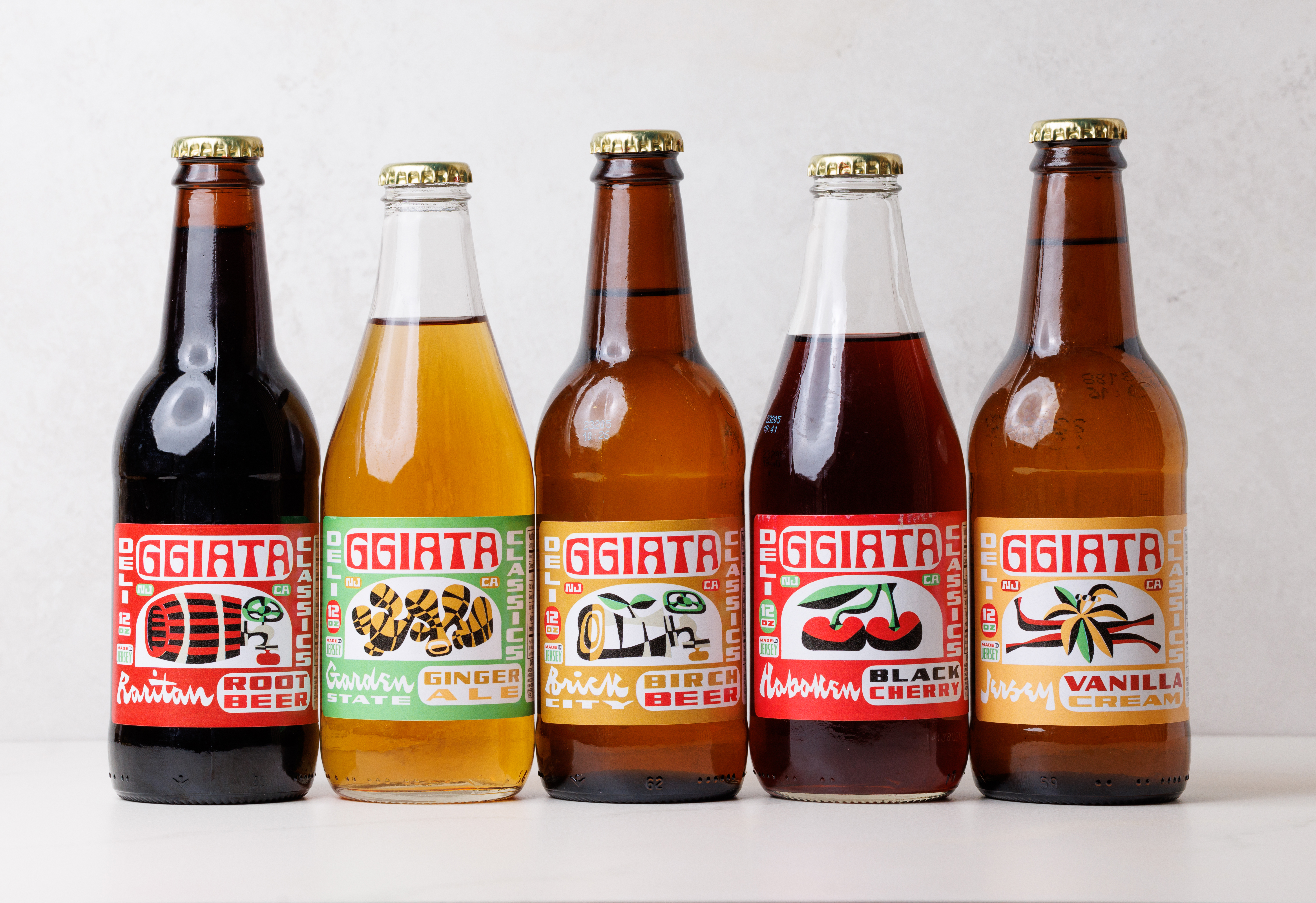
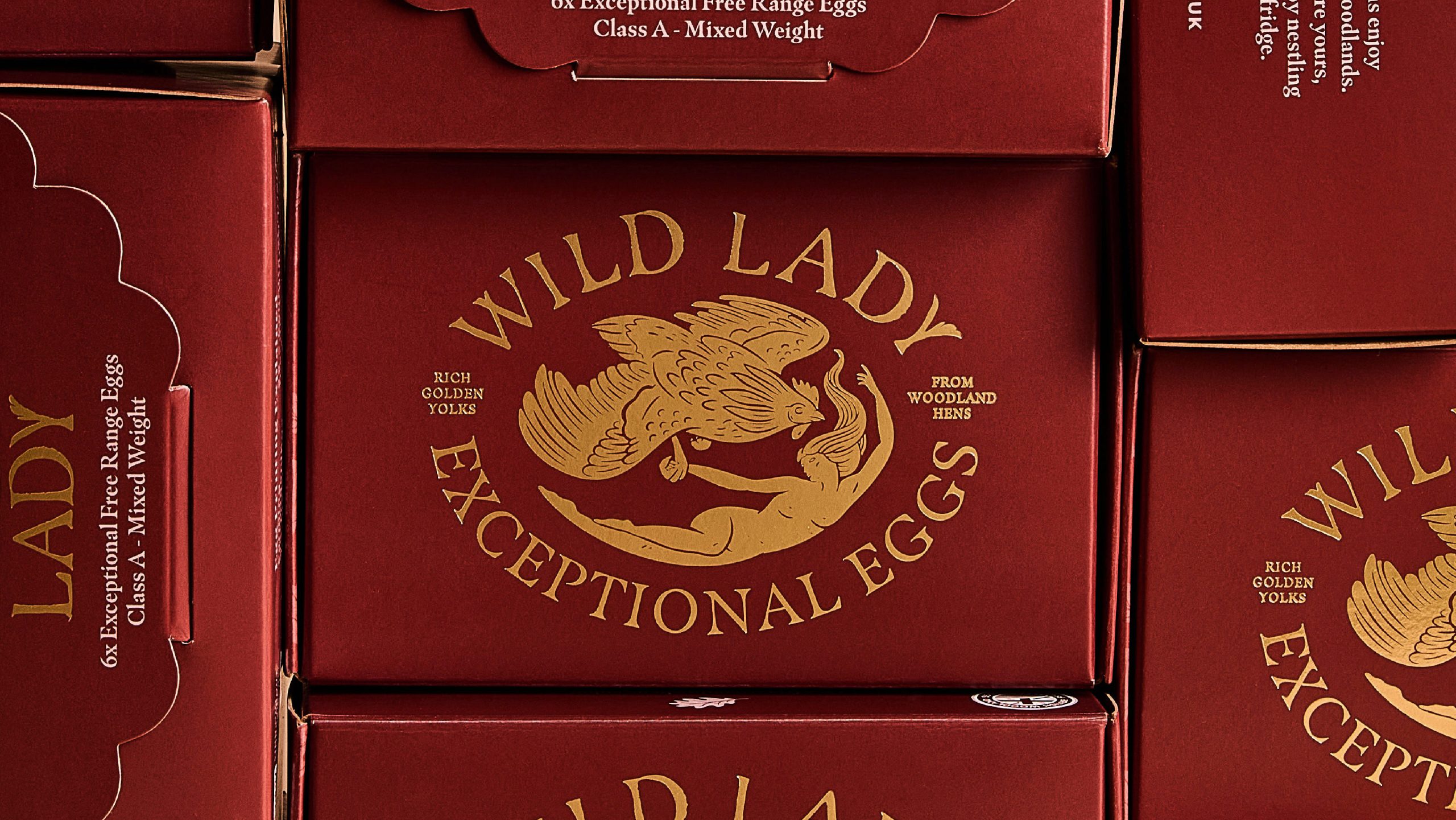
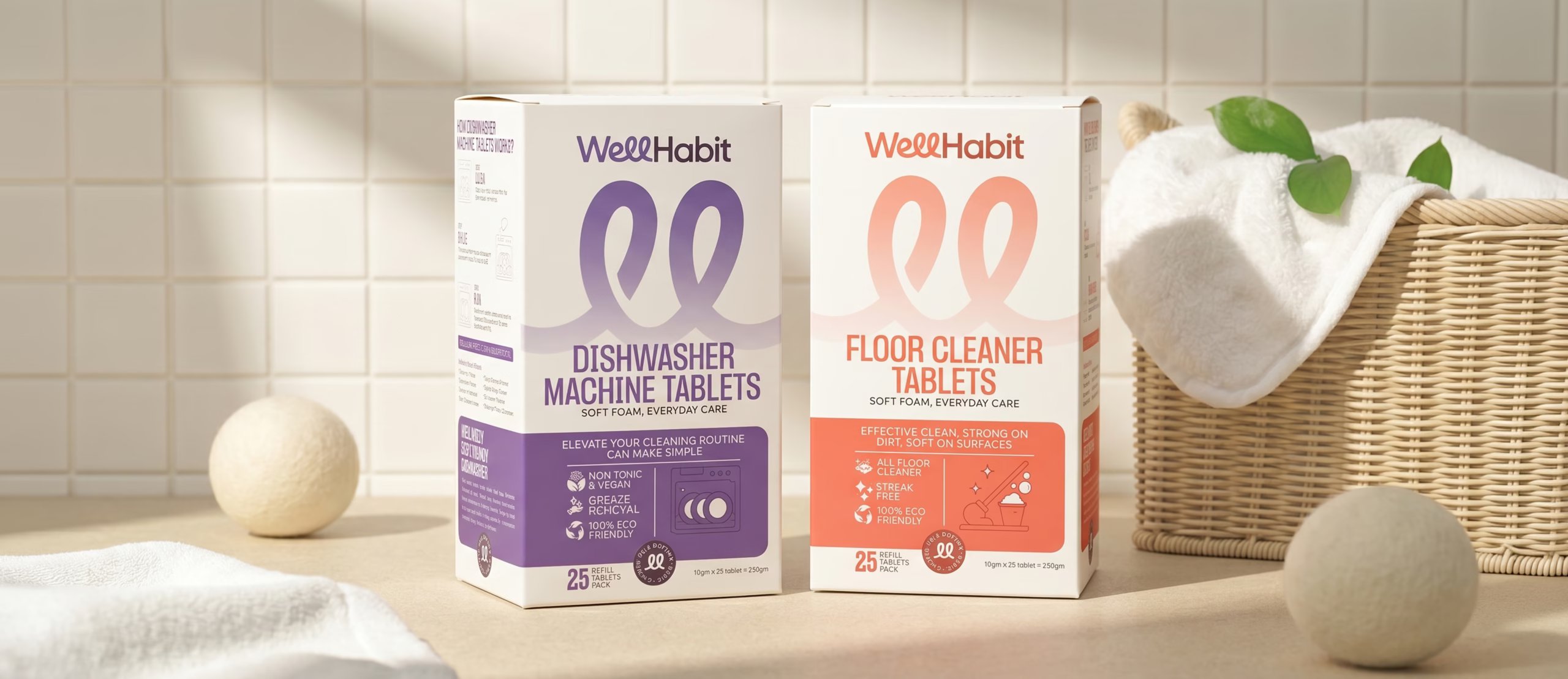
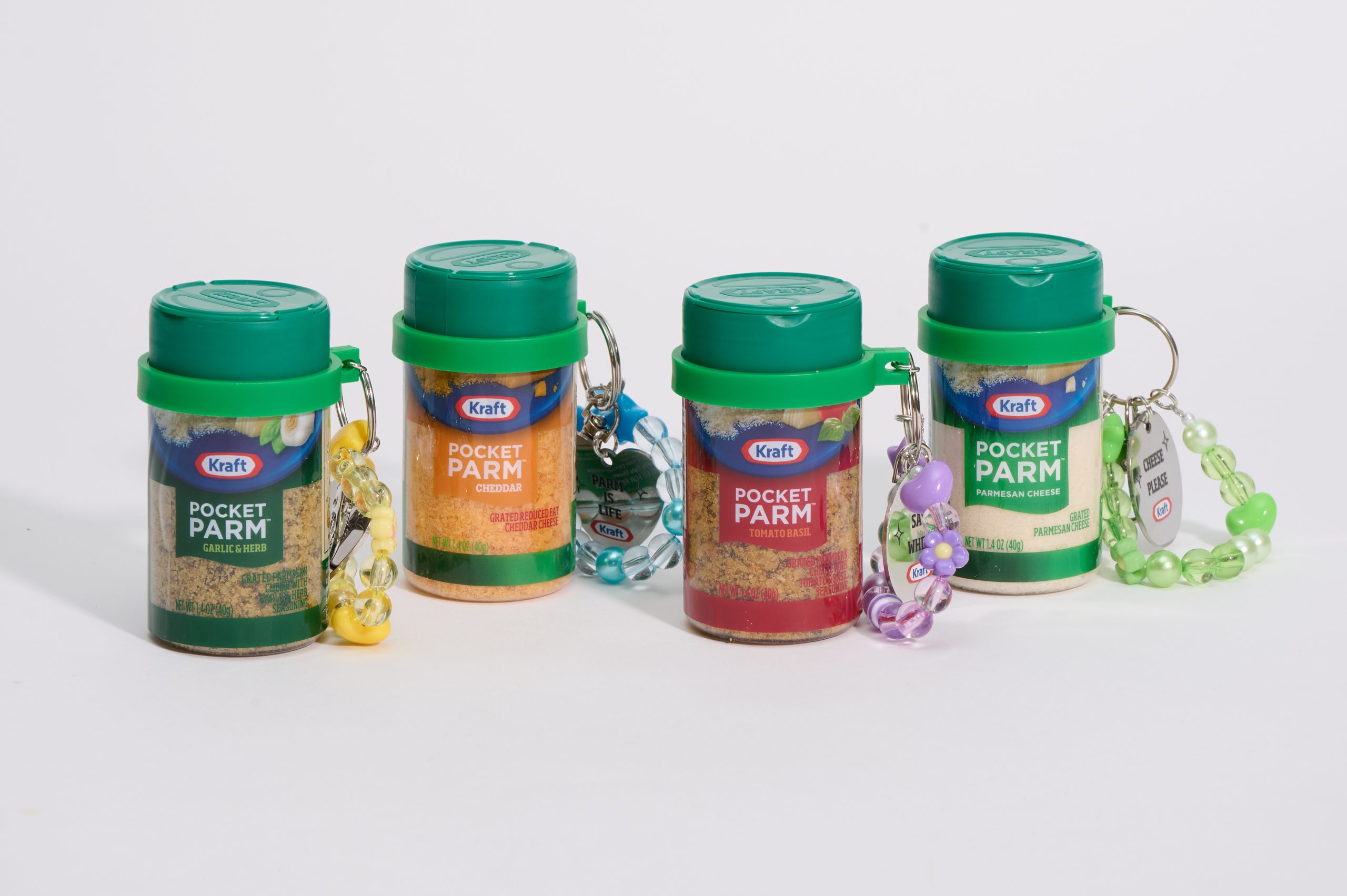
Wild Lady Eggs, transformed by Kingdom and Sparrow, features rich burgundy packaging with gold foil detailing and illustrations drawn from folklore. This specific approach to an everyday grocery staple highlights a growing pattern: packaging is now actively designed as an extension of the product’s narrative, moving beyond mere containment to become an integral part of the consumer’s engagement. The disparate examples, from Bill Rebholz’s distinctive illustrations bringing character to CPG to Wellhabit’s clear refill system simplifying sustainable cleaning, and from Fireball’s faux romantasy novel providing a playful disguise to Kraft Pocket Parm’s miniature collectible charms, all point to packaging evolving into a primary vehicle for storytelling and interactive brand augmentation. These examples demonstrate a strategic pivot towards packaging as a tactile artifact that delivers a unique unboxing experience and strong shelf impact, rather than just a protective shell.
The industry often presumes that sustainable packaging must be minimalist, utilitarian, and visibly “eco-friendly” through muted aesthetics or rough textures. This conventional wisdom misses a crucial point. For Wild Lady Eggs, the investment in tactile branding through the gold foil and detailed illustrations elevates a mundane item into a desirable object, challenging the notion that sustainability and luxury are mutually exclusive. This detailed design creates a compelling unboxing experience, turning the simple act of retrieving eggs into a moment of discovery and appreciation. When packaging offers such a distinctive tactile experience and becomes a beautiful item in its own right, with a clear shelf presence that communicates its enhanced value, consumers are less inclined to immediately discard it. The inherent value perceived in its design quality encourages longer interaction, making the act of disposal more considered, and even potentially promoting reuse or display rather than immediate landfill contribution.
This strategy counters the prevailing focus on simple material reduction as the sole metric for sustainable packaging. While material choices are critical, designing for perceived value and extended engagement through sophisticated tactile branding and a memorable unboxing experience contributes significantly to reducing waste by extending the emotional lifecycle of the packaging. It fosters a deeper, more personal connection with the brand that transcends the initial product consumption. Packaging becomes a tangible brand touchpoint that encourages sustained loyalty and active participation in the product’s narrative. Brands that understand this distinction will design packaging that encourages consumers to keep and interact with the package, not just its contents, thereby integrating circularity into the very design intent. By mid-2027, more CPG brands will explicitly design packaging with a secondary life as a decorative item, a collectible, or a functional storage solution, complete with embedded instructions for its re-purposing, moving beyond the simple “recycle me” message. This will reshape expectations for shelf impact, where the package itself tells a richer, more engaging story at the point of sale.
The primary resistance to this shift comes from entrenched supply chain complexities and the immediate cost pressures faced by brands and retailers. Manufacturing bespoke cartons with intricate detailing, or designing for dual functionality, often requires higher initial investment and more specialized production processes compared to standard, disposable forms. Achieving a premium tactile finish like the gold foil on Wild Lady Eggs requires specific material handling and print techniques, adding layers of complexity and cost that many procurement departments are conditioned to avoid. Furthermore, some brands remain fixated on digital shareability as the sole measure of experiential success, neglecting the tangible, physical interaction that encourages sustained, offline engagement with the object itself and its potential for reuse. This narrow focus on virality often prioritizes single-use, visually striking but ultimately disposable designs.
A working Packaging professional should immediately re-evaluate the full lifecycle of their packaging designs, moving beyond mere material recyclability or compostability to actively design for “keepability” or “re-purposability.” This means exploring durable and appealing sustainable materials, considering how the packaging could function after its primary use, and embedding cues or instructions that encourage consumers to hold onto it, display it, or repurpose it within their homes. Prioritize tactile elements and narrative depth in design, ensuring the unboxing experience and shelf impact communicate long-term value and reinforce brand identity through physical interaction.
TL;DR
Packaging must be designed as a valuable object for extended engagement, not just a temporary container.
Curated References

About this editorial — This piece was developed using AI-assisted research and curation across multiple industry sources. All analysis, opinions, and predictions represent the editorial perspective of JHDD. Sources are linked in the references section above.