JHDD Packaging Report — 2026.10.12
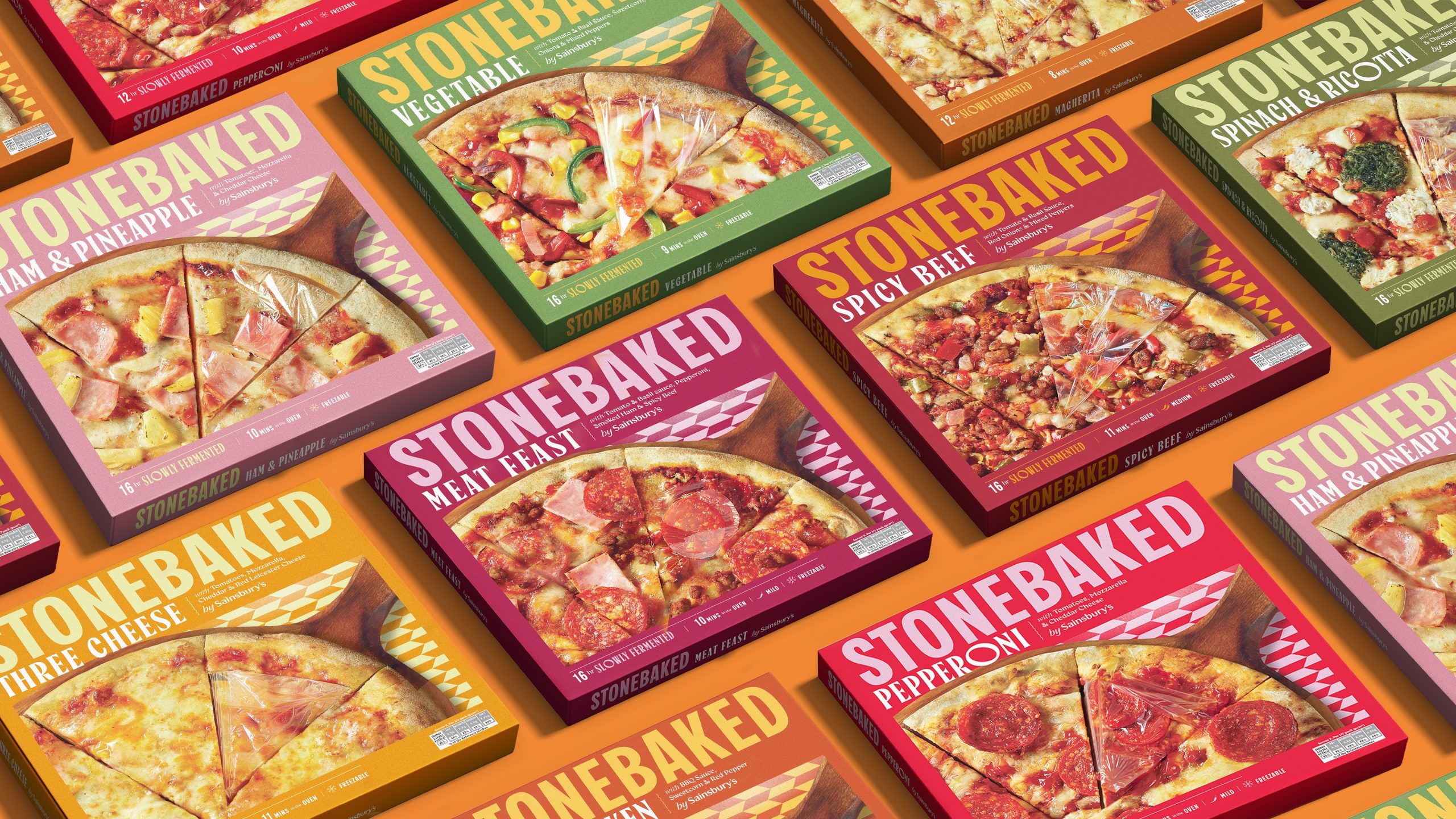
Contrast’s refresh for Sainsbury’s Italian food packaging employs vibrant colors and oversized typography, directly communicating a playful, contemporary character. This approach to direct, emotive storytelling on pack is a recurring pattern across recent design initiatives. Brands are increasingly leveraging bold visual narratives and distinctive graphic language to forge immediate connections with consumers, moving beyond generic category cues towards memorable brand personalities.
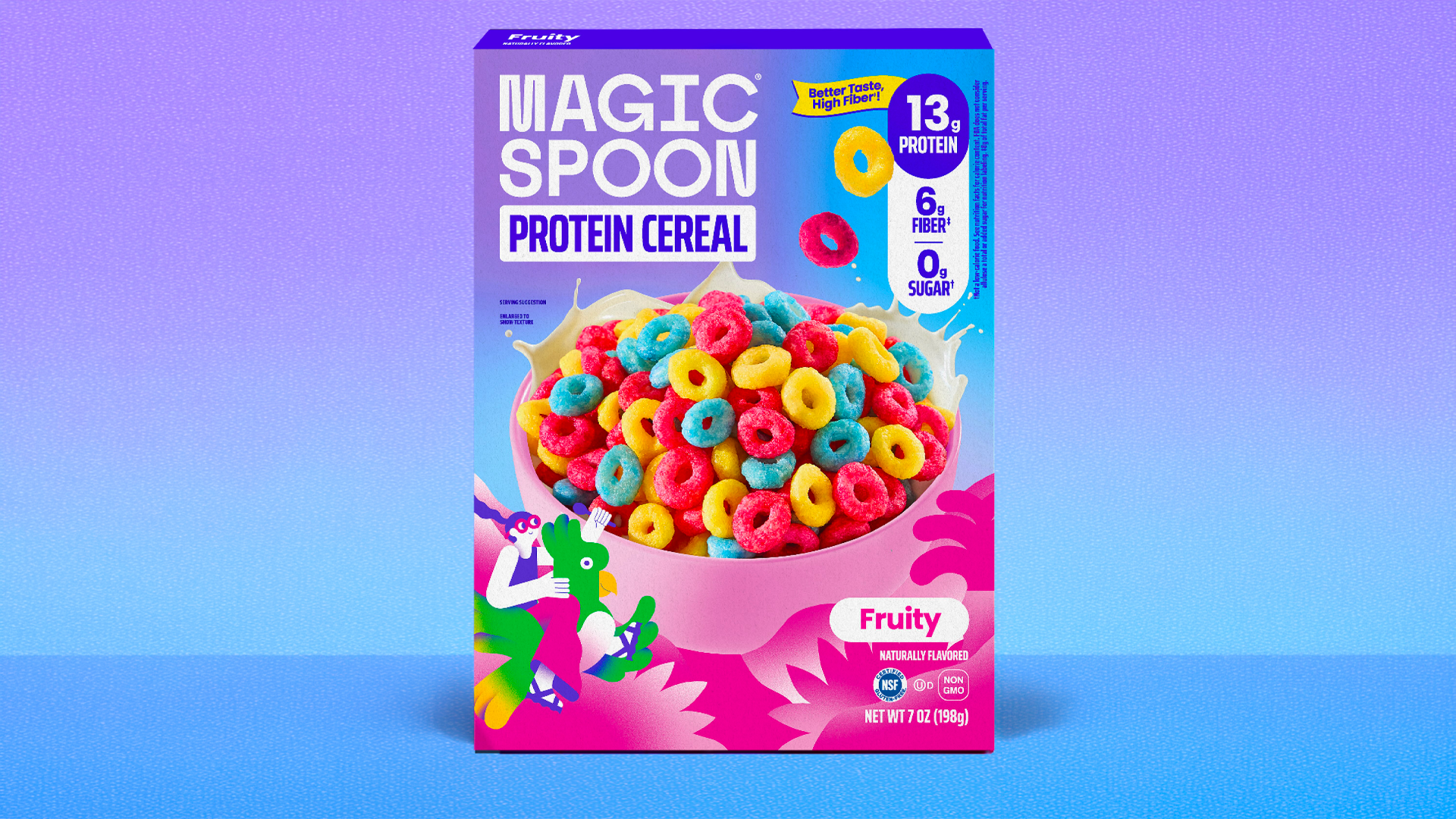
The redesign for Magic Spoon by Hart Brands, aimed at maintaining its “Saturday Morning Essence” while achieving shelf-friendliness, exemplifies this shift. Mainstream industry opinion often dictates that scaling for broad retail distribution necessitates a certain simplification or homogenization of design to appeal to the widest possible audience. This perspective, however, overlooks the power of a highly specific, emotionally resonant aesthetic to differentiate and build strong loyalty. The contradiction is that retaining and even amplifying unique brand essence through a confident visual and implied tactile identity is precisely what drives scalable success in a crowded market, rather than hindering it. A package that truly embodies its brand, extending its story through every visual element and anticipated touch, reduces the need for constant promotional intervention. This emotional investment fosters deeper consumer relationships, making the packaging an active part of the brand experience, not just a container. By mid-2028, leading CPG brands will increasingly invest in packaging that foregrounds highly specific, character-driven visual storytelling, leveraging printing techniques that suggest texture and form even before physical interaction.
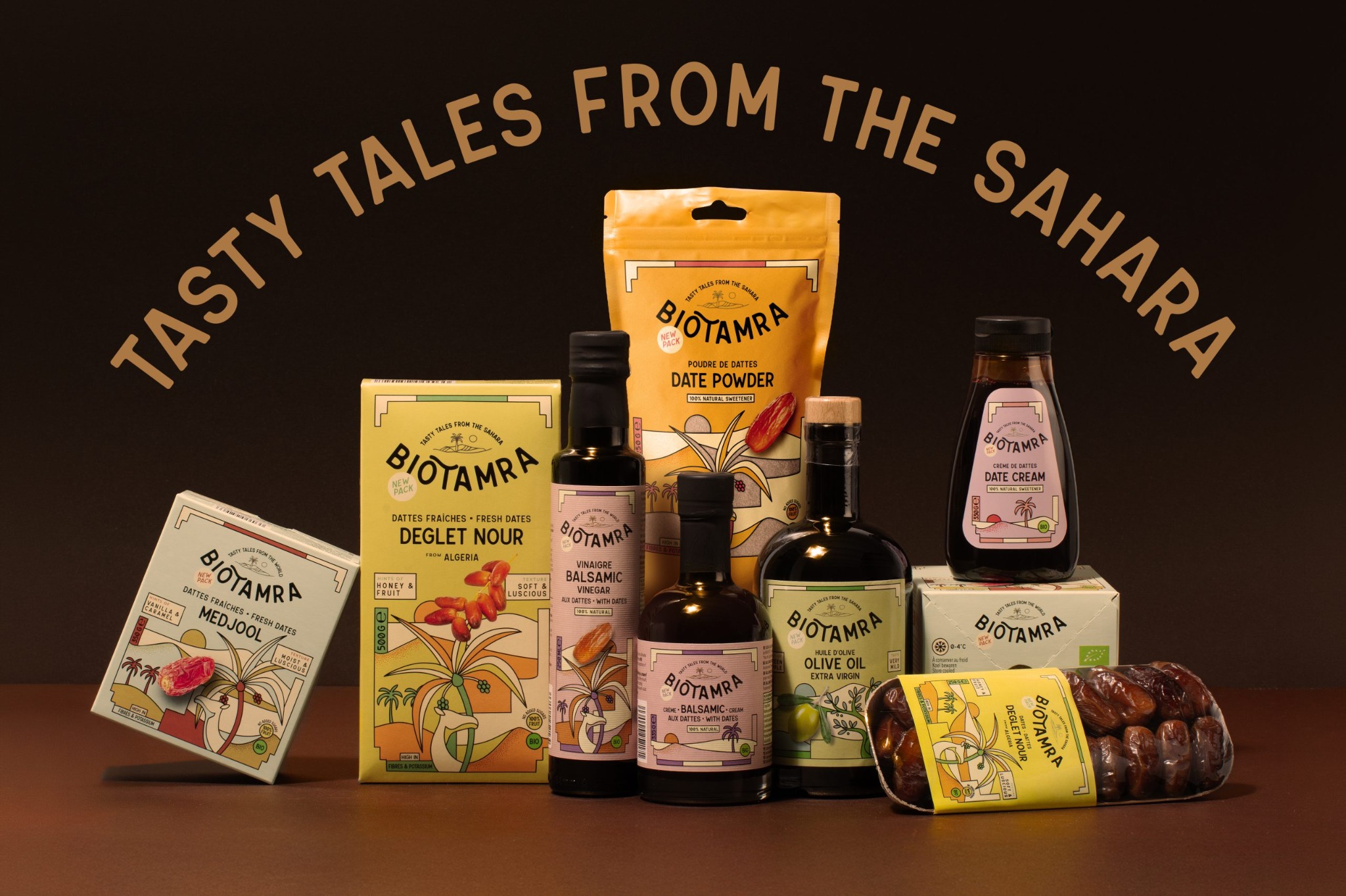
DesignRepublic’s work for Biotamra, bringing Saharan roots to life with illustrations of date palms and desert landscapes, further reinforces this direction. The packaging transforms functional items into storytellers, making the unboxing experience a journey into a specific cultural context. The tactile dimension, though not explicitly detailed in the source, becomes critical here; the implied texture of aged paper or subtly embossed patterns could significantly deepen the connection to “vintage travel posters” and Saharan tales. This challenges the notion that sustainability in packaging must always equate to stark minimalism or muted, natural tones. Sustainable materials can, and should, carry rich, vibrant designs and offer compelling tactile experiences, elevating their perceived value beyond mere eco-friendliness.
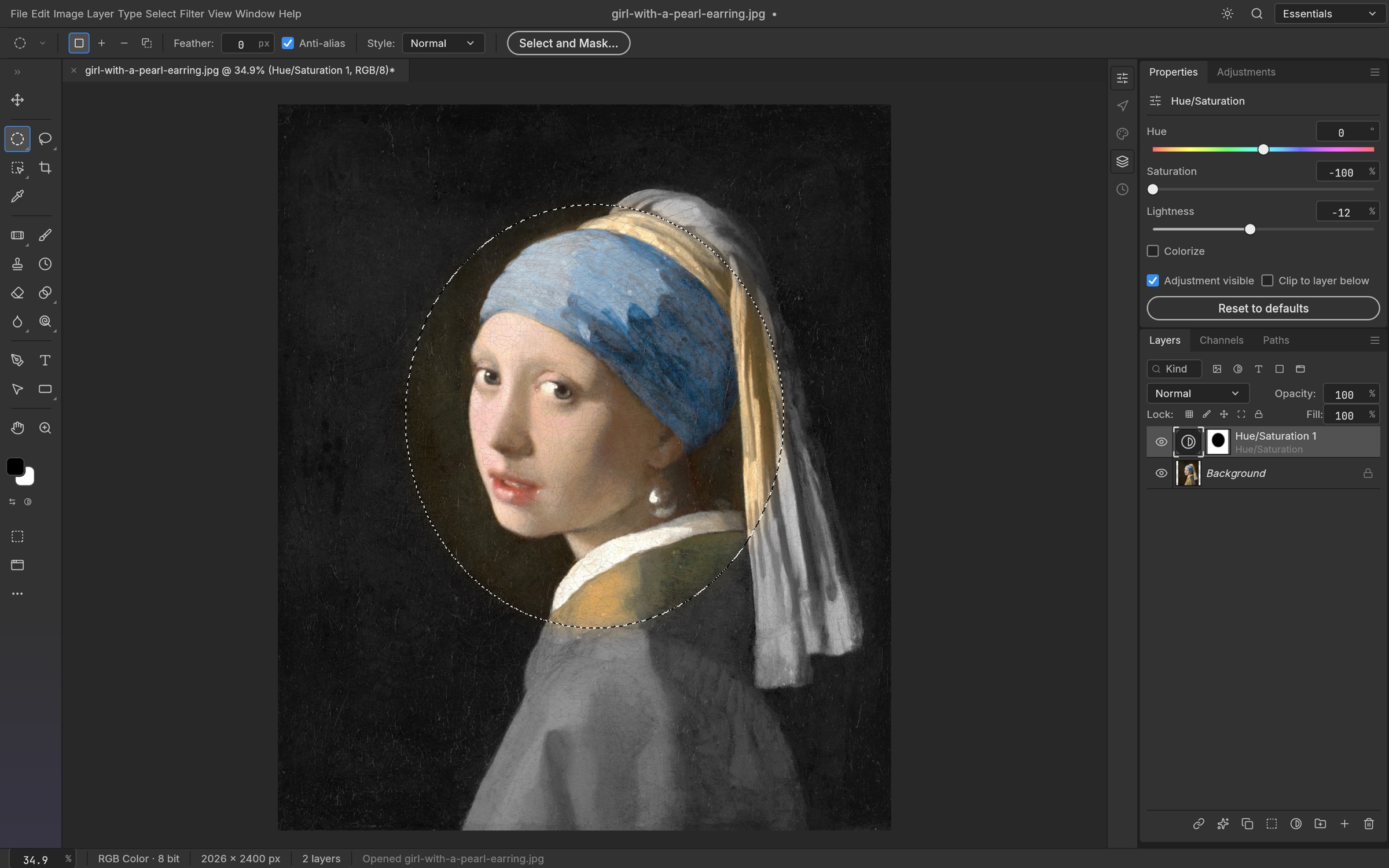
The primary opposing force to this trend of rich, experiential packaging design is often the entrenched operational inertia within large-scale manufacturing and distribution. Retailers and procurement departments frequently prioritize cost-efficiency through material standardization and streamlined production over bespoke aesthetic and tactile innovation. This operational bias can stifle creative exploration, pushing brands towards generic, low-cost solutions. However, tools like ArtCraft, an open-source, AI-powered alternative to established creative software, suggest a future where design iteration and complex visual development become more accessible and less cost-prohibitive, potentially empowering designers to challenge these ingrained limitations.
A working packaging professional should this week investigate how current production capabilities can support bespoke textural finishes and high-fidelity graphic treatments on existing sustainable substrates. Prioritize a supplier meeting to discuss specific examples of embossing, debossing, or specialty varnish applications that can be integrated without prohibitive cost increases, specifically aiming to align visual storytelling with a corresponding tactile experience.
TL;DR
Packaging must leverage direct visual and implied tactile storytelling to build stronger brand connection and value.
Curated References

About this editorial — This piece was developed using AI-assisted research and curation across multiple industry sources. All analysis, opinions, and predictions represent the editorial perspective of JHDD. Sources are linked in the references section above.