JHDD Packaging Report — 2026.09.21
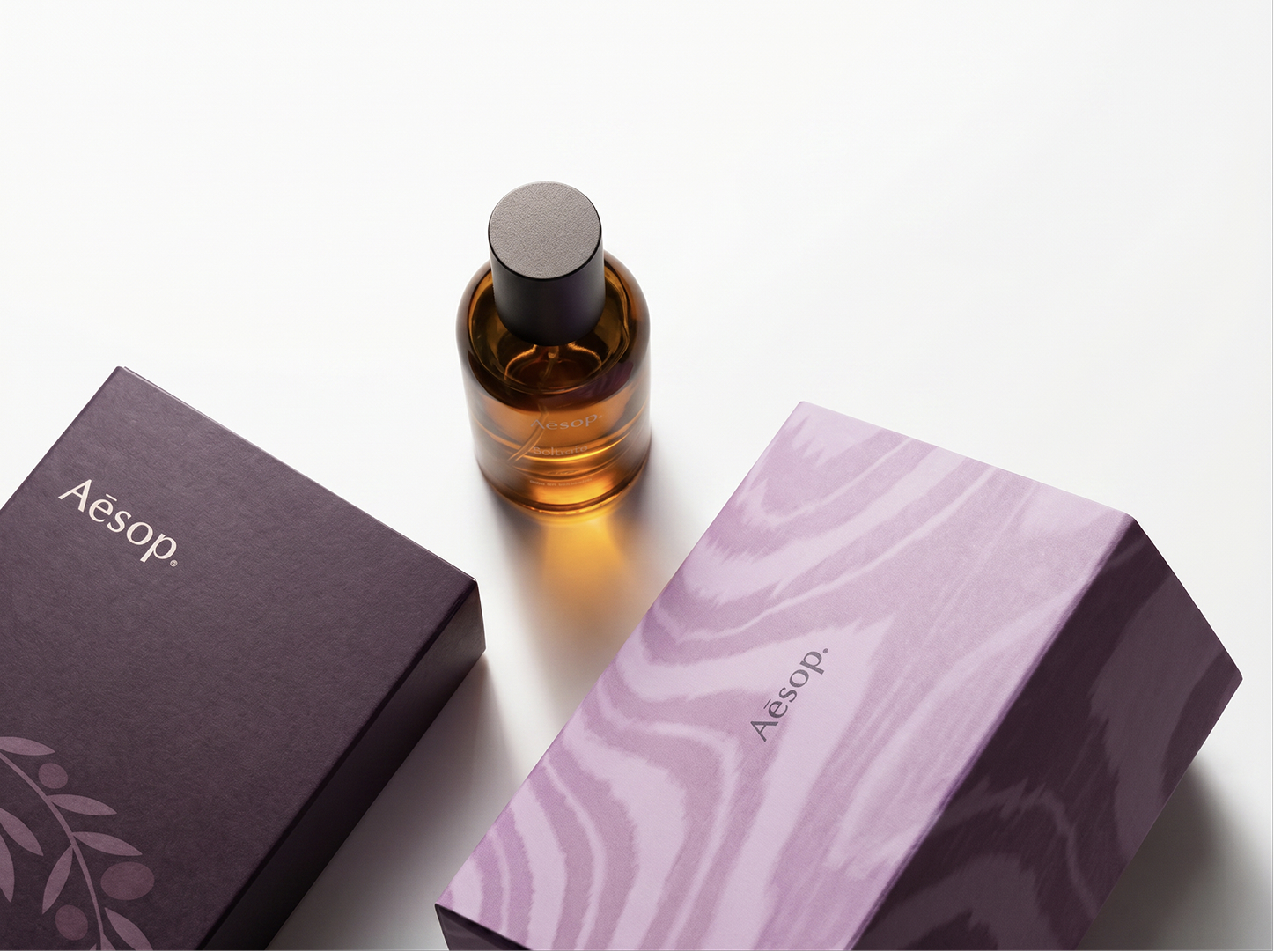
Freda Gu’s Aesop Concept ‘Eidesis’ uses layered construction and rippling water patterns to create an unfolding packaging ritual.
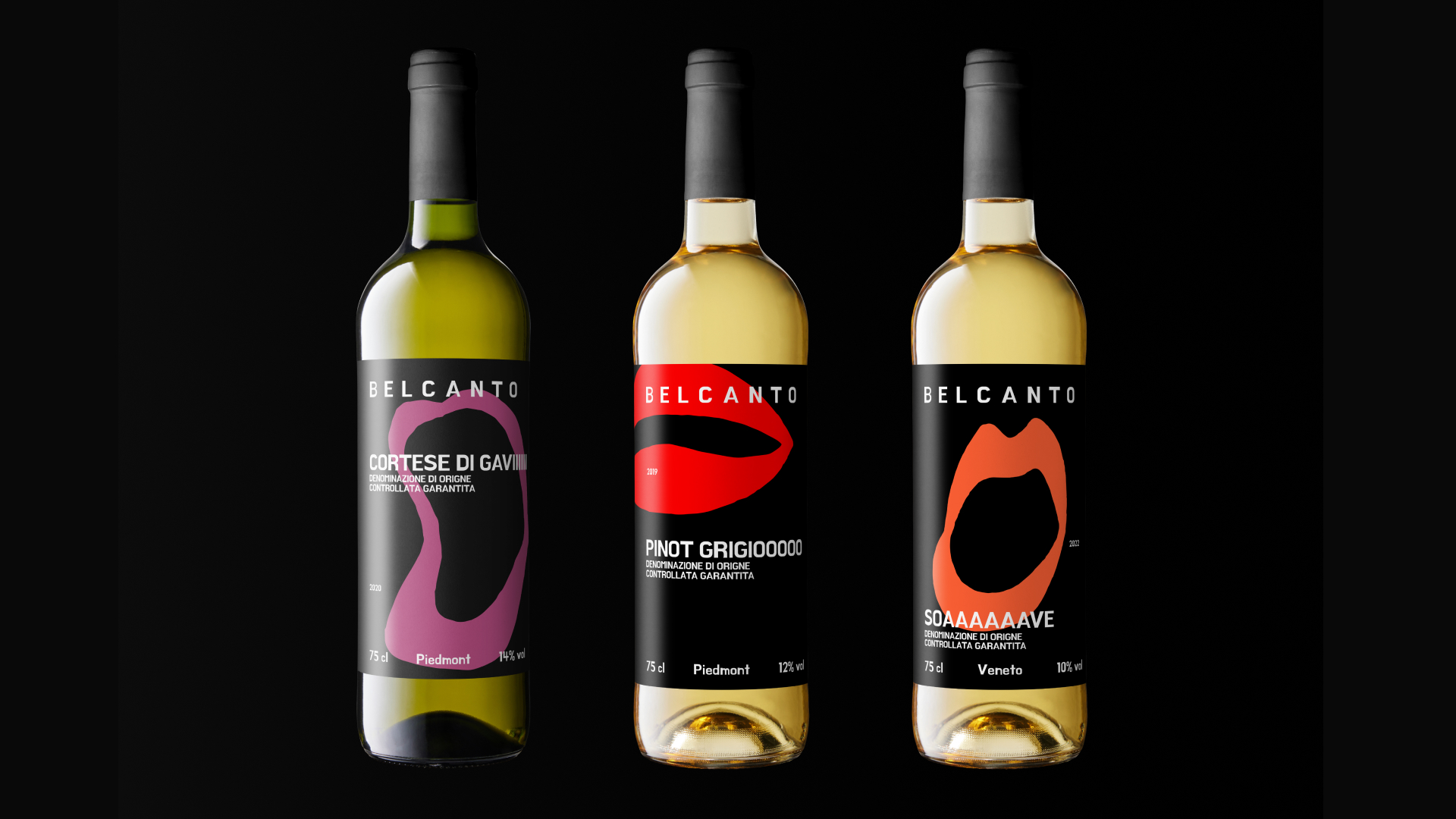
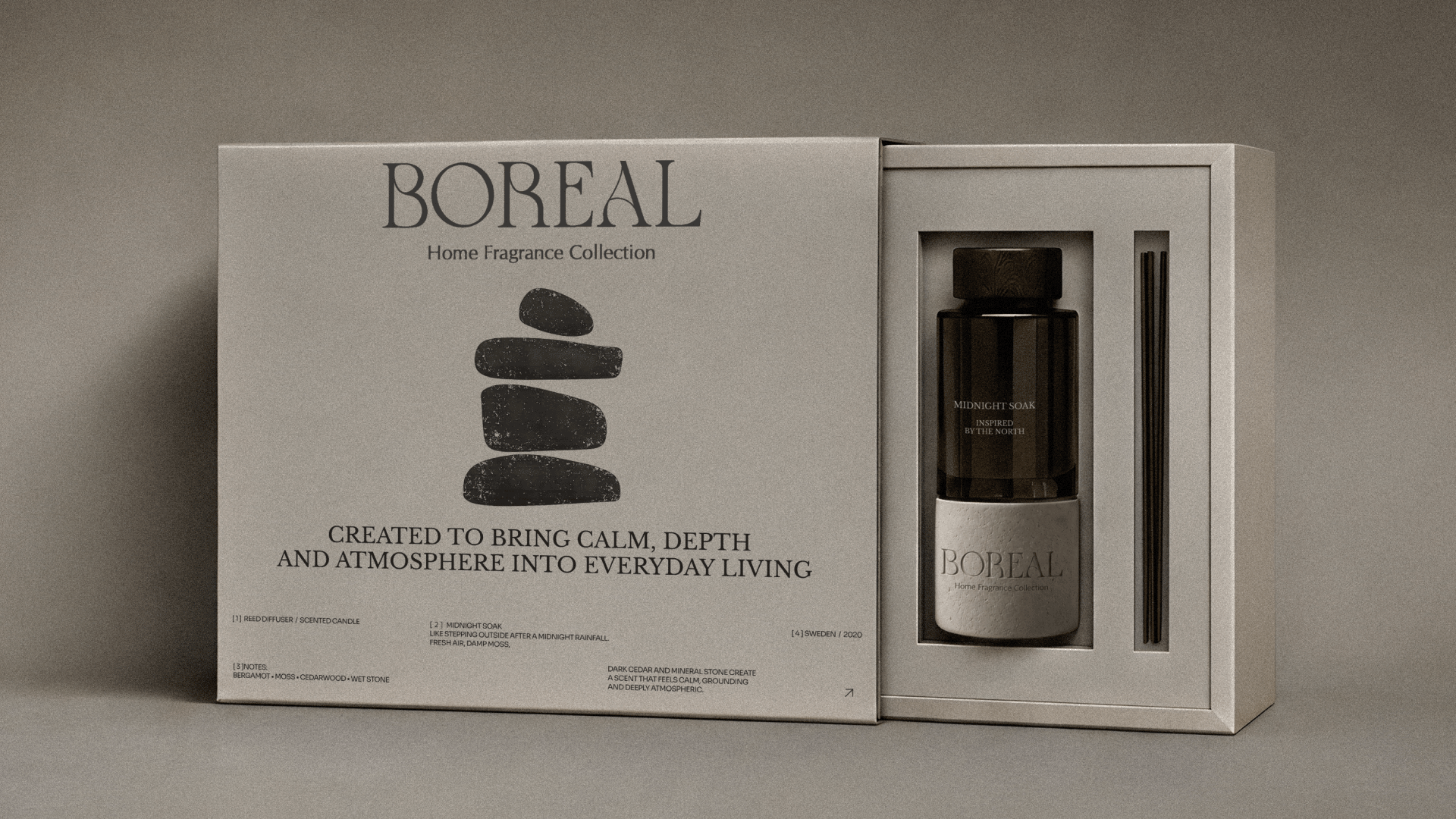
These recent projects demonstrate a shared industry movement toward packaging as a multi-sensory narrative device, where the tactile journey and experiential unfolding contribute as much to brand perception as the visible graphic design. Whether it is the theatrical expression of Belcanto wine labels or Boreal’s evocation of northern landscapes through subtle forms, brands are crafting moments of discovery that extend product engagement beyond the initial purchase. This emphasis on process and haptic interaction suggests a deeper shift from passive consumption to active participation in the brand story, integrating elements of surprise and delight directly into the material structure.
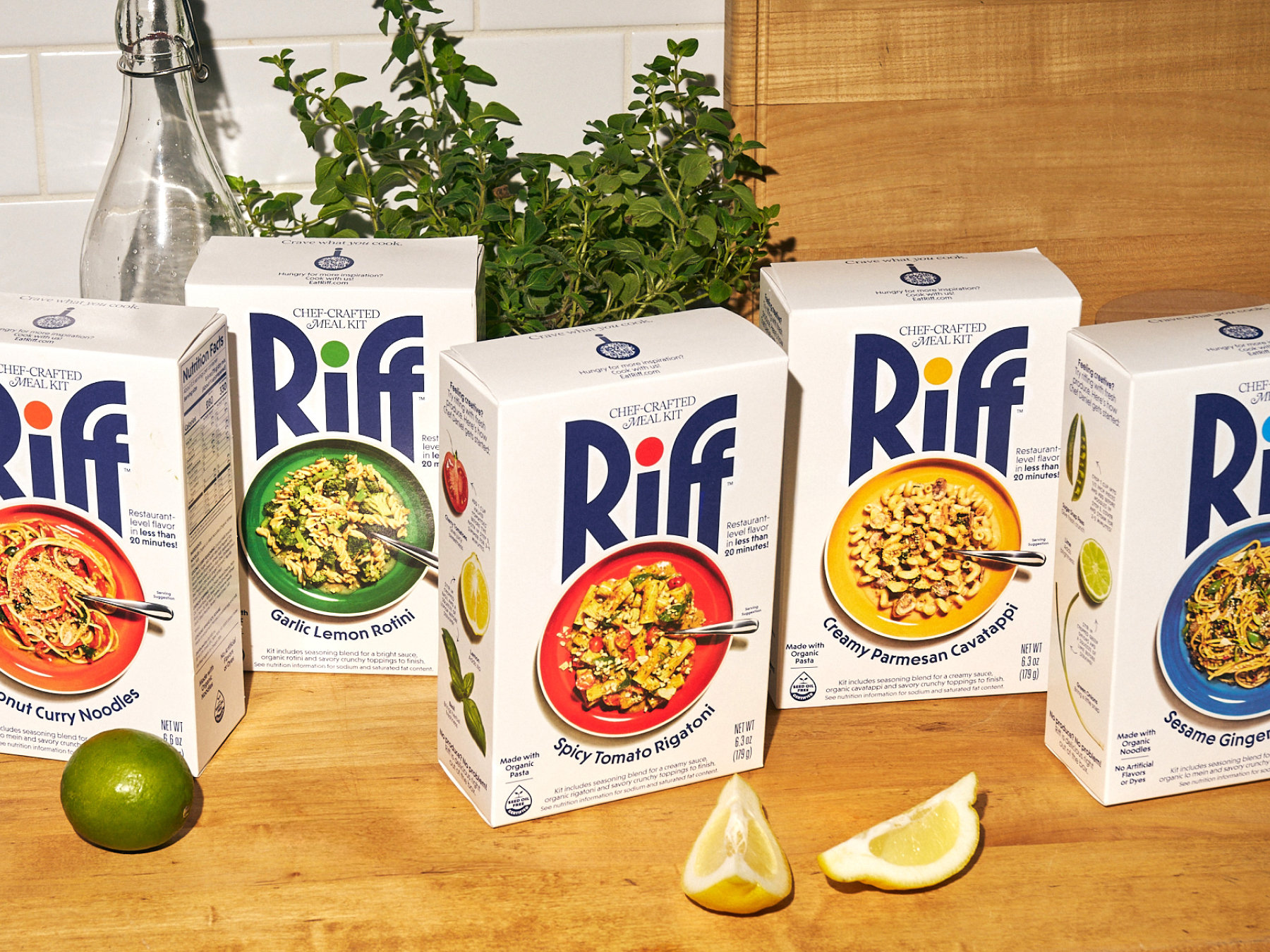
The Riff box meals project, co-created by Daniel Humm, offers fine-dining ingredients for a one-pot meal. Its implicit promise of a curated culinary experience in a simple format challenges the mainstream belief that premium packaging must always be complex or opulent. The prevailing industry opinion often dictates that luxury items require visibly elaborate structures or high-gloss finishes to convey value. However, Riff demonstrates that a well-conceived user journey – a simple, one-pot experience – can elevate perceived value, even when the physical packaging prioritizes practicality and ease of use. This contradicts the notion that intricate, multi-component packaging is the only route to a premium unboxing experience. The actual unboxing in Riff is the meal preparation itself, guided by thoughtful ingredient selection rather than layers of superfluous material.
A genuine focus on user interaction, where packaging facilitates an engaging process rather than just presenting a product, actually reduces the pressure for unsustainable material extravagance. By mid-2027, brands will increasingly invest in packaging systems that integrate directly into the product’s usage ritual, prioritizing reusability and inherent material utility over decorative embellishments. This will manifest as more modular designs and multi-functional components, encouraging consumers to interact with packaging beyond a single-use disposal mindset.
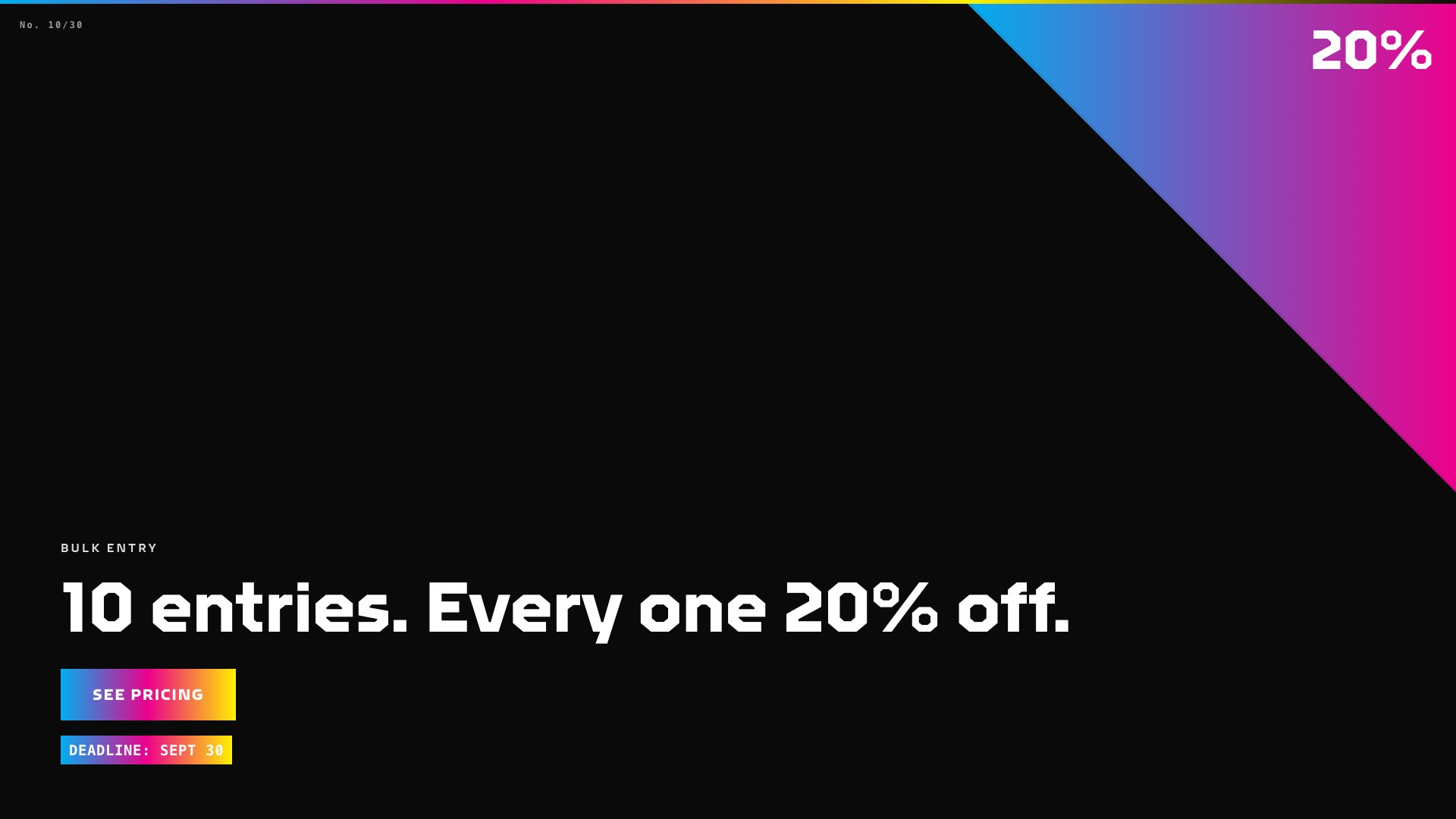
This push for experiential, integrated packaging faces resistance from procurement departments driven by cost-per-unit metrics and supply chain managers prioritizing speed and minimal complexity. These groups often view any added structural intricacy or unique material specification as an unnecessary expense or a logistical burden, pushing designers towards standardized, lowest-common-denominator solutions that strip away the very narrative potential being explored by leading brands. The bulk entry pricing at the DIELINE Awards 2027 itself suggests an industry where volume and efficiency in submission are incentivized, hinting at a broader ecosystem often prioritizing scale over bespoke innovation.
A working Packaging professional should immediately conduct a qualitative audit of their current product’s unboxing experience, not just for material waste, but for lost opportunities in sensory engagement. Map out every touchpoint and consider how texture, weight, sound, and sequence could enhance the brand story, even with existing sustainable materials, rather than focusing solely on reducing material volume.
TL;DR
Packaging must move beyond simple containment to become an integral, multi-sensory part of the product experience.
Curated References
About this editorial — This piece was developed using AI-assisted research and curation across multiple industry sources. All analysis, opinions, and predictions represent the editorial perspective of JHDD. Sources are linked in the references section above.