JHDD Packaging Report — 2026.09.08
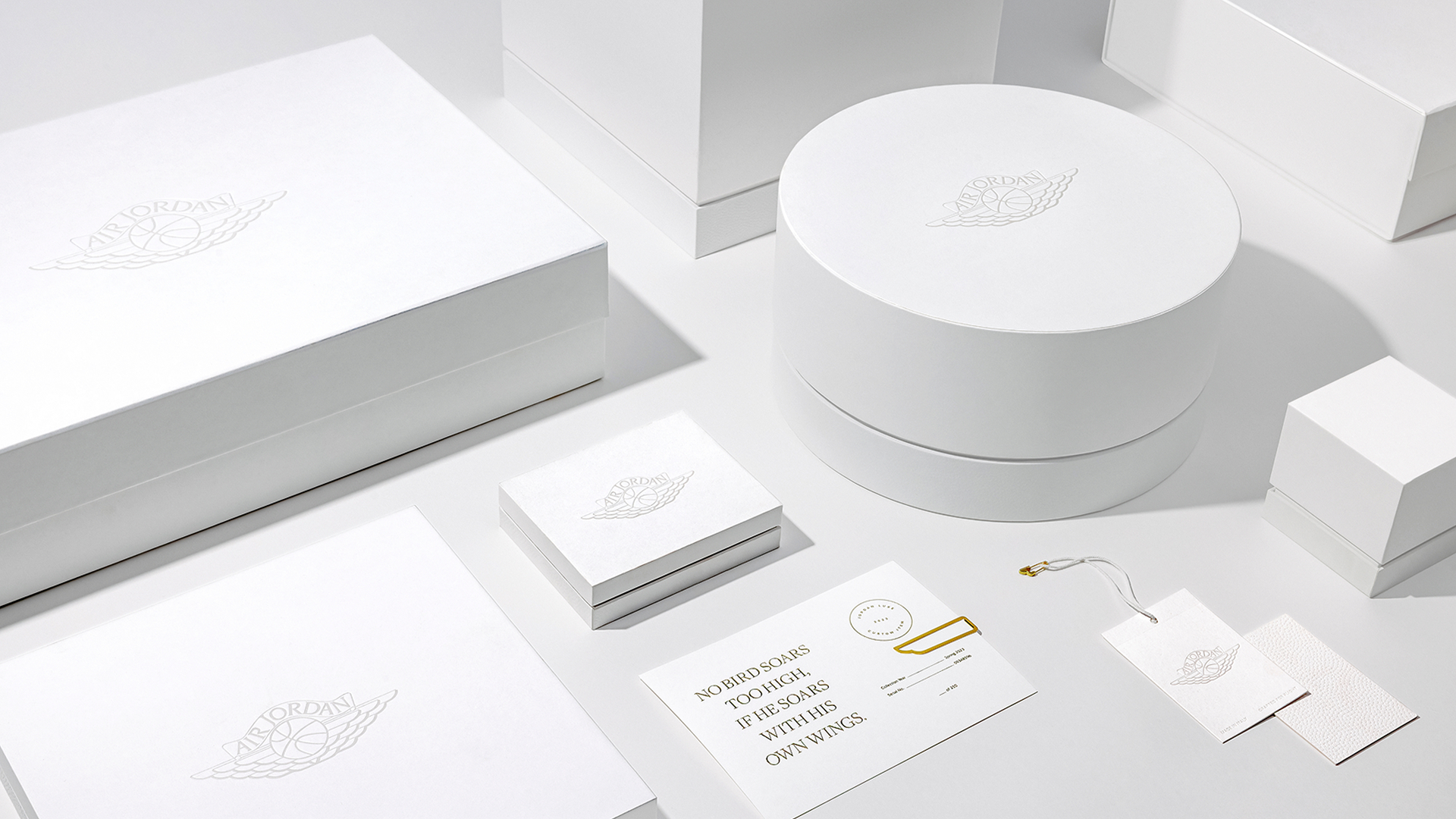
Tolleson’s reimagining of Air Jordan Lux packaging integrates tonal whites with tactile basketball textures, elevating it to a fashion collectible.
This immediate focus on material tactility and intentional sensory experience defines a growing expectation across diverse packaging, from premium goods to everyday staples. Brands are increasingly communicating intrinsic value and distinct identity not solely through overt graphics, but through the inherent feel and precise interaction packaging offers. This deliberate physical engagement with materials now signals authenticity and elevates perceived quality, shaping consumer connection even before product use.
The mainstream packaging industry frequently pursues immediate, high-contrast shelf impact, prioritizing graphic intensity to capture fleeting attention in crowded retail environments. However, brands like Four Walls whiskey, designed by Rest Stop, demonstrate a counter-intuitive power in strategic restraint. Their “unpretentious bottle” actively strips away ornate finishes and superfluous embellishments, instead trusting the inherent quality and tactile solidity of the chosen glass to convey timelessness and an approachable authenticity. This approach directly challenges the conventional wisdom that every design must loudly vie for attention; it proves that a confident simplicity, executed with thoughtful material selection and form, can build stronger, more enduring brand loyalty and a deeper perceived value. The packaging communicates quality through a foundational sense of touch, suggesting an intimate, lasting relationship with the product, rather than a transient visual encounter. This prioritizes brand resonance over mere visibility.
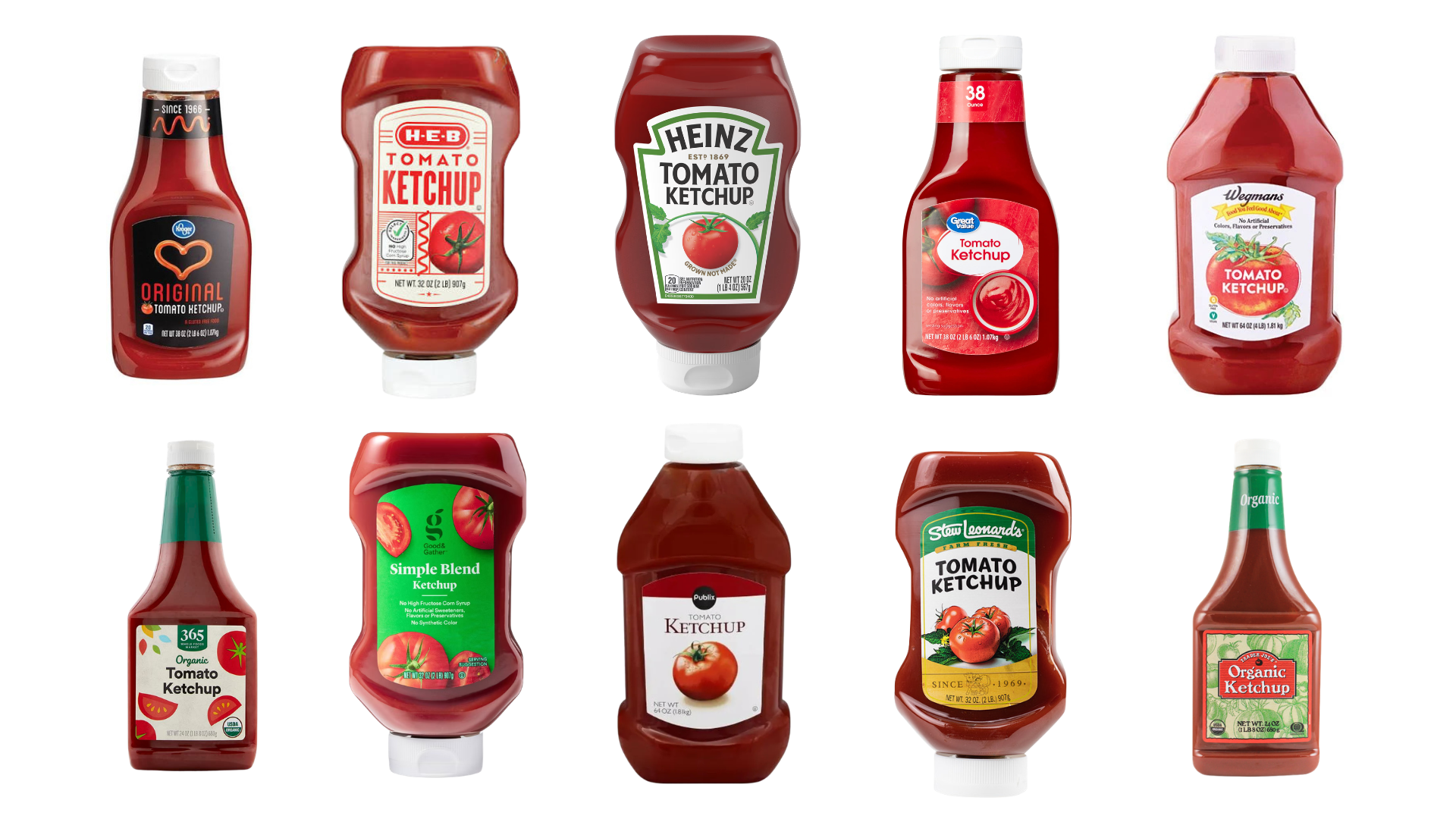
This broader shift towards sensory and tactile engagement will fundamentally alter how brands, particularly private labels, secure consumer loyalty. The “cult threshold” identified by Pearlfisher, where private labels cease apologizing for themselves and build cachet, is increasingly achieved through elevated physical experiences. Consider how Kirkland Signature, for instance, earns status not through luxury pricing but through a consistent perception of quality in all its details, including its robust packaging. Packaging professionals will see that by mid-2027, brands striving for this kind of loyalty will routinely invest in bespoke material finishes and haptic details for even commodity products, moving beyond mere protective functionality. The goal will be to forge a distinct, memorable physical interaction, fostering a loyalty that visual branding alone cannot achieve. This means sustainability in materials will also need to be tactilely pleasing and robust, not just visibly ‘green’.
The primary resistance to this tactile evolution originates from deeply entrenched, cost-driven manufacturing processes and a pervasive industry focus on speed-to-market. Supply chains, optimized for rapid, high-volume production and the standardized application of widely available, often visually-focused materials, frequently deprioritize the nuanced material specifications and precise finishing techniques essential for superior tactile experiences. This operational inertia, combined with a reluctance to embrace the slightly higher initial investment in novel sustainable materials that also offer haptic advantages, actively impedes innovation in sensory-rich packaging design, favoring expediency over a more profound, memorable consumer connection.
Packaging professionals should, this week, secure samples and physically interact with at least three novel sustainable materials that possess distinct inherent textures or structural qualities, extending beyond typical recycled paperboard or conventional plastics. Evaluate their potential for conveying brand values through tactile branding alone, without relying on additional printing, coatings, or decorative elements.
TL;DR
Packaging value increasingly resides in physical interaction and authentic material expression, not just visual graphics.
Curated References

About this editorial — This piece was developed using AI-assisted research and curation across multiple industry sources. All analysis, opinions, and predictions represent the editorial perspective of JHDD. Sources are linked in the references section above.