JHDD Architecture Report — 2026.10.07
Foster + Partners’ Agravitas extension to the Bilbao Fine Arts Museum demonstrates a structural philosophy of deliberate non-engagement with existing fabric.
This distinct non-engagement, or conversely, a deep contextual embeddedness, appears across recent projects and products. Whether augmenting a dilapidated structure, expanding a museum, or designing a home that acknowledges its familial neighbor, current design intelligence is increasingly defined by how new interventions relate to an established condition. This relationship is not always seamless merging; sometimes it is a stark, honest addition. It emphasizes a dialogue with what exists, moving beyond both uncritical mimicry and outright replacement.
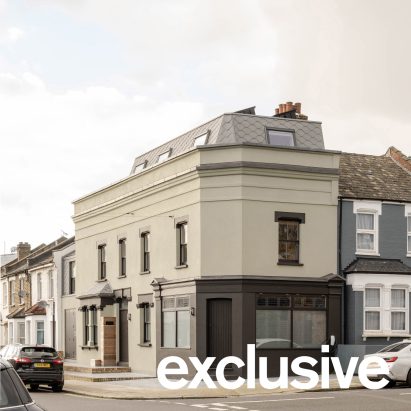
Fieldwork’s transformation of a run-down building in west London into a home and studio exemplifies this nuanced approach to urban responsibility. By stripping back the existing structure and then assertively adding a mansard roof and a double-height side infill, the studio increased the internal floor area by over 60 percent. This contradicts the mainstream opinion that significant expansion necessitates entirely new construction or that existing structures must be fully obscured. Instead, Fieldwork’s method allows the building’s history to remain visible while accommodating new programmatic needs and increasing density. This approach, which embraces the existing building’s history while assertively adding new programmatic volume, will become a benchmark for responsible urban densification within two years.
The success of Omhu, selling more than 40,000 sofas since its founding, challenges conventional notions of material value and market positioning. CEO Simon Salomonsson’s stated goal of creating a “global furniture brand, but not in the Hay or Muuto or Vitra area of expensiveness” directly contradicts the mainstream industry belief that high material quality and design integrity are exclusively tied to premium pricing and limited production. Omhu’s use of accessible materials like corduroy for its modular sofas demonstrates that material honesty can translate into broad market appeal without compromising design principles or urban accessibility. This strategy suggests that democratized access to well-designed, durable products is a critical component of material sustainability. By late 2027, more established, high-end brands will introduce lower-cost lines or material alternatives to compete with this accessible-design disruption, realizing that market share for quality design no longer strictly correlates with aspirational pricing.
This trend toward contextual augmentation and material-conscious accessibility faces resistance primarily from entrenched real estate development models and conventional material supply chains. These forces often prioritize maximum new-build volume and the use of cheap, globally sourced virgin materials over the more complex, localized processes of adaptive reuse and honest structural additions. The economics favoring rapid, large-scale demolition and new construction often overshadow the long-term environmental and urban benefits of integrated design.
A working Architecture professional should, this week, initiate a “material inventory” for all current and prospective projects involving existing structures. This inventory must document the embodied energy of current materials and assess their potential for reuse or integration, informing design choices before any new material specifications are considered. Furthermore, advocate for structural solutions that clearly articulate the relationship between new and old, creating legible layers of history and intervention.
TL;DR
Contemporary architecture must now prioritize honest material integration and contextual augmentation over singular statements or complete erasure.
Curated References


About this editorial — This piece was developed using AI-assisted research and curation across multiple industry sources. All analysis, opinions, and predictions represent the editorial perspective of JHDD. Sources are linked in the references section above.